


11 Everyday Foods That Don’t Belong in the Freezer

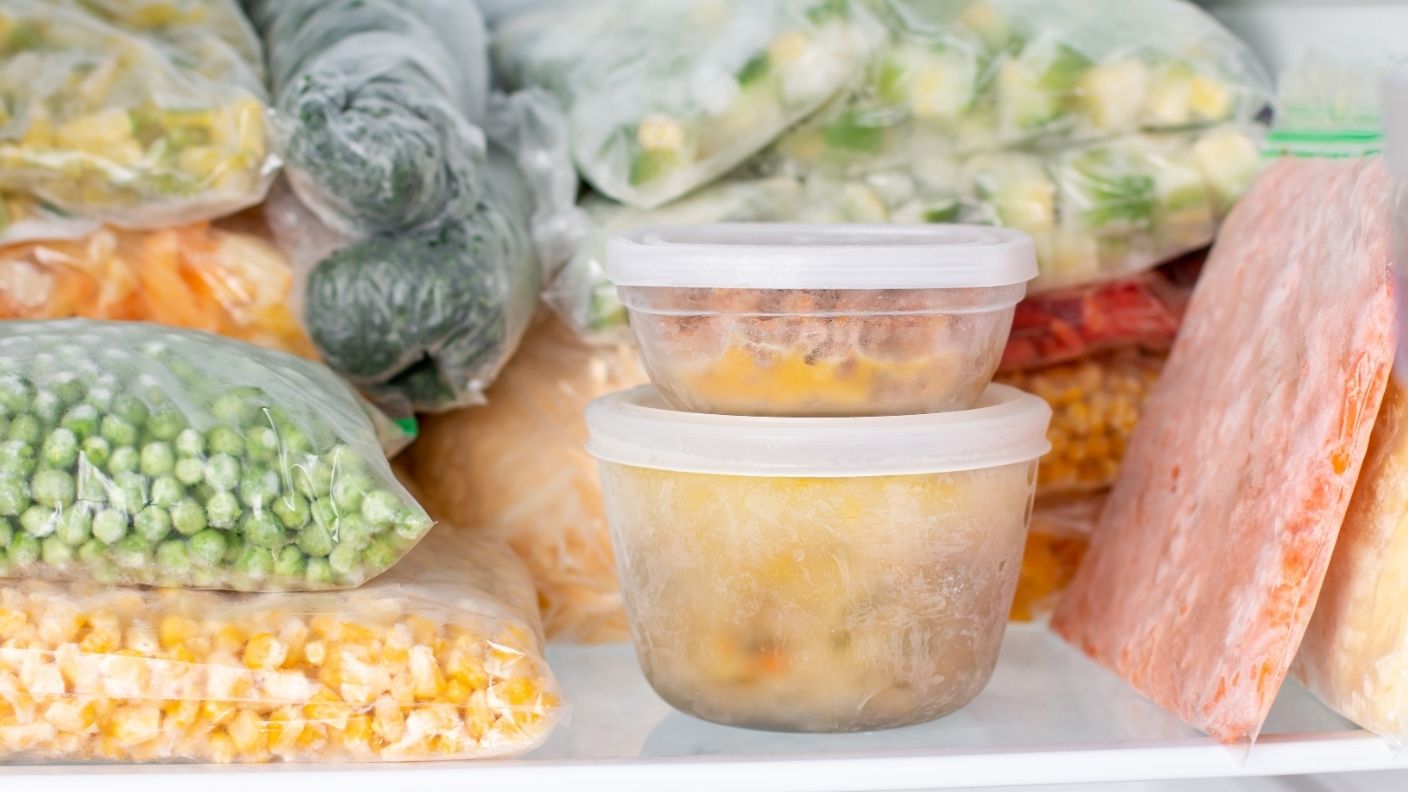

The freezer feels like a safe home for almost anything, but a handful of everyday foods come out worse for the trip. Here’s what to leave out, and why.
1. Lettuce and Other Leafy Greens
Lettuce, spinach, and other leafy greens have a lot of water packed into a delicate structure. Once frozen and thawed, they turn limp and watery instead of staying crisp.
They’re still fine to freeze if you’re planning to blend them into a soup or smoothie. It’s only fresh, crunchy salads where the texture becomes a real problem.
2. Cucumbers, Celery, and Other Watery Vegetables
The same high-water issue applies to cucumbers, celery, and radishes. After thawing, they tend to go limp and develop an off color, aroma, and flavor.
These vegetables are much better suited to being eaten fresh or used quickly. If you have extra, cooking them into a dish rather than freezing them raw is the safer bet.
3. Milk and Cream-Based Sauces
Milk, cream, and cream-based sauces don’t hold together well in the freezer. They tend to separate into a grainy, watery mess once thawed, no matter how carefully they’re stored.
The same goes for cream-based soups. It’s usually better to make these fresh or freeze a non-dairy base and stir the cream in after reheating.
4. Soft Cheeses
Soft cheeses like ricotta, cream cheese, and goat cheese don’t freeze the way harder cheeses do. Freezing and thawing causes them to separate and take on a strange, crumbly texture.
Hard cheeses like Parmesan and cheddar hold up considerably better. Even then, it’s usually best to just buy what you’ll actually use.
5. Mayonnaise and Creamy Dressings
Anything built around an oil-based emulsion tends to fall apart in the freezer. Mayonnaise and creamy dressings turn watery, grainy, or mushy once thawed, which ruins their texture entirely.
That’s also why dishes like chicken salad or egg salad don’t freeze well. The mayo holding them together simply doesn’t survive the process intact.
6. Cooked Pasta
Pasta continues absorbing liquid even after it’s cooked, and freezing makes that worse. Reheated frozen pasta often turns gummy and mushy instead of staying tender.
If you’re meal prepping, it’s better to freeze just the sauce. Cooking fresh pasta when you’re ready to eat takes only a few extra minutes.
7. Fried Foods
The crispy exterior that makes fried food worth eating doesn’t survive a freeze. Once thawed and reheated, it comes out soggy no matter how it’s reheated.
There’s really no workaround here. Fried food is one of those things best enjoyed fresh or not at all.
8. Eggs, Shelled or Hard-Boiled
Whole eggs should never go into the freezer still in their shells. The liquid inside expands as it freezes, which can crack the shell and let bacteria in.
Hard-boiled eggs don’t fare much better, since the whites turn rubbery once frozen. If eggs need to be stored longer term, refrigeration is the safer route.
9. Garlic and Fresh Herbs
Garlic and delicate fresh herbs lose more than texture in the freezer, they lose flavor. Garlic in particular tends to turn strong and noticeably bitter after being frozen and thawed.
Tender herbs like basil and parsley wilt and darken almost immediately. A cool, dry cabinet is a much better long-term home for both.
10. Canned Goods and Carbonated Drinks
Anything sealed in a rigid container is a risk in the freezer. As liquid freezes, it expands, and the USDA specifically warns against freezing canned food, since the can itself can bulge, crack, or burst.
The same goes for a can of soda tossed in to chill quickly. It’s an easy thing to forget about, and the mess left behind is rarely worth the shortcut.
11. Citrus Fruits
Oranges, grapefruits, and other citrus fruits turn soft and mushy after freezing. The texture loss is significant enough that a thawed orange bears little resemblance to a fresh one.
If citrus needs to be preserved long-term, canning or dehydrating works far better. Freezing simply isn’t built for this kind of fruit.
None of this means the freezer isn’t worth using, it just works better for some foods than others. Knowing which items actually hold up makes it a lot easier to avoid a disappointing surprise the next time something gets thawed out.
RELATED ARTICLE: The Frozen Food Nutrition Experts Actually Buy for Themselves
