


Freezing Is Not for All Foods: Some Foods You Should Never Freeze

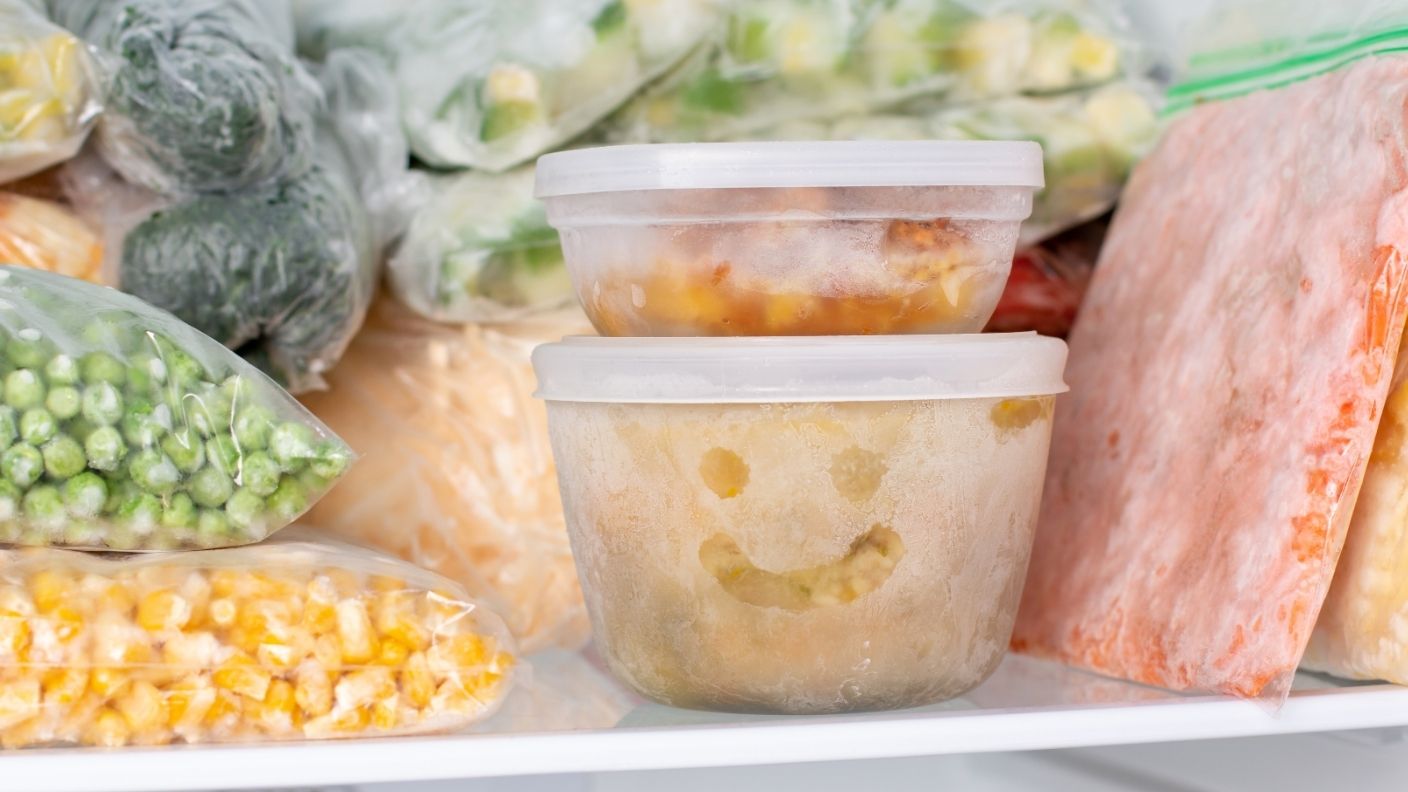

The freezer feels like a cheat code for reducing food waste and saving time, and for a lot of foods, it genuinely is. But not everything comes out of a deep freeze the way it went in, and some foods turn watery, grainy, or downright unpleasant once they’ve been thawed.
Dairy and Creamy Foods Don’t Freeze Well
Milk, cream, and cream-based sauces tend to separate once frozen and thawed, leaving behind a grainy, watery texture instead of the smooth consistency you started with.
Soft cheeses like cream cheese, ricotta, and cottage cheese run into the same problem, since freezing breaks down their structure in a way that’s hard to reverse.
Sour cream, yogurt, and custard are just as prone to curdling in the freezer. Hard cheeses like cheddar and Parmesan are the exception here, since their lower moisture content lets them hold up reasonably well once grated and frozen.
Watery Fruits and Vegetables Turn Mushy
Produce with a high water content simply doesn’t survive the freezing process intact. Lettuce, cucumbers, celery, and watermelon all lose their crisp texture and turn limp and soggy once thawed, which makes them a poor choice for anything you were planning to eat fresh.
The fix isn’t necessarily to avoid the freezer altogether, just to be smart about how you use these ingredients afterward.
Watery fruits and vegetables generally do fine in the freezer if you’re planning to blend them into smoothies or cook them down into soups, since texture matters far less once they’re pureed or simmered.
Cooked Pasta, Rice Dishes, and Fried Foods Lose Their Texture
Cooked pasta tends to turn gummy and mushy after a stay in the freezer, since it continues absorbing moisture even after cooking. If you’re prepping a pasta dish ahead of time, it’s generally better to freeze the sauce on its own and cook the pasta fresh when you’re ready to eat.
Fried foods run into a different but related issue. That crispy exterior everyone loves is essentially impossible to preserve through freezing and reheating, so anything fried tends to come out soggy no matter how carefully it’s stored.
Eggs and Mayonnaise-Based Dishes Don’t Hold Up
Whole eggs in their shells should never go in the freezer, since the liquid inside expands as it freezes and can crack the shell, potentially letting bacteria in. Cooked egg dishes and egg-based sauces like mayonnaise or hollandaise don’t fare much better, since the emulsion breaks down and separates once it’s thawed.
That’s also why dishes like chicken salad or egg salad, which rely heavily on mayonnaise, tend to turn watery and unappealing after freezing.
If you want to preserve eggs long-term, cracking them into a bowl, whisking them, and freezing the mixture in an airtight container works far better than trying to freeze them whole.
The Bottom Line on Freezer Safety
It’s worth separating food safety from food quality here, since they’re not quite the same thing. Food kept consistently at 0°F or below will always remain safe to eat, even if it’s been in the freezer for a long time.
What changes is texture, flavor, and overall quality, not necessarily safety. Knowing which foods actually hold up in the freezer, and which ones are better left in the fridge, is the easiest way to avoid a disappointing surprise the next time you thaw something out.
RELATED ARTICLE: Why This Forgotten Freezer Aisle Staple Is Making a Comeback
