


Why This Forgotten Freezer Aisle Staple Is Making a Comeback

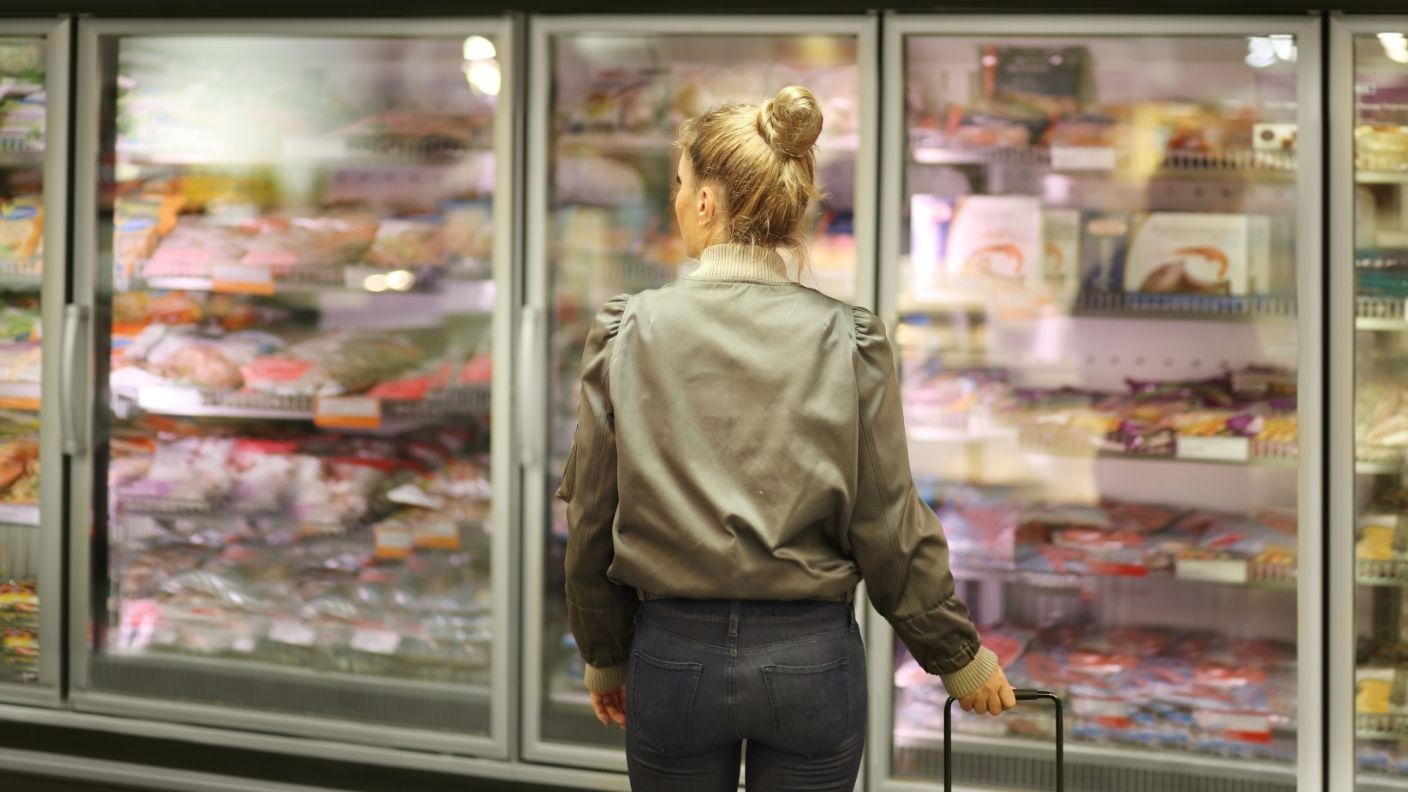

For years, the freezer aisle was the place you rushed past on the way to the fresh produce section, a guilty detour for TV dinners and forgotten peas. But something quietly shifted, and now the frozen vegetable section, once dismissed as the sad, nutritionally inferior cousin of fresh produce, is having a genuine cultural moment.
The science, the economics, and the timing all lined up at once.
The Fresh Produce Myth Got Debunked
Here is the part that surprises most people. Research from the University of Georgia demonstrated that frozen fruits and vegetables frequently retain higher levels of vitamins A and C, as well as folates, compared to fresh produce stored in refrigerators for several days.
The reason comes down to timing. Frozen vegetables are typically picked at peak ripeness and flash-frozen within hours, locking in nutrients at their finest hour, while fresh supermarket produce can sit in supply chains for weeks before landing in your fridge.
What the Studies Actually Say
The nutritional case for frozen is not just anecdotal. One study compared the vitamin content of frozen vegetables with fresh vegetables stored for five days in the refrigerator and found that after five days, the frozen produce was actually more nutritious.
Frozen broccoli, for example, was found to have more riboflavin than fresh broccoli. Even the British Heart Foundation, the American Heart Association, and Harvard Medical School have all weighed in on the side of frozen vegetables as a legitimately healthy choice.
A Generation of Smarter Shoppers Noticed
The frozen vegetable revival did not happen in a vacuum. Research published in the PUSA Journal of Hospitality and Applied Sciences reveals a 34.7% increase in frozen food consumption among millennials over the past year, driven primarily by convenience and rapid meal preparation requirements.
Eight in ten Americans now choose frozen food at least once a week, and nearly half own at least one secondary freezer at home. That is not impulse buying. That is a deliberate pantry strategy.
The Cost of Living Made the Decision Easy
Grocery bills got harder to justify, and the freezer aisle started looking a lot smarter. Frozen vegetables offer a cost-effective solution for consumers facing rising food costs, while also dramatically reducing food waste since they last months rather than days.
Fresh spinach wilts in three days. Frozen spinach sits in your freezer until you actually need it, with most of its nutrients still intact. For a household trying to eat well without spending a fortune, that math is almost impossible to argue with.
The Freezing Technology Got Better
The modern frozen vegetable is not what your grandmother pulled out of a box in 1987. Advanced processes like Individual Quick Freezing and cryogenic flash-freezing ensure that what hits your plate is as close to peak freshness as possible, even after months in cold storage.
Gone are the mushy, flavorless bags of disappointment. The texture, the color, and the taste have all improved dramatically, which is a big part of why people who swore off frozen vegetables a decade ago are quietly restocking their freezers today.
The Wellness World Finally Caught Up
The frozen vegetable comeback also got a significant push from the wellness community. Frozen fruits and vegetables are increasingly popular for smoothies, cooking, and meal prep, with consumers valuing their year-round availability, reduced waste, and consistent quality.
Demand for organic and non-GMO frozen produce is also growing rapidly, reinforcing the category’s health-focused repositioning. The freezer aisle is no longer where nutrition goes to die. It might actually be where it gets preserved best.
RELATED ARTICLE: Fresh Fruit vs Frozen Fruit for Nutrition: Which Is Healthier?
