


What Long Lived Home Cooks Tend to Do Differently at Dinner

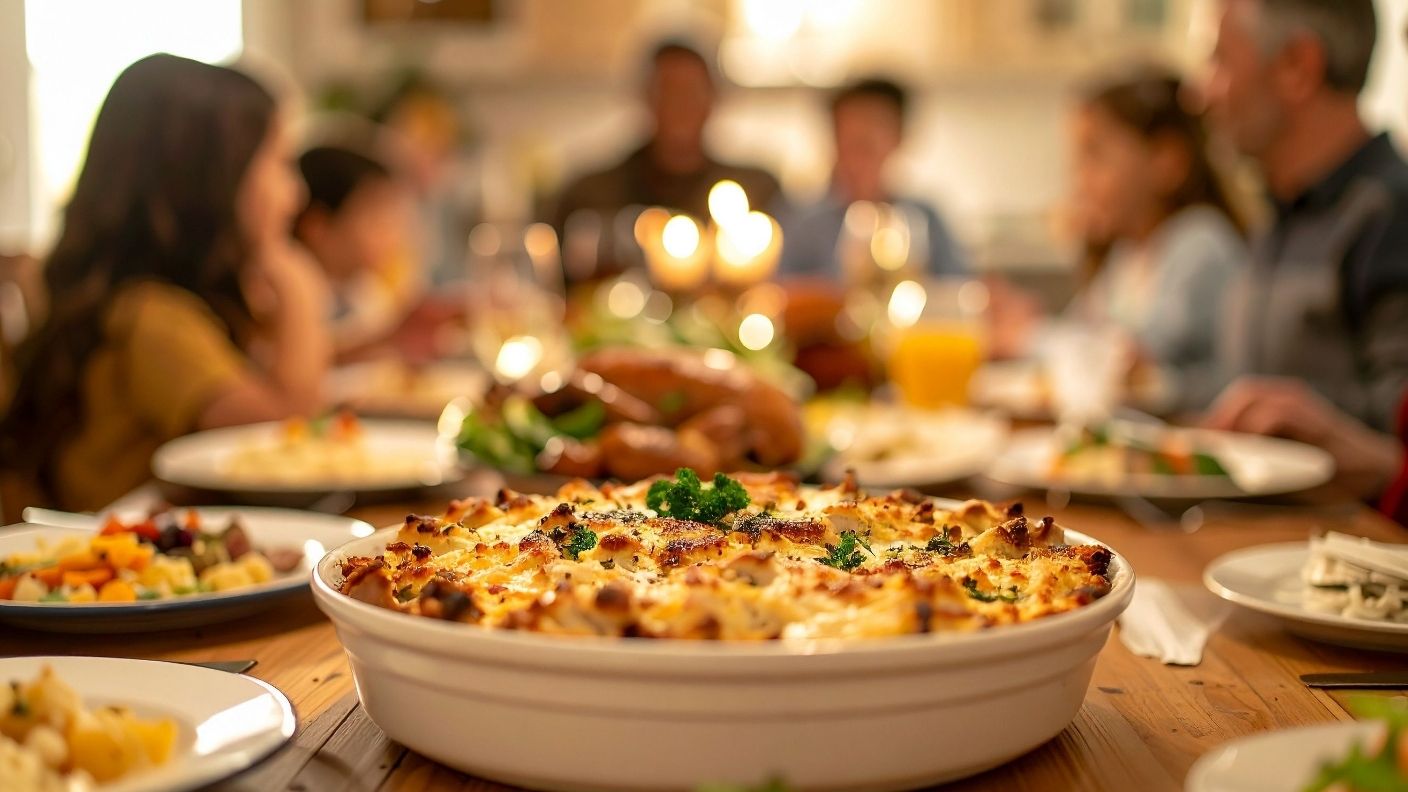

Most longevity advice focuses entirely on what ends up on the plate, protein counts, vegetable servings, the right kind of fat. Researchers studying older adults recently zeroed in on a completely different detail that turned out to matter just as much.
It has nothing to do with the food itself, and everything to do with who is actually at the table. Keep reading to see what the research found.
The Real Factor Has Nothing To Do With The Menu
A recent analysis pooled data from twenty one studies across seven countries, focused specifically on adults sixty and older living in their own communities. Researchers wanted to understand what actually changes, both nutritionally and emotionally, when older adults eat meals alone compared to eating with someone else.
Dinner in particular stood out from the other meals studied. The company at the table, it turns out, mattered more at dinner than at breakfast or lunch.
Eating Alone Carries A Real Emotional Cost
The emotional difference was striking. Eating dinner alone was linked to more than double the risk of depression compared to sharing that same meal with someone else.
That gap held up across all seven countries studied, spanning vastly different cultures and food traditions. Whatever was actually being served seemed to matter less than whether anyone else was sitting at the table to share it.
Shared Meals Also Changed What Ended Up On The Plate
The nutritional differences were just as notable, though not in the direction most people would expect. People who regularly shared dinner with others ate about 110 more calories per day on average, along with more meat, seafood and overall dietary variety compared to those eating solo.
That extra intake is not necessarily a downside for older adults, who often struggle to eat enough protein and calories to maintain muscle and strength as they age. Solo eaters, by comparison, tended to default toward smaller, simplified, single item meals that left more nutritional gaps.
The Pattern Shows Up Across Long Lived Cultures Too
This connection between company and longevity is not a new discovery, it echoes patterns researchers have already noticed in long lived populations around the world.
In places like Sardinia, a small glass of wine shared with friends over dinner is a common daily ritual, one researchers describe as being more about the social, unhurried nature of the meal than the alcohol itself.
Across nearly every centenarian population studied, meals tend to be eaten slowly, shared with others and savored without much distraction. That consistent thread suggests dinner companionship is not a nice bonus, it may be a genuine piece of what keeps people going.
So if dinner has become a solo routine more nights than not, pulling up an extra chair might matter just as much as anything actually on the menu. Sometimes the most important ingredient in a long, healthy life is simply having someone else at the table.
RELATED ARTICLE: The Dinner Table Habit That Can Change How Kids Feel About Vegetables
