


The Dinner Table Habit That Can Change How Kids Feel About Vegetables

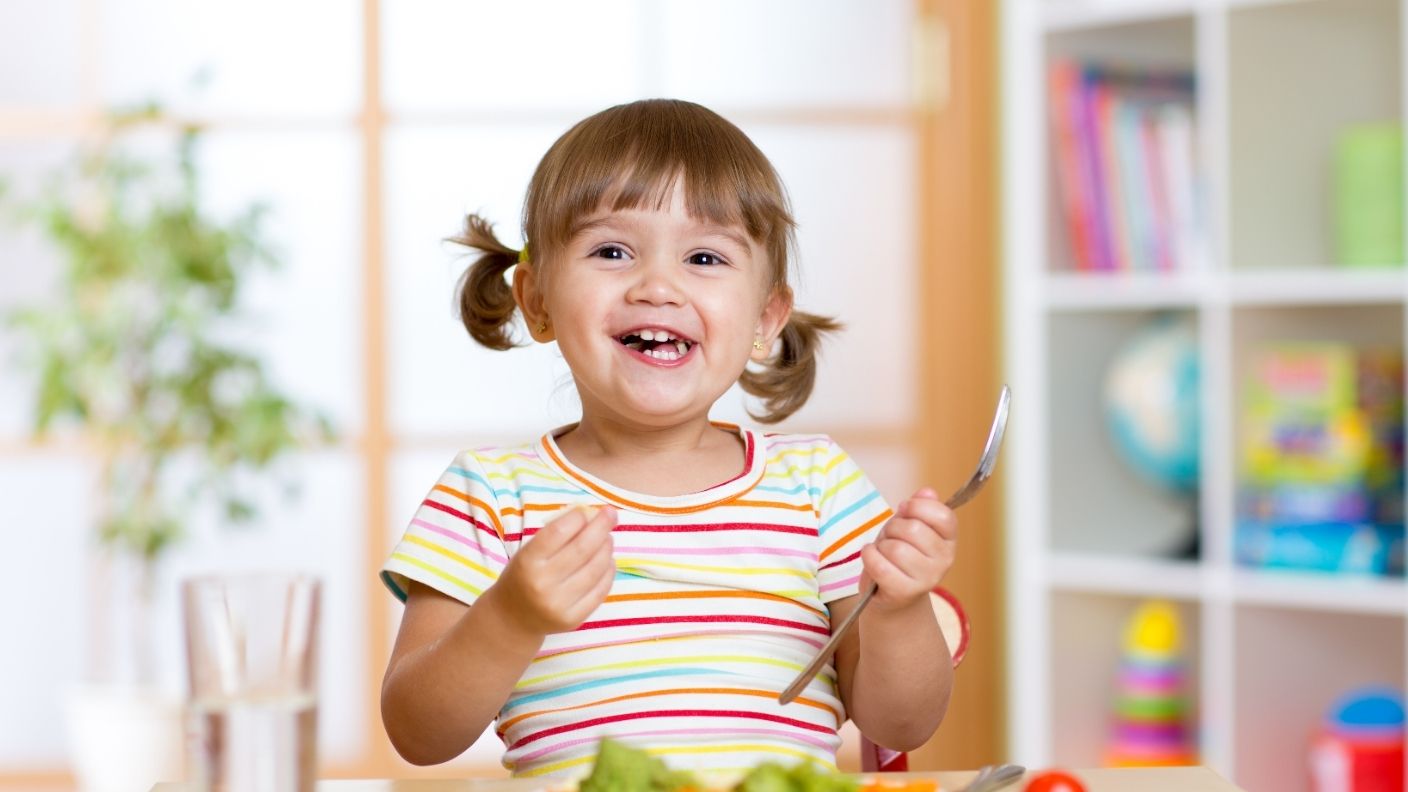

Parents spend a lot of energy trying to make vegetables appealing, hiding them in sauces, dressing them up with cheese, turning them into fun shapes. Researchers have found something much simpler happening at the table that shapes how kids feel about vegetables before any of that even matters.
It has almost nothing to do with the recipe and everything to do with what kids are actually watching during dinner. Keep reading to see what researchers discovered.
Kids Are Watching Faces, Not Just Plates
Kids learn a lot about food simply by watching the people around them eat. Researchers call this social modeling, one of the most powerful influences on how people decide what to eat and how much they actually want it.
That influence does not require any direct teaching or instruction at all. Kids absorb attitudes toward food just from being present at the table, whether or not anyone intends to be teaching them anything.
One Study Found Facial Expressions Do The Teaching
A 2024 study looked specifically at how facial expressions while eating shape the way onlookers feel about a food. Researchers found that watching someone show visible disgust while eating vegetables made viewers less interested in eating those same vegetables themselves.
The researchers noted that this effect likely applies just as strongly to children, who already tend to approach new vegetables with more hesitation than adults. A parent’s grimace at broccoli, even an unconscious one, can end up teaching a child to feel the same way about it.
It Works The Same Way In The Other Direction Too
The same mechanism works in reverse when the reaction is positive instead. Studies have found that children whose parents modeled eating vegetables at meals were significantly more likely to meet daily fruit and vegetable recommendations themselves.
Seeing a parent genuinely enjoy something at the table appears to carry real weight over time. That effect builds gradually, through repeated dinners, rather than showing up after just one meal.
The Fix Does Not Require Faking Enthusiasm
None of this means parents need to perform excitement over every vegetable at every meal. Simply eating real portions of vegetables themselves, without exaggerated reactions in either direction, appears to be enough to shift a child’s sense of what is normal at the table.
The goal is consistency rather than a performance. Over time, kids tend to absorb the calm, ordinary way vegetables get treated at home, and that becomes their own baseline too.
So before reaching for another new recipe to win over a picky eater, it might be worth paying attention to your own face at the table. Sometimes the most effective ingredient in getting kids to like vegetables is simply how everyone around them treats it.
RELATED ARTICLE: 7 Best Vegetables for Longevity
