


The Hidden Sugar Source Lurking in Foods Most People Think Are Savory

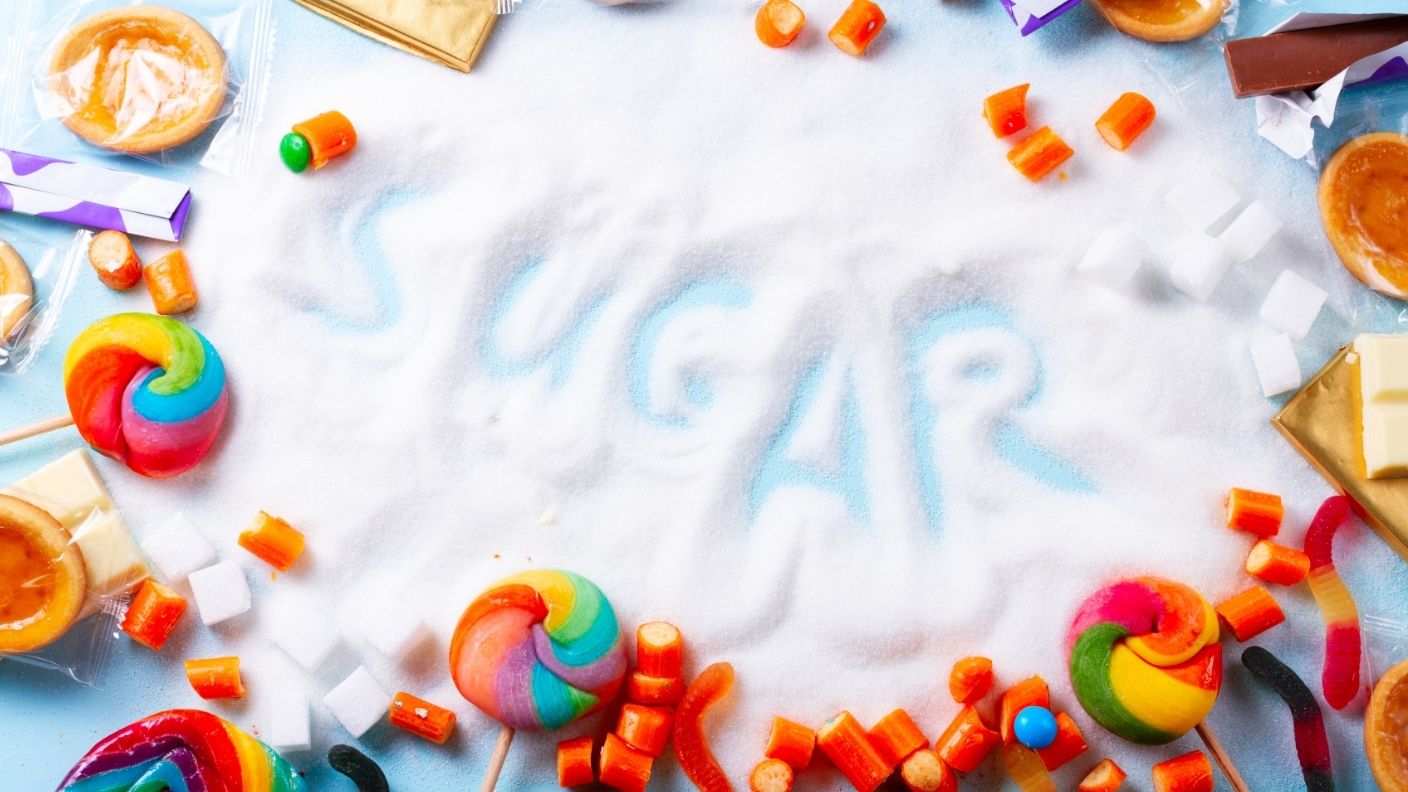

Plenty of people feel good about skipping dessert, cutting soda and steering clear of anything obviously sweet. Meanwhile, sugar is sneaking onto the plate through foods that never seem like dessert at all.
One especially sneaky source shows up on something most people consider the healthy part of the meal. Keep reading to see where it is hiding and how much can actually add up.
The Biggest Offender Sits Right On Top Of Salad
Salad dressing might be the single biggest surprise on this list. Some packaged dressings contain up to three teaspoons of sugar in a single serving, roughly the same amount found in a donut.
That number is easy to miss since dressing gets poured on top of vegetables, something that feels inherently virtuous. A salad loaded with the wrong dressing can end up carrying more sugar than the cookie sitting in the break room.
It Is Not Just Dressing Either
Dressing is far from the only savory condiment hiding sugar in plain sight. Ketchup, barbecue sauce and spaghetti sauce all commonly contain added sugar, even though none of them taste distinctly sweet on their own.
Manufacturers add sugar to these products for flavor balance, texture and browning, not necessarily to make them taste like dessert. That is exactly what makes it easy to overlook, since the sugar does its job without the sweetness ever really registering.
Even Meat And Deli Items Are Not Immune
Sugar even shows up in foods that seem about as far from dessert as possible. Honey glazed ham can carry several grams of sugar per serving, and even plain deli turkey or bacon can contain small amounts used for curing and flavor.
None of those individual amounts sound dramatic on their own. Stacked across a full sandwich with dressing, sauce and cured meat though, the sugar from several small sources adds up fast.
Spotting It Takes More Than A Glance At The Label
Catching hidden sugar requires looking past the word sugar itself on an ingredient list. Sweeteners often show up under different names like corn syrup or dextrose, which can make a product look sugar free at a quick glance.
Paying attention to the added sugars line on a nutrition label, along with an accurate serving size, gives a much clearer picture. A tablespoon actually measured out is often a lot more revealing than eyeballing a pour straight from the bottle.
So the next time a salad or sandwich feels like the healthy choice by default, it might be worth flipping over the bottle first. Sometimes the sneakiest sugar in the kitchen is not hiding in dessert at all, it is sitting right there in something savory.
RELATED ARTICLE: Why Does White Sugar Have Such A Bad Reputation?
