


Why Does White Sugar Have Such A Bad Reputation?

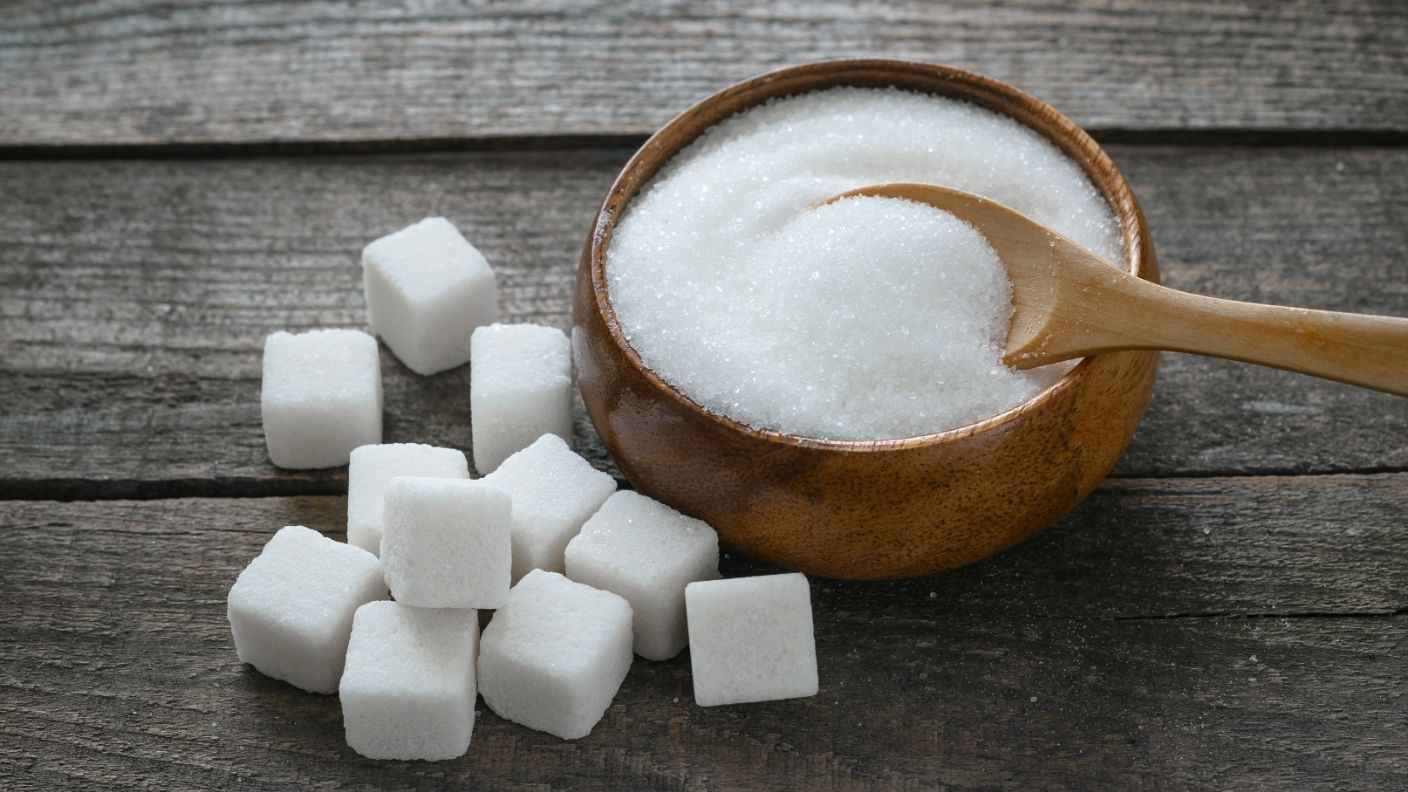

Sugar sits in almost everything we eat, yet somehow it has become the most feared word on a nutrition label. Scoop a spoonful into your coffee and you might feel a tiny pang of guilt, even if you cannot quite explain why.
There is actually a pretty fascinating explanation for how white sugar became public enemy number one in the food world.
It Used To Be Fat’s Turn In The Spotlight
For decades, saturated fat was the villain everyone pointed fingers at when talking about weight gain and heart disease. Food companies leaned into that fear hard, slapping low fat labels on everything while quietly cranking up the sugar to keep flavor intact.
Eventually researchers and health experts started shifting their attention, and refined sugar found itself under a much brighter and less flattering spotlight. That shift helped explain why added sugar eventually earned its own dedicated line on nutrition labels.
The Body Treats It Differently Than You Might Think
White sugar is considered an empty calorie food, meaning it delivers energy without any real nutritional payoff like fiber, vitamins or minerals. That matters because your body processes it fast, causing quick spikes in blood sugar that can leave you crashing not long after.
Excess intake has also been tied to insulin resistance, weight gain and even a temporary dip in immune function, according to research referenced by functional health expert Chris Kresser. None of that sounds particularly appetizing next to a donut.
Your Heart Might Be Paying More Attention Than You Realize
Here is where things get a little more serious. A large study following more than 110,000 people for nearly a decade found that higher added sugar intake was linked to greater risk of heart disease and stroke, with Harvard Health reporting that the more sugar consumed, the higher the risk climbed.
Sugar can also quietly raise blood pressure and fuel chronic inflammation, two things your heart really does not appreciate over time. The tricky part is that sugar hides in foods that do not even taste sweet, like bread, ketchup and salad dressing.
So the next time you see white sugar getting dragged through the mud, know that the reputation is not entirely undeserved. It is not about banning it forever, it is simply about noticing how much sneaks into your day without you ever reaching for the sugar bowl.
RELATED ARTICLE: 3 Science-Backed Reasons to Reduce Your Added Sugar Intake
