


How Hydration Supports Healthy Aging

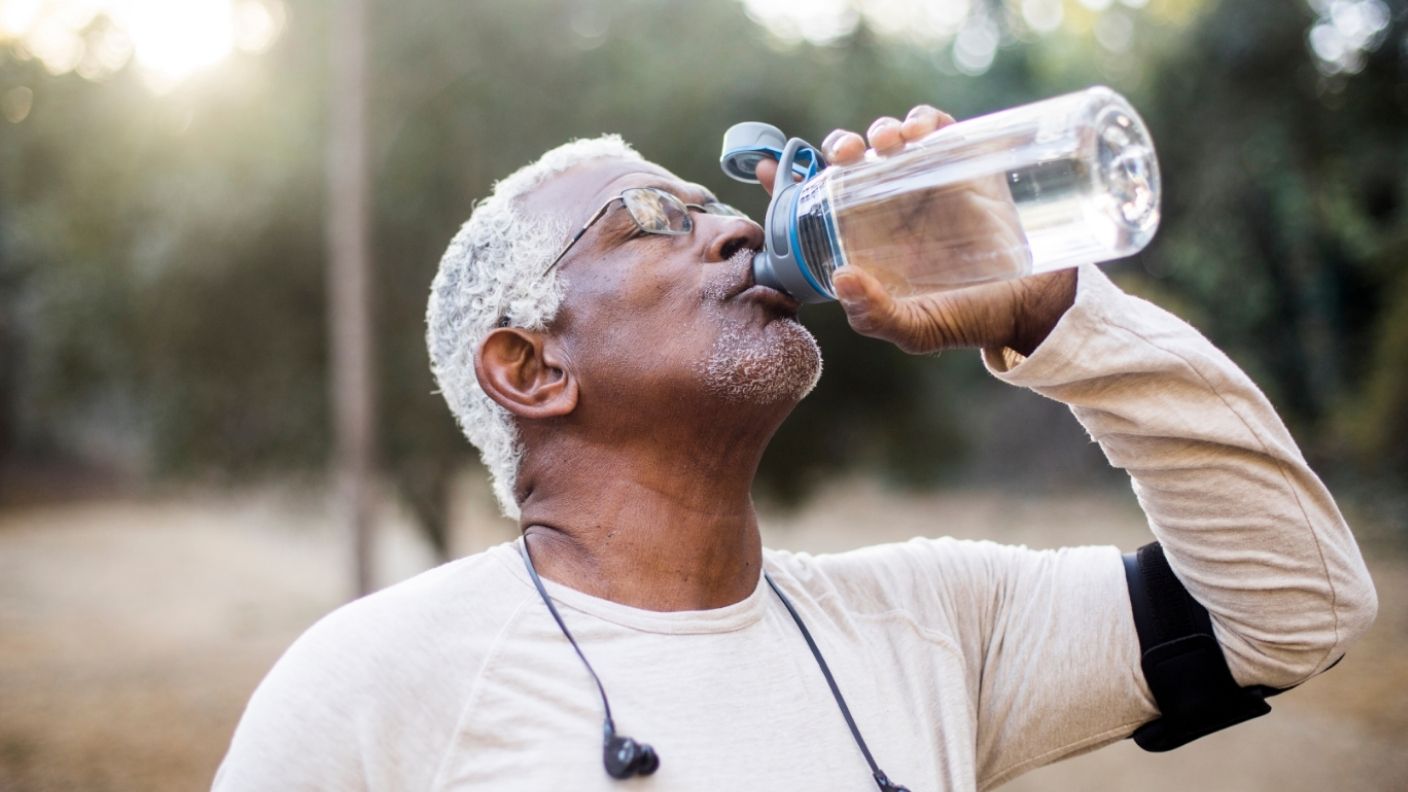

Water rarely gets the same attention as diet or exercise in conversations about aging well, yet it may be doing just as much work behind the scenes. Researchers have spent the past few years connecting hydration to outcomes far beyond simply feeling thirsty.
Older adults are also considerably more likely to fall short on fluid intake than younger people, often without even realizing it. That gap has real consequences that go well beyond a dry mouth.
Some of the newest research has even tied hydration directly to how fast the body ages at a cellular level. Here is how staying hydrated actually supports healthy aging, and why it becomes harder to get right over time.
Why Staying Hydrated Gets Harder With Age
The body’s thirst signal becomes measurably less reliable with age, meaning older adults can already be dehydrated before they ever feel thirsty. That blunted signal is even more pronounced in people with memory or judgment impairments.
Kidney function also naturally declines over time, making it harder for the body to conserve water the way it once did, according to UCLA Health. Declining muscle mass compounds the problem too, since muscle holds water and there is simply less of it to store fluid as people age.
A Surprising Link To Biological Aging Itself
One large study following more than 11,000 adults for 25 years found that people with higher normal blood sodium levels, a marker of lower hydration, had up to 63 percent higher odds of developing chronic disease than those with more moderate levels. That finding has fueled a growing scientific interest in hydration as a genuine driver of biological aging, not just a comfort issue.
Roughly a quarter to a third of adults in the United States and Europe drink less than 1.5 liters of fluid a day, well under general recommendations. Older adults specifically were the group least likely to meet adequate intake across nearly every study reviewed.
What Dehydration Actually Costs Older Adults
The downstream effects of chronic low level dehydration in older adults are considerably more serious than most people assume. Studies link it to higher rates of frailty, irregular heartbeat, mini strokes, oral health problems and slower recovery after surgery, according to Healthspan.
Dehydrated older adults also tend to need longer hospital stays than those who stay well hydrated. Even mild dehydration has been linked to worsened dry eye disease, a common and uncomfortable condition among older women specifically.
Making It Easier To Stay Ahead Of It
Because thirst becomes such an unreliable signal with age, experts generally recommend drinking on a schedule rather than waiting to feel thirsty. Foods with high water content, like soups, fruit and vegetables, can meaningfully add to daily fluid intake alongside plain water.
Simple reminders, whether a phone alarm or a marked water bottle, have shown real promise in a mobile hydration tracking study currently underway with older adults, according to a trial listed on ClinicalTrials.gov. Small, consistent habits appear to matter far more here than any single dramatic change.
None of this means older adults need to obsess over ounces or carry a jug of water everywhere. It just means treating hydration as seriously as diet or exercise, since the research increasingly suggests it plays just as real a role in how well the body ages.
RELATED ARTICLE: #1 Bedtime Mistake That May Be Accelerating Aging and Hurting Your Health
