


#1 Bedtime Mistake That May Be Accelerating Aging and Hurting Your Health

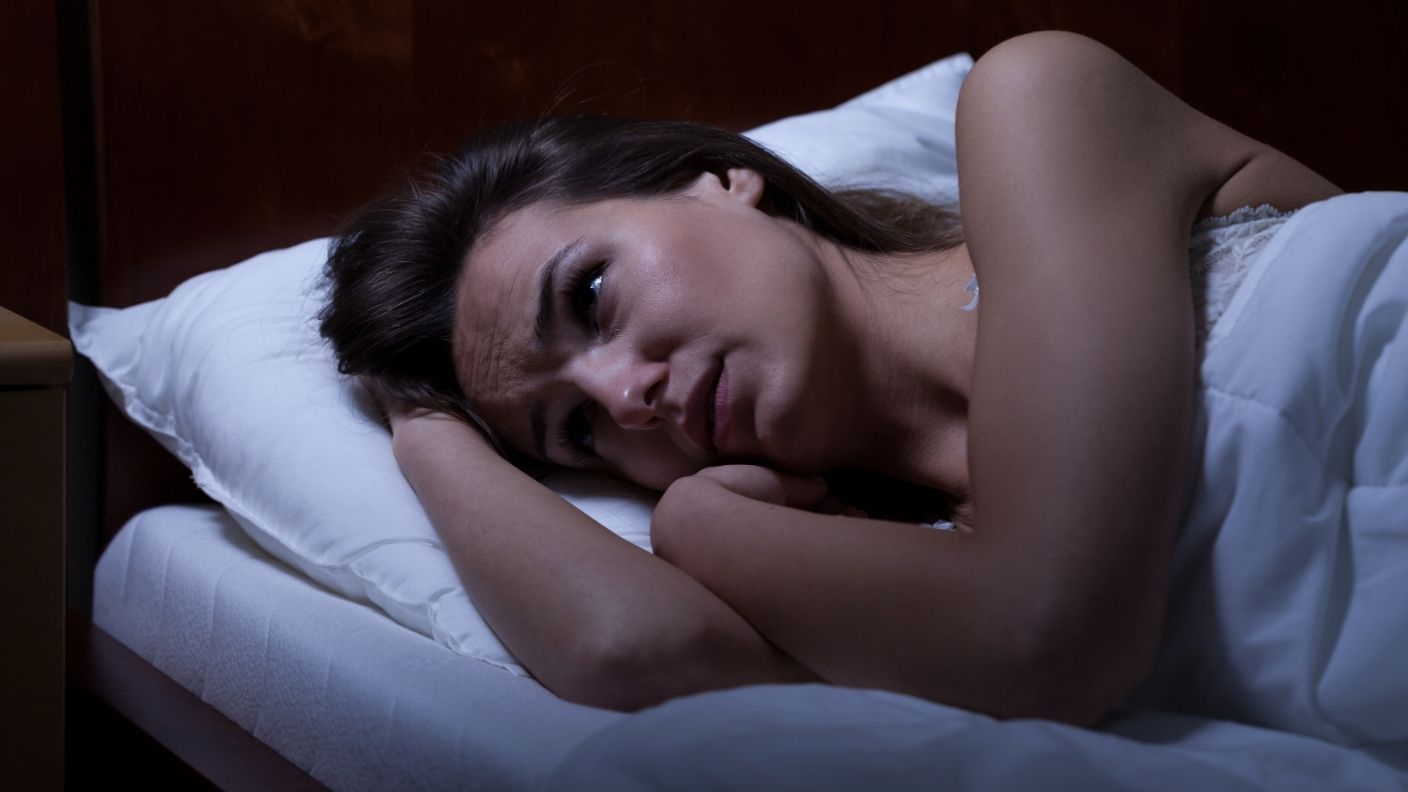

You finished dinner hours ago, but now you’re standing in front of the open fridge at ten o’clock, reaching for leftovers, chips, or something sweet. It feels totally harmless, maybe even comforting.
But that one nightly ritual could be quietly working against everything your body is trying to do while you sleep, and the effects go much further than your waistline.
The Habit Millions Do Without Thinking
When you eat late at night, you’re going against your body’s circadian rhythm. Your body is designed to be more insulin-sensitive in the morning, fueling movement and activity throughout the day.
But insulin resistance kicks up at night, meaning those extra calories from your late-night meal or snack are stored as fat while you sleep instead of being burned.
What It Does to Your Skin
Here’s the part that goes largely unnoticed. Poor sleep quality disrupts collagen production and cellular turnover, leading to faster aging. And eating a heavy meal right before bed is one of the fastest ways to wreck your sleep.
Research published in 2025 confirmed that sleep deprivation accelerates skin aging and reduces collagen production, the very protein responsible for keeping skin firm and youthful.
The Foods Making It Worse
Not all late-night snacks are created equal, and some are genuinely aging your face faster. Chocolate before bed is a recipe for poor sleep and weight gain, thanks to its high sugar content and the hit of caffeine from the cacao.
Spicy foods can trigger heartburn or indigestion, especially when you lie down shortly after eating, disrupting the deep sleep your skin desperately needs to repair itself overnight.
The Hormone Chain Reaction
Late-night eating also throws your hormones into chaos. Disrupting your body’s circadian rhythm with irregular meal timing can make it harder for melatonin and cortisol to stay in balance, which may affect energy, mood, and metabolism over time.
Chronic sleep deprivation increases cortisol, which accelerates skin aging, and it all starts with what you put in your mouth after dark.
Smarter Swaps Before Lights Out
If hunger genuinely strikes, the fix is simpler than you think. Sleep-friendly options include tryptophan-rich foods like turkey and oats, magnesium-rich foods like almonds and spinach, and fruits like kiwi.
Experts recommend eating up to two hours before bedtime to avoid negative effects on both sleep quality and overall health.
Skipping the late-night kitchen raid might not feel like a beauty move, but for your skin, your sleep, and your long-term health, putting the snacks away early could be one of the most quietly powerful decisions you make all day.
RELATED ARTICLE: Magnesium vs Melatonin for Sleep—What Women Are Trying More Right Now
