


The Truth About Energy Drinks Nobody Wants to Hear

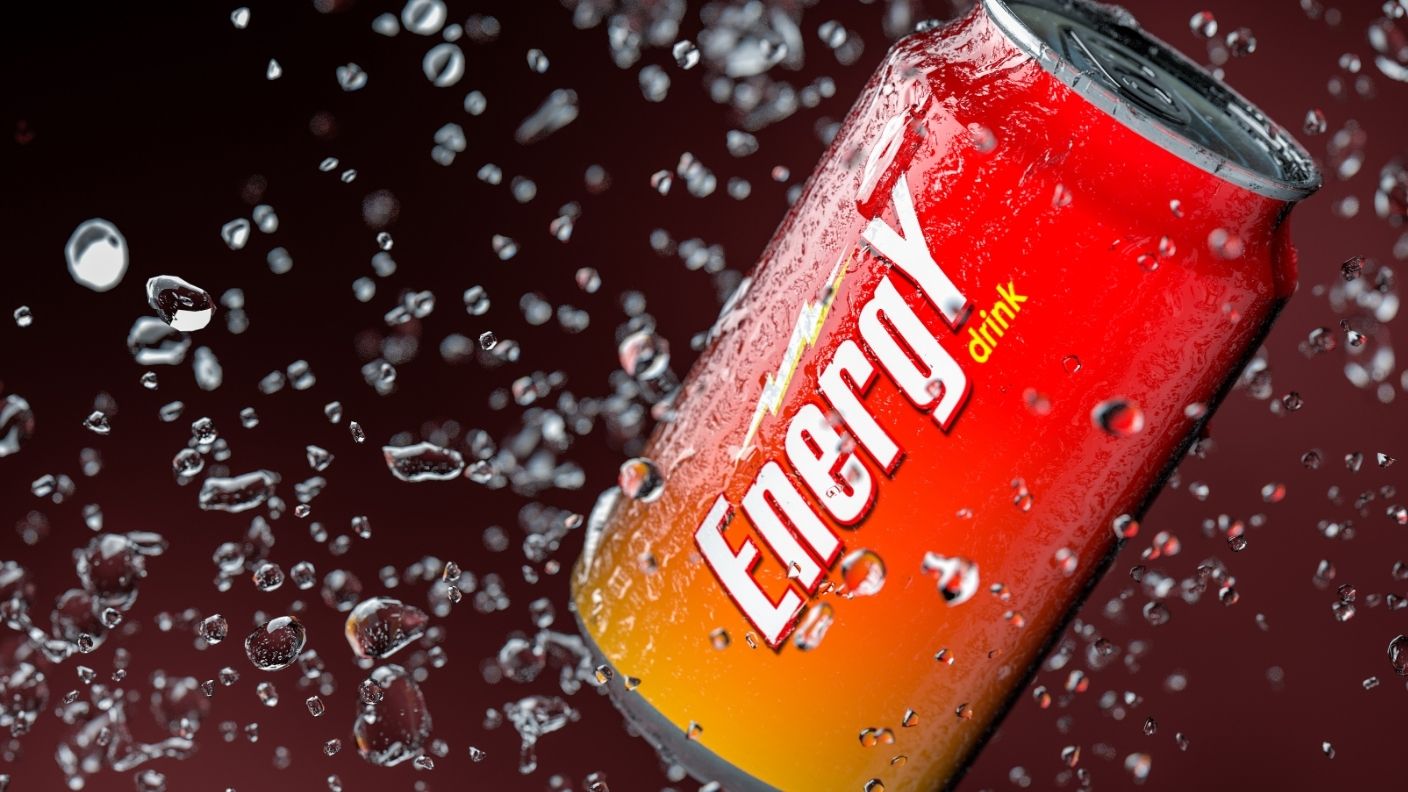

Energy drinks have become as normal a part of daily life as coffee, grabbed from gas station coolers and vending machines without a second thought. The bright colors and bold marketing make them feel almost harmless.
Doctors and researchers who actually study these products describe something considerably less reassuring. The gap between how energy drinks are marketed and how they are actually regulated is bigger than most people realize.
None of this means an occasional can is a medical emergency waiting to happen. Here is the less comfortable truth about energy drinks that rarely makes it onto the label.
They Are Barely Regulated At All
Energy drinks are classified by the FDA as dietary supplements rather than food or drugs, according to Mayo Clinic. That classification means they skip the kind of rigorous review process required for medication, leaving manufacturers largely responsible for policing their own safety and labeling claims.
A brand can call its product healthier without needing real scientific evidence to back that claim up. Ingredient amounts, especially caffeine, can also vary significantly from can to can even within otherwise similar products.
What They Actually Do To Your Heart
“Even if you’re young and otherwise healthy, it can push your heart rate” into dangerously high levels, physician Amir Babi has explained, according to WebMD. Caffeine and other stimulants act directly on the heart’s electrical system, sometimes triggering irregular rhythms known as arrhythmia.
A 2021 study testing 17 popular energy drink brands found that human heart cells grown in a lab showed an increased beat rate after exposure to several of them, according to Cardiovascular Business. Researchers involved in the study specifically called for more oversight given how widely available these drinks are to every age group.
The Numbers Getting Harder To Ignore
Pediatric exposure cases involving energy drinks rose by more than 24 percent between 2022 and 2023 alone, according to Harvard Health. The vast majority of those cases were unintentional, meaning kids often did not even realize how much caffeine they were consuming.
Emergency room visits tied to caffeine overdose in middle schoolers more than doubled between 2017 and 2023. The FDA has also specifically warned that mixing caffeine into alcoholic beverages counts as an unsafe additive, since the stimulant effect can mask intoxication and encourage riskier drinking.
None of this means energy drinks need to disappear from gas station shelves entirely. It just means the can promising focus and endless energy deserves the same scrutiny most people already give to an actual medication, read the label, know the dose, and understand exactly what oversight is missing.
RELATED ARTICLE: The Dirty Truth About “Pre-Washed” Bagged Lettuce
