


Fasting vs Protein-First Breakfast—Why More People Are Picking a Side

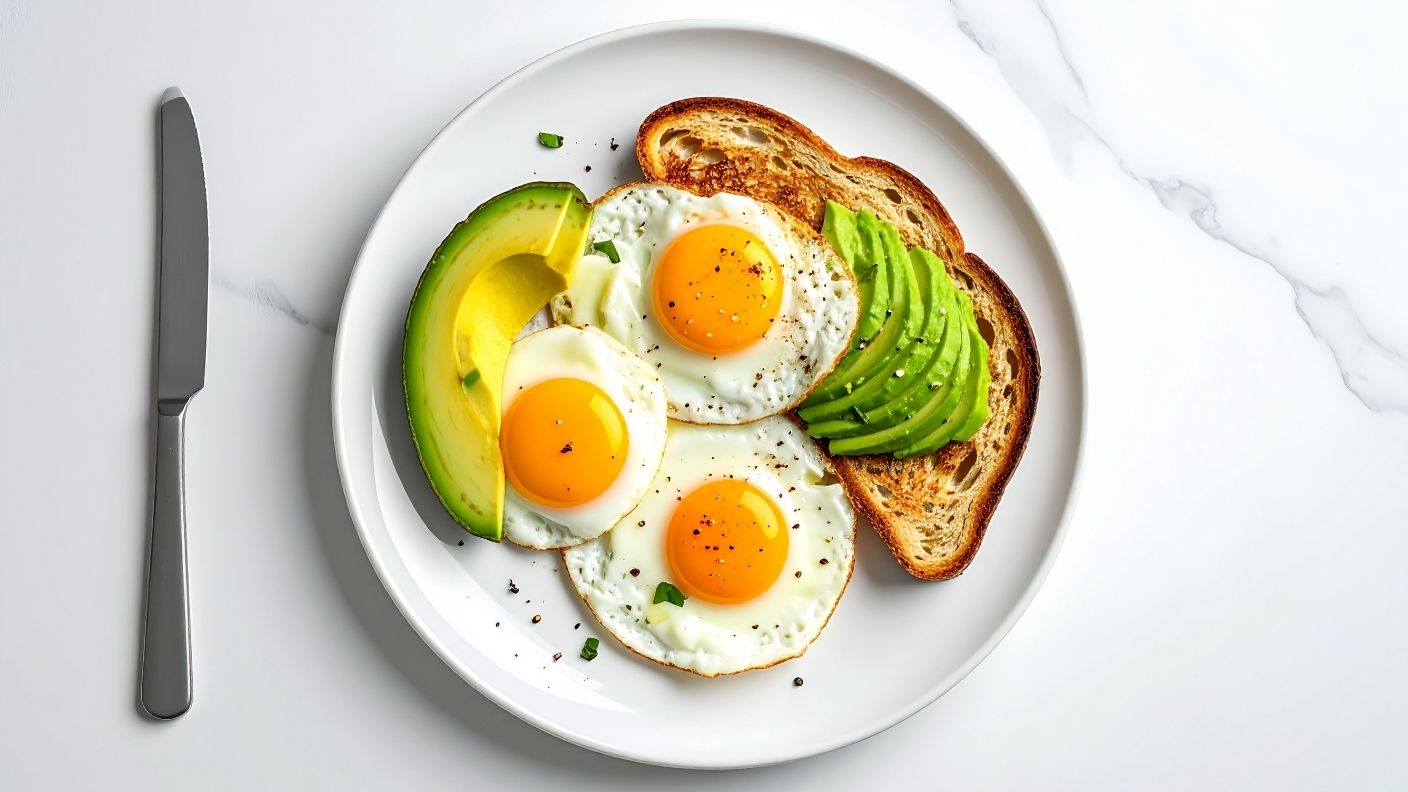

A few years ago, most people just ate breakfast without thinking too much about it. Now there are two firmly established camps, people who skip it entirely in favor of fasting, and people who argue that a protein-heavy plate first thing in the morning is non-negotiable.
The debate has spilled off TikTok and into actual research labs, and the science is genuinely interesting enough to make you rethink whatever you are currently doing.
The Case for Fasting
The appeal of intermittent fasting, particularly the 16:8 method where eating is limited to an eight-hour window, is rooted in some solid biology. Research from Mass General Brigham explains that when the body runs out of glucose during a fasting window, it switches to burning fatty acids for fuel, a metabolic shift that makes fat loss more efficient.
Beyond weight, a 2024 analysis published in Frontiers in Nutrition found that all forms of intermittent fasting showed measurable improvements in glucose control and insulin sensitivity compared to a standard diet, with results across 13 randomized trials involving 867 patients.
Why People Are Waking Up to Protein Instead
On the other side of the debate, the protein-first camp has its own growing body of evidence.
A scoping review published in Nutrition Reviews in January 2025 found that breakfast is consistently the meal with the lowest protein intake across all age groups, despite being the window where that protein may matter most.
A randomized controlled trial found that supplementing protein specifically at breakfast, rather than at dinner or lunch, led to significantly greater increases in muscle mass and handgrip strength in older adults. The timing, not just the total amount, turned out to matter.
The Blood Sugar Argument
One of the most compelling reasons people are reaching for eggs or Greek yogurt before anything else is what protein does to blood sugar.
Consuming protein first slows gastric emptying and delays carbohydrate absorption, leading to a more gradual rise in blood glucose rather than the sharp spike that follows a carb-heavy morning.
Morning is also a time of high insulin sensitivity, meaning nutrients consumed early are utilized more efficiently by the body, which is a significant advantage that the fasting camp forfeits by pushing the first meal to noon.
The Muscle Loss Question
This is where the debate gets most heated, and where the science gets genuinely complicated. A concern raised in research on women around menopause is that restricted eating windows can limit total daily protein intake, which is particularly problematic given that muscle loss accelerates significantly with hormonal changes.
However, a 2024 randomized controlled trial in Clinical Nutrition found that when protein intake was matched on fasting and non-fasting days, intermittent fasting did not significantly impair muscle protein synthesis rates.
The key word being matched, which most people doing casual 16:8 are not actually doing.
What Circadian Science Adds
A growing field of research is suggesting the timing of food has biological consequences that go beyond simple calorie math.
Stanford researchers note that the circadian system anticipates food intake at certain times of day, synchronizing gut activity in response, which means pushing breakfast to the afternoon may work against the body’s natural rhythm even when overall calories remain the same.
A 2025 study published in Nature Medicine found that an earlier eating window, including a more substantial breakfast, produced greater reductions in abdominal fat and better blood sugar regulation than eating later in the day.
The honest answer is that both approaches can work, but the version of fasting that quietly starves the body of protein by noon while consuming mostly carbohydrates later is probably not what the research intended.
Whether you eat or skip breakfast, the protein still needs to get in somewhere, and the evidence increasingly suggests that sooner is better than later.
RELATED ARTICLE: Why This “Old School” Breakfast Is Suddenly Trending Again
