


9 Foods That Look Healthy Until You Check the Serving Size


Some foods earn their healthy reputation fairly. They’re packed with nutrients, made from wholesome ingredients, and recommended by dietitians all the time.
The catch is that the nutrition label tells only part of the story. The numbers on the back are based on a specific portion, and that portion is often far smaller than what ends up in the bowl, on the toast, or in your hand.
Granola
Granola looks like the picture of a healthy breakfast, full of oats, nuts, and seeds. But many brands base their nutrition facts on a serving of just a quarter to half a cup.
Most people pour much more than that into a bowl. Because granola is dense and often coated in honey, syrup, and oil, a typical heaping portion can easily reach several hundred calories before any milk or yogurt goes in.
Peanut Butter
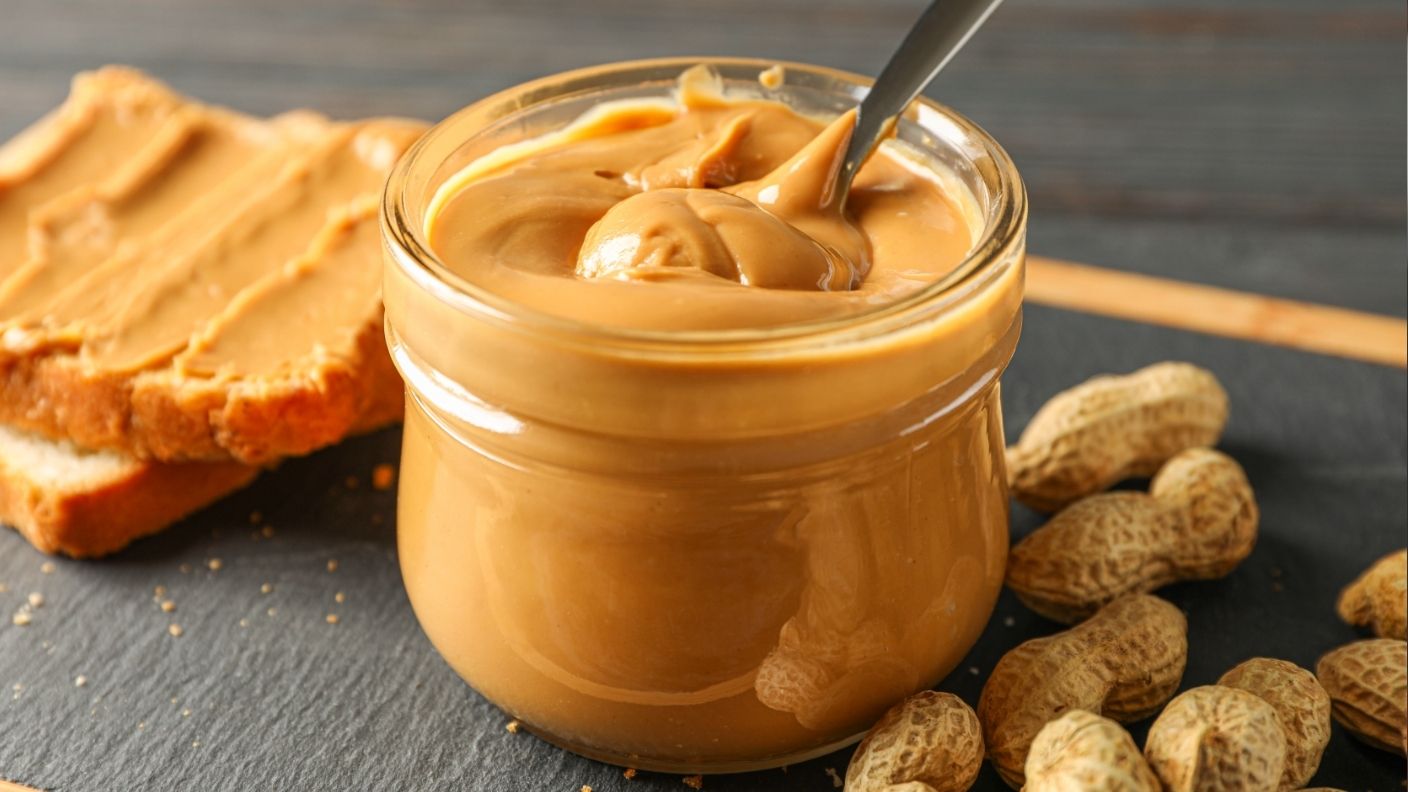
Natural peanut butter is a great source of protein and healthy fats. The standard serving is two tablespoons, which comes to roughly 190 calories.
A casual scoop with a spoon or a thick layer spread across toast often goes well past that. Measuring it out once is a quick way to see how much you’re really using.
Hummus
Hummus made from chickpeas, tahini, and olive oil is a nutritious dip loaded with fiber and plant protein. Its label serving, though, is usually just two tablespoons.
That’s a small dollop compared to how most people eat it with pita chips or vegetables. A few generous dips from the tub can add up to several servings without anyone noticing.
Avocado
Avocados are rich in heart-healthy fats, fiber, and potassium. But a standard serving is only about a third of a medium avocado.
Many people eat a whole one on toast or in a salad. That’s still a nutritious choice, but it delivers about three times the calories listed for a single serving.
Olive Oil
Extra-virgin olive oil is one of the most praised fats in the Mediterranean diet. A single tablespoon contains around 120 calories.
Drizzling straight from the bottle over salads or roasted vegetables makes it easy to pour two or three times that amount. Using a measuring spoon or an oil sprayer helps keep portions in check.
Dark Chocolate
Dark chocolate with a high cocoa percentage offers antioxidants and less sugar than milk chocolate. A typical serving, however, is about one ounce, often just a few squares from the bar.
Breaking off “a little piece” several times in a row can quickly turn into half a bar or more. Pre-portioning squares into a small dish makes it easier to enjoy without overdoing it.
Salad Dressing
A big salad seems like the healthiest option on any table, but the dressing can change that fast. Most labels list a serving as two tablespoons, which is less than many people use.
Creamy dressings like ranch and Caesar often carry well over 100 calories per serving. Serving dressing on the side and dipping your fork before each bite can cut the amount significantly.
Bottled Green Juice
Cold-pressed green juices look virtuous with their bright color and vegetable-heavy labels. Some bottles still list nutrition facts for only part of the bottle, even though most people drink the whole thing.
Many green juices also include apple, pineapple, or other fruit for sweetness, which bumps up the sugar. Checking the full-bottle numbers and choosing options that are mostly vegetables makes a big difference.
Cheese
Cheese provides protein and calcium, and many people snack on it thinking it’s a light choice. A standard serving is one ounce, roughly the size of a pair of dice.
Slicing straight from a block or grabbing a handful of shreds can easily double or triple that portion. Pre-cut cheese sticks or measured portions make it easier to enjoy without losing track.
RELATED ARTICLE: 7 Foods That Seem Healthy But May Not Be As Good As You Think
