


7 Foods That Seem Healthy But May Not Be As Good As You Think


Grocery aisles are full of foods wearing a health halo they didn’t necessarily earn. A green package, a claim in bold letters, or just a general reputation is often enough to make something feel like the responsible choice without anyone checking the actual numbers.
A handful of everyday items lean especially hard on that reputation. Here’s where the gap between image and reality tends to show up most.
Dried Fruit
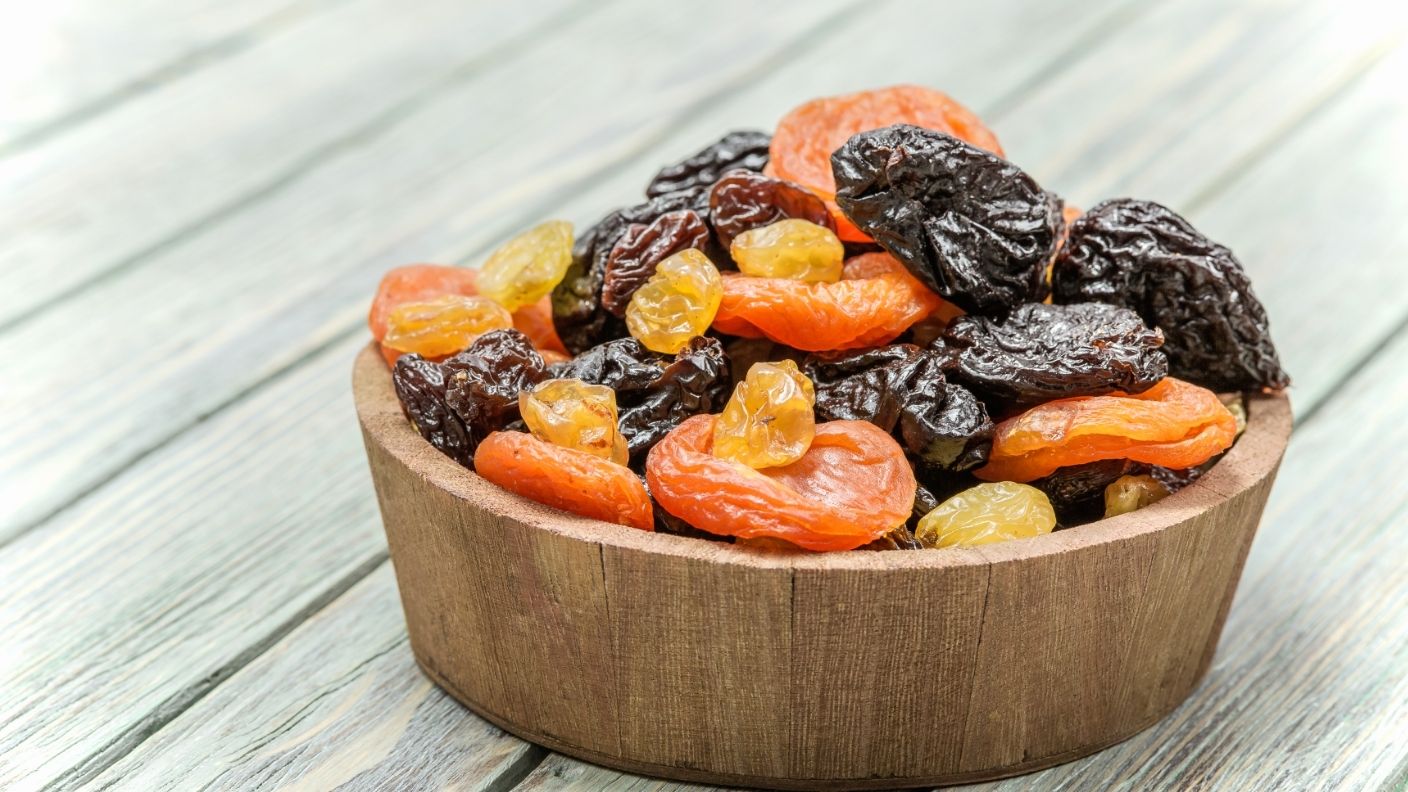
A handful of dried apricots or mango feels like an obvious upgrade over candy, and in some ways it is. The catch is that drying fruit concentrates its natural sugars into a much smaller, denser portion than the fresh version.
A small handful can carry as much sugar as a full serving of fresh fruit, minus most of the water that would normally help someone feel full. Many brands also coat dried fruit in added sugar on top of what’s naturally there, which pushes the number even higher.
Bottled Fruit Smoothies
A smoothie built entirely from real fruit sounds like a straightforward health win compared to soda. The problem is that blending strips away most of the fiber whole fruit would otherwise provide.
Without that fiber, the natural sugar in the fruit hits the bloodstream much faster, closer to the way a sugary drink would behave than a bowl of fresh fruit. Portion sizes on bottled versions also tend to represent several servings of fruit compressed into one drink.
Veggie Chips
The word “veggie” does a lot of heavy lifting on that bag. Most veggie chips start as potato or corn starch with a small amount of vegetable powder added for color and a hint of flavor.
They’re still fried or baked in oil and salted heavily, putting their fat and sodium content in roughly the same range as regular potato chips. A serving rarely delivers meaningful amounts of the vitamins or fiber a real vegetable would provide.
Protein Bars
A wrapper covered in grams of protein and words like “natural” makes a bar feel more like a supplement than a snack. Underneath that framing, a lot of protein bars are close cousins to a candy bar, built on chocolate coatings, syrups, and sugar alcohols.
Some brands genuinely deliver on quality protein with minimal added sugar, but plenty of others lean on flavor first and nutrition second. Flipping the bar over and reading the actual ingredient list is the only reliable way to tell which kind is in hand.
Multigrain Bread
“Multigrain” sounds like a guarantee of whole grains, but the label only promises that more than one type of grain was used somewhere in the recipe. Refined white flour can still make up the bulk of the loaf.
Without the word “whole” appearing clearly, either in the name of the grain or as the first ingredient listed, there’s no real assurance the bread offers much more fiber than a standard white loaf. A darker color from added molasses or caramel coloring can make that gap even easier to miss.
Rice Cakes
Plain rice cakes have built a reputation as the ultimate light, guilt-free snack, largely because a single cake is so low in calories. That low number comes with a tradeoff: almost nothing in the way of fiber, protein, or lasting fullness.
Rice cakes also digest quickly and can spike blood sugar in a way that’s closer to white bread than most people expect from something so plain. Eaten alone, they tend to leave people hungry again within the hour.
Trail Mix
A bag full of nuts, seeds, and dried fruit reads as a wholesome, energy-dense snack, and the base ingredients usually are. Most store-bought versions add chocolate chips, yogurt-covered pieces, or candy-coated bits that shift the balance considerably.
Those additions turn a moderate handful into a much more calorie-dense mix than the name suggests. Checking the ingredient list for how far down actual nuts and seeds fall on it is a quick way to judge which mix is closer to trail food and which is closer to dessert.
RELATED ARTICLE: Trying to Lose Weight but the Scale Won’t Budge? This Everyday Food May Be the Reason
