


8 Seemingly Innocent Foods That Spike Your Blood Sugar Faster Than a Candy Bar


Most people know a candy bar isn’t exactly a health food. It’s loaded with sugar, and nobody reaches for one expecting steady energy for the rest of the afternoon.
What surprises many shoppers is how some of the most ordinary, even “diet-friendly” foods affect blood sugar. Measured by the glycemic index, which ranks how quickly a food raises blood sugar, several pantry staples land well above a typical chocolate bar.
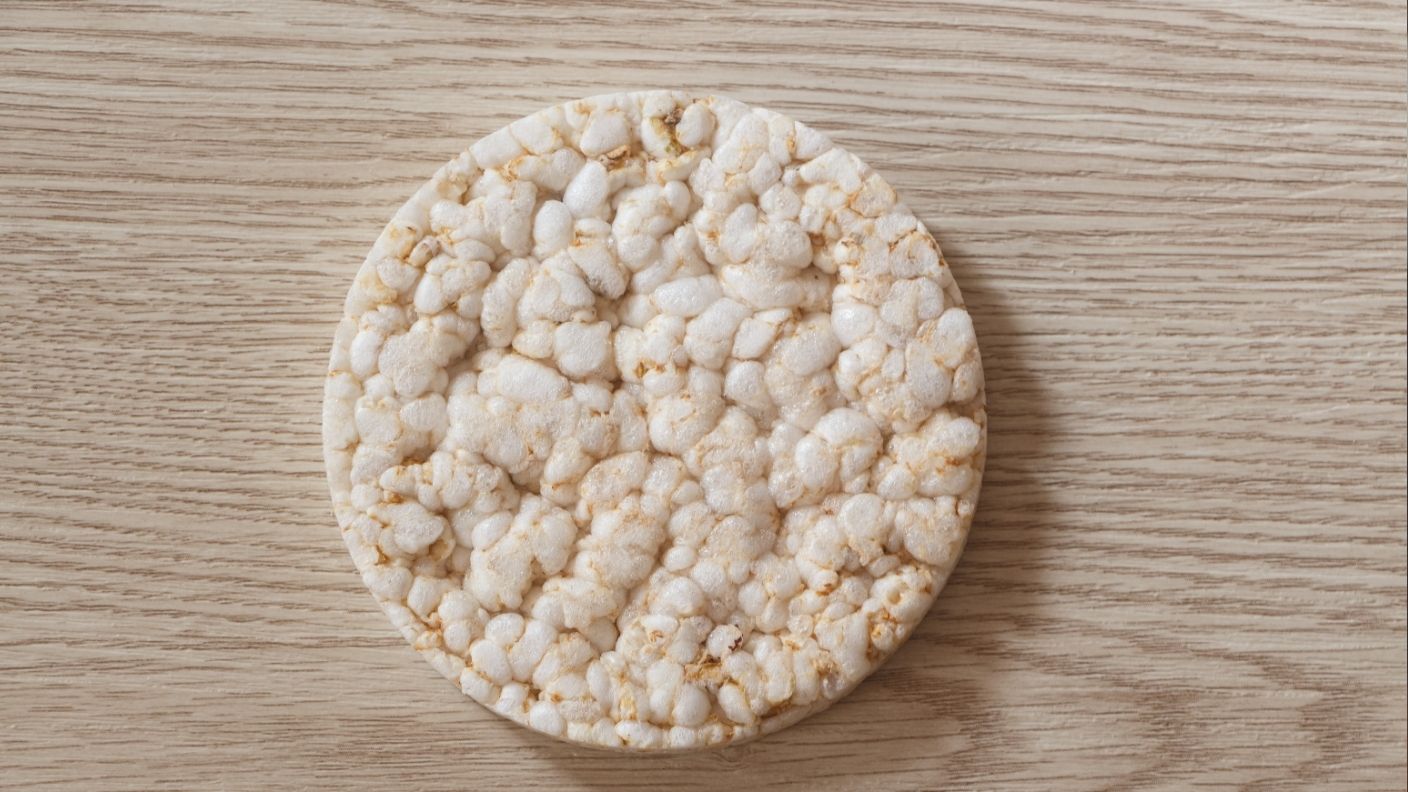
Rice Cakes
Rice cakes have long been a go-to snack for anyone watching calories. They’re light, crunchy, and low in fat, which gives them a healthy reputation.
The puffing process, though, makes the starch extremely easy to digest. Rice cakes often score in the 80s on the glycemic index, while many chocolate bars land closer to 50, since the fat and protein in nuts and chocolate slow sugar absorption.
Instant Oatmeal
Oatmeal is a classic healthy breakfast, but how it’s processed matters a lot. Instant oats are rolled thinner and precooked, so the body breaks them down much faster than steel-cut or old-fashioned oats.
That can send blood sugar up quickly, especially with flavored packets that add sugar on top. Switching to rolled or steel-cut oats and adding nuts or Greek yogurt keeps the bowl far steadier.
Cornflakes
A bowl of plain cornflakes seems like a light, simple breakfast. There’s no frosting or marshmallows, so it’s easy to assume it won’t cause much of a spike.
In reality, cornflakes are made from highly processed corn that digests almost instantly, giving them a glycemic score around 80. Pouring on milk and adding fruit helps a little, but a fiber-rich cereal or eggs will hold up much better.
Baked Russet Potatoes
A plain baked potato looks wholesome, especially without butter or sour cream. But the fluffy starch in russets breaks down remarkably fast once cooked.
Some measurements place baked russets near the very top of the glycemic scale, even above table sugar. Cooling cooked potatoes, as in potato salad, creates resistant starch that slows digestion, and pairing them with protein and vegetables helps too.
White Rice
White rice is a staple in kitchens around the world, and it’s naturally low in fat. The trouble is that milling removes the bran and germ, leaving mostly fast-digesting starch.
Many types of white rice score in the 70s or higher, especially sticky and short-grain varieties. Basmati tends to be gentler, and mixing in beans, vegetables, or a portion of brown rice can blunt the spike.
Pretzels
Pretzels often get chosen over chips because they’re baked and low in fat. That swap makes sense for fat content, but not for blood sugar.
Made from refined white flour, pretzels digest quickly and can score in the 80s. Without fat, protein, or fiber to slow them down, they tend to leave people hungry again soon, so pairing them with hummus or cheese helps.
Rice Milk
Rice milk is popular with people avoiding dairy, soy, and nuts. It’s mild, slightly sweet, and easy to drink, which makes it seem like a gentle choice.
Its sweetness comes from rice starch broken down into sugars during processing, which helps give it one of the higher glycemic scores among milk alternatives. Unsweetened soy or pea milk offers more protein and a much smaller effect on blood sugar.
White Bagels
A plain bagel can seem like a modest breakfast compared with a pastry. But a typical bagel is dense with refined flour, and many are equal to several slices of bread.
That combination of fast-digesting starch and a large portion can push blood sugar up quickly. Choosing a whole-grain bagel, eating half, and adding eggs, smoked salmon, or nut butter creates a far more balanced meal.
RELATED ARTICLE: Why You Should Never Eat Carbs Alone: The “Food Order” Hack That Stops Fat Accumulation
