


7 Potassium-Packed Foods That Americans Are Not Eating Enough

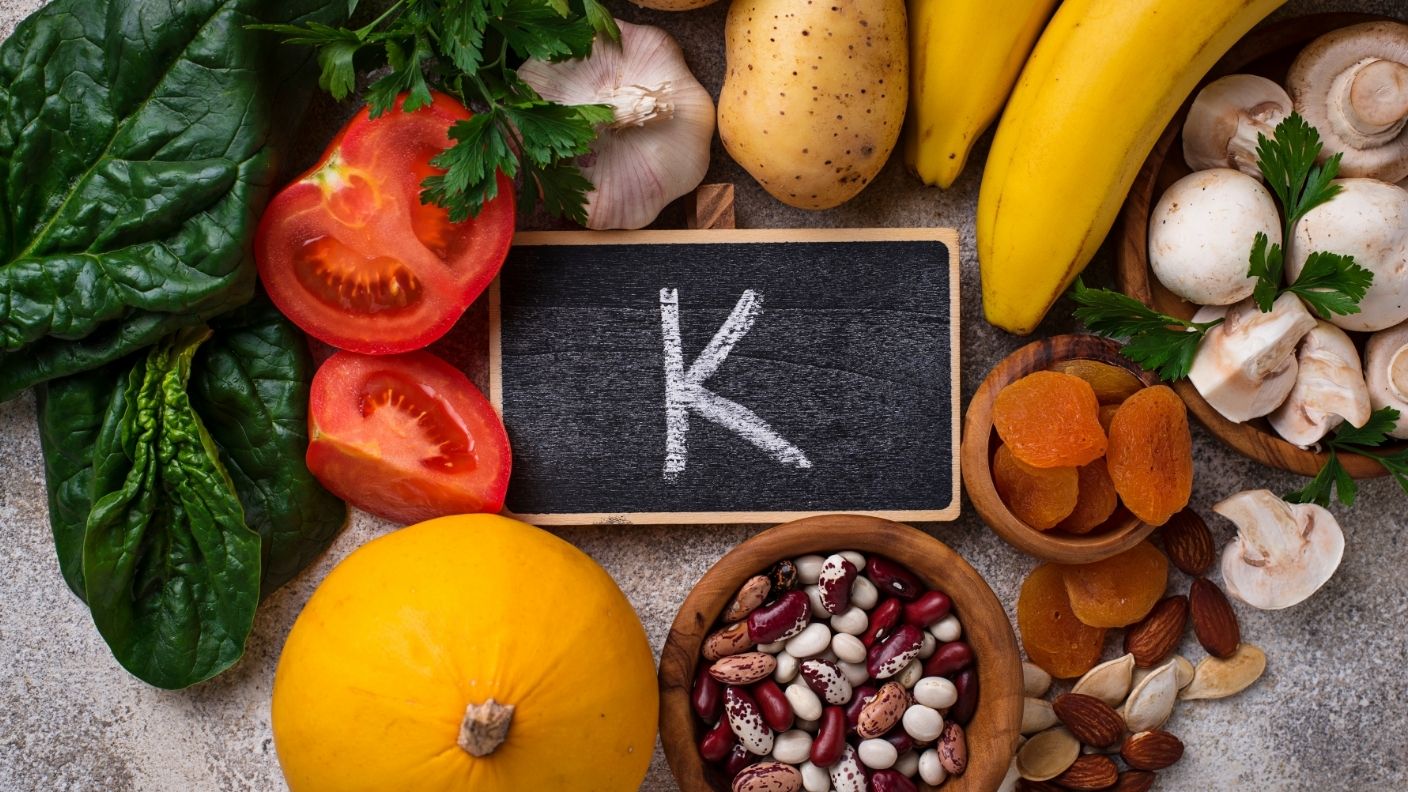

Bananas get all the credit when it comes to potassium, but they are actually far from the strongest source out there. Most people eating for their heart, their muscles, or their blood pressure are still coming up short without realizing it.
According to federal researchers, potassium is officially labeled a shortfall nutrient because most Americans do not consume enough of it. The good news is you do not need to eat a mountain of bananas to fix that, since there are far better options hiding in plain sight.
Here are seven foods worth adding to your plate if potassium has quietly been missing from your diet.
Potatoes
Skip the fries and keep the skin on. A medium potato with the skin intact delivers close to 900 milligrams of potassium, more than double what a banana provides, plus a solid dose of vitamin C.
Sweet Potatoes
Sweet potatoes bring a similar punch to the table. A medium baked sweet potato with the skin on contains around 540 milligrams of potassium, along with plenty of vitamin A.
Avocado
Avocado toast fans are already ahead of the curve here. A single avocado can pack anywhere from 600 to 800 milligrams of potassium, making it one of the richest fruit sources around.
Spinach
Leafy greens quietly outperform fruit when it comes to potassium. A cup of cooked spinach provides roughly 560 milligrams, plus fiber, iron, and antioxidants in the very same bite.
Coconut Water
An eight ounce serving of coconut water contains close to 600 milligrams of potassium, all with far less sugar than a typical sports drink.
White Beans
A single cup of cooked white beans holds roughly twice the potassium of a banana, making them an easy addition to soups, salads, and dips.
Salmon
Even protein lovers can boost their potassium intake. A serving of salmon contains around 350 milligrams, alongside a healthy dose of omega-3s.
None of this means bananas are a bad choice, they are just not the potassium powerhouse people tend to assume. Rotating in a few of these foods each week is an easy way to close the gap without overhauling your entire diet.
RELATED ARTICLE: Why Nutritionists Say Most Women Aren’t Eating Enough of This
