


7 “Clean” Foods That Are Secretly Causing Bloating and Inflammation


A plate full of vegetables, beans, and whole grains looks like the gold standard of eating well. So it can feel like a betrayal when a virtuous lunch leaves your waistband tight and your stomach puffed up by mid-afternoon.
The frustrating part is that these foods aren’t bad. They just come with a few digestive quirks that rarely make it onto wellness labels, and knowing them can make the difference between feeling light and feeling like a balloon.
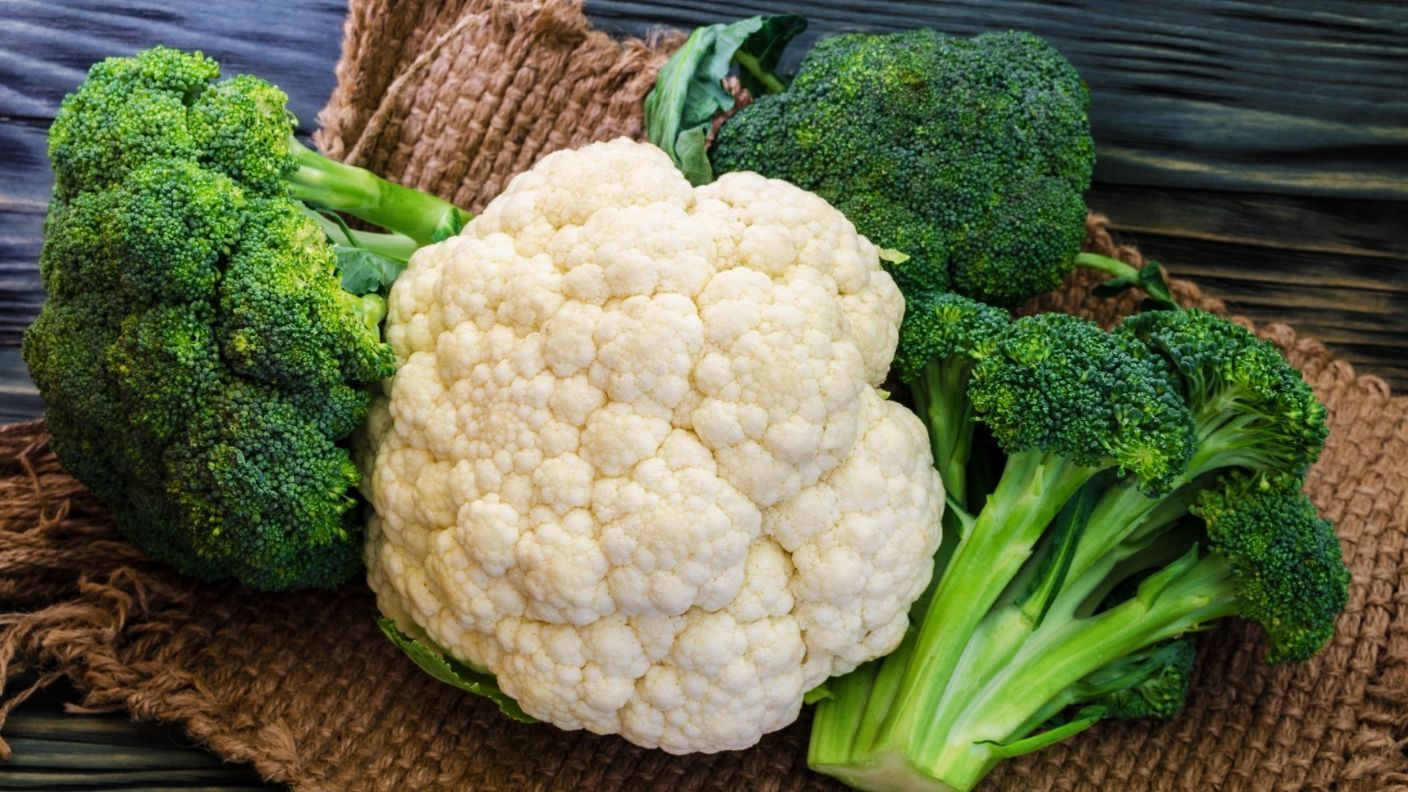
Broccoli and Cauliflower
Cruciferous vegetables earn their spot on every healthy-eating list, packed with fiber, vitamin C, and protective plant compounds. They also contain raffinose, a complex sugar the small intestine can’t fully break down.
When raffinose reaches the large intestine, gut bacteria ferment it and produce gas along the way. Cooking these vegetables until tender, eating smaller portions, and building up intake gradually usually helps the gut adjust without the discomfort.
Beans and Lentils
Beans are one of the best sources of plant protein and fiber around, which is exactly why they show up in so many clean-eating bowls. Their reputation for causing gas is also well earned, thanks to a group of carbohydrates called galacto-oligosaccharides.
These carbs pass undigested into the colon, where bacteria ferment them and release gas. Rinsing canned beans well, soaking dried ones before cooking, and starting with small servings can noticeably reduce the bloating.
Garlic and Onions
These two flavor builders sneak into almost every homemade meal, from soups to sauces to roasted vegetables. They’re both rich in fructans, a type of carbohydrate that many people absorb poorly.
For anyone with a sensitive gut or irritable bowel syndrome, fructans are a common trigger for bloating, cramping, and gas. Garlic-infused oil and the green tops of scallions are handy swaps, since they deliver flavor with far fewer fructans.
Apples
An apple a day sounds like the most innocent habit there is. But apples contain plenty of fructose along with sorbitol, a naturally occurring sugar alcohol that the body absorbs slowly.
Whatever isn’t absorbed draws water into the gut and gets fermented by bacteria, which can lead to bloating and loose stools in sensitive people. Berries, oranges, and kiwi are generally gentler options for anyone who notices apples don’t sit well.
Sugar-Free Snacks
Keto bars, sugar-free gummies, and “no added sugar” treats often swap sugar for sugar alcohols like sorbitol, maltitol, and xylitol. Many also pump up their fiber count with chicory root, also listed as inulin.
Both ingredients are fermented heavily in the gut, which is why eating a whole bag or a couple of bars can trigger serious gas and bloating. Checking the label for these ingredients and keeping portions small can save a lot of discomfort.
Whole Wheat Bread
Swapping white bread for whole wheat is one of the most common healthy upgrades, and for most people it’s a good one. Wheat, though, is also a major source of fructans, the same carbohydrate found in garlic and onions.
For people with celiac disease, the gluten in wheat goes further, triggering an immune reaction that inflames and damages the small intestine. Anyone who regularly feels unwell after eating bread should talk to a doctor before cutting gluten, since testing works best while it’s still in the diet.
Agave Nectar
Agave got its healthy halo from being plant-based and having a lower glycemic index than table sugar. The reason it barely moves blood sugar is that it’s very high in fructose, which the liver handles differently from glucose.
Large amounts of fructose can be hard for some people to absorb, leading to bloating and gas. And like any added sugar, eating a lot of it regularly has been linked with higher markers of inflammation, so it’s best treated like sugar rather than a health food.
RELATED ARTICLE: 7 Foods That Seem Healthy But May Not Be As Good As You Think
