


30 Days Without Alcohol: What Really Happens to Your Body

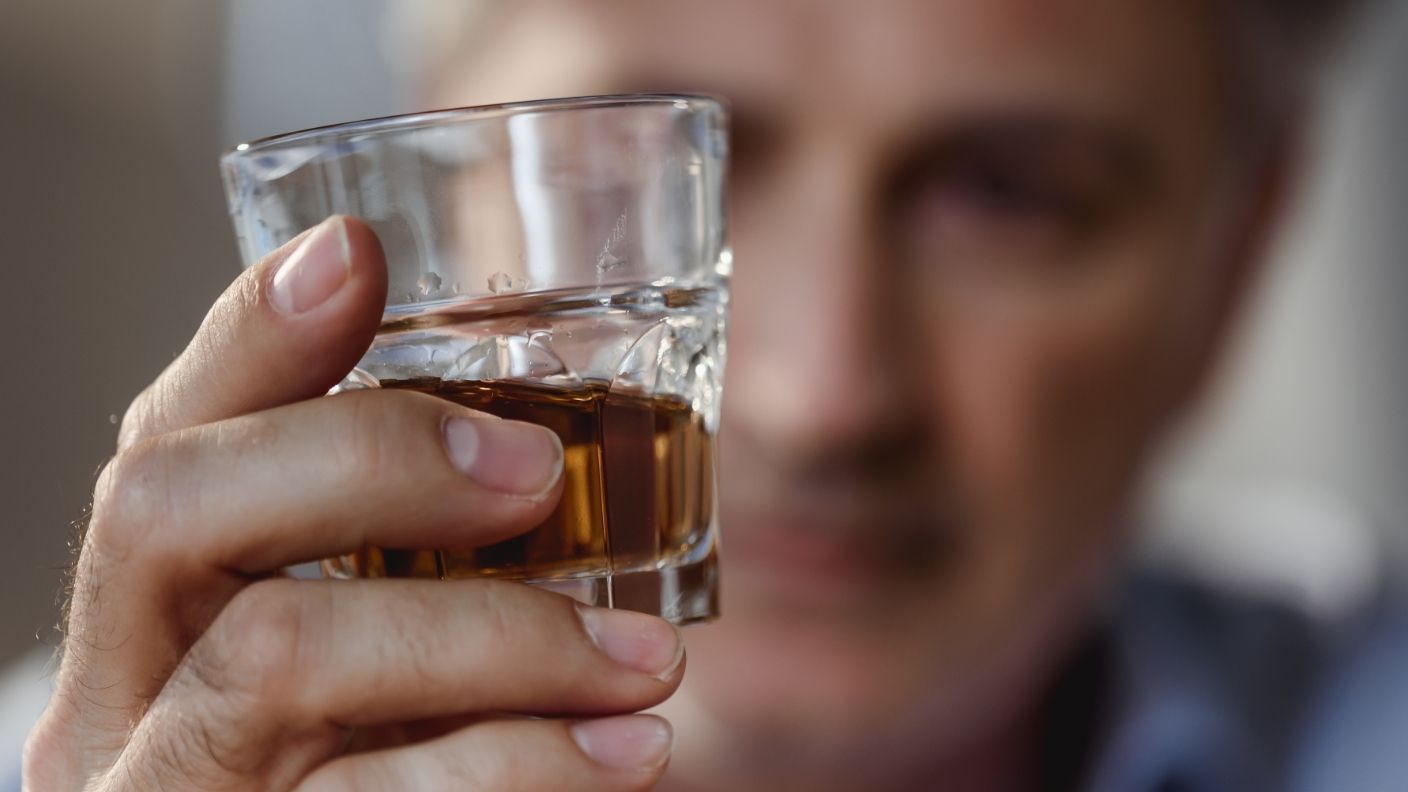

Dry January has turned a full month without alcohol into one of the most studied short term health experiments people voluntarily run on themselves. Doctors who track these changes closely say the body starts responding faster than most people expect.
“It gives the body time to show people how it feels without alcohol,” Dr. Pinchieh Chiang, a clinician at Circle Medical in San Francisco, told Fox News. For many people, that feedback alone genuinely changes their relationship with drinking going forward.
None of it requires being a heavy drinker to notice a difference. Here is what actually happens to the body over 30 days without alcohol.
Sleep And Stress Hormones Shift First
Alcohol makes falling asleep easier but fragments sleep quality throughout the night, preventing the deep, restorative stages the body actually needs, according to UT Southwestern Medical Center. Within the first week off alcohol, sleep quality and how rested a person feels in the morning both tend to improve noticeably.
Cortisol, the body’s primary stress hormone, also tends to stabilize once alcohol stops disrupting its normal regulation. That combination of better sleep and steadier cortisol is often the very first change people notice, sometimes within just a few days.
The Liver And Gut Start Recovering
Mayo Clinic addiction medicine specialist Dr. Tyler Oesterle has said alcohol is toxic to a wide range of organ systems, including the liver, pancreas, heart and nervous system, according to Yahoo Life. For people with any existing liver strain, abnormal liver enzyme levels can begin improving within the very first 30 days of abstinence.
Digestive symptoms often ease during this stretch too, since alcohol irritates the stomach lining and promotes inflammation throughout the gut. Reduced bloating and a calmer stomach are among the more commonly reported changes by the time a full month has passed.
Mood Genuinely Improves, According To Real Data
Beyond the physical changes, cohort studies following Dry January participants have found significantly higher scores on a standardized measure of psychological wellbeing compared to people who kept drinking, according to News Medical. Full neurological recovery can take longer than a month, but meaningful improvements in mood show up well before that point.
Alcohol is also calorie dense and can suppress fat burning, meaning many people naturally lose some weight over the month without changing anything else about their diet. None of these changes require permanent sobriety to matter, since even a single alcohol free month appears to give several body systems a genuine, measurable break.
None of this means one dry month erases years of regular drinking, and doctors are clear that heavier drinkers see the most dramatic improvements. Still, the body responds fast enough that even a single alcohol free month tends to make its case clearly, through better sleep, a calmer stomach and a noticeably steadier mood.
RELATED ARTICLE: What Happens When You Stop Eating Meat for 30 Days
