


What Happens When You Stop Eating Meat for 30 Days

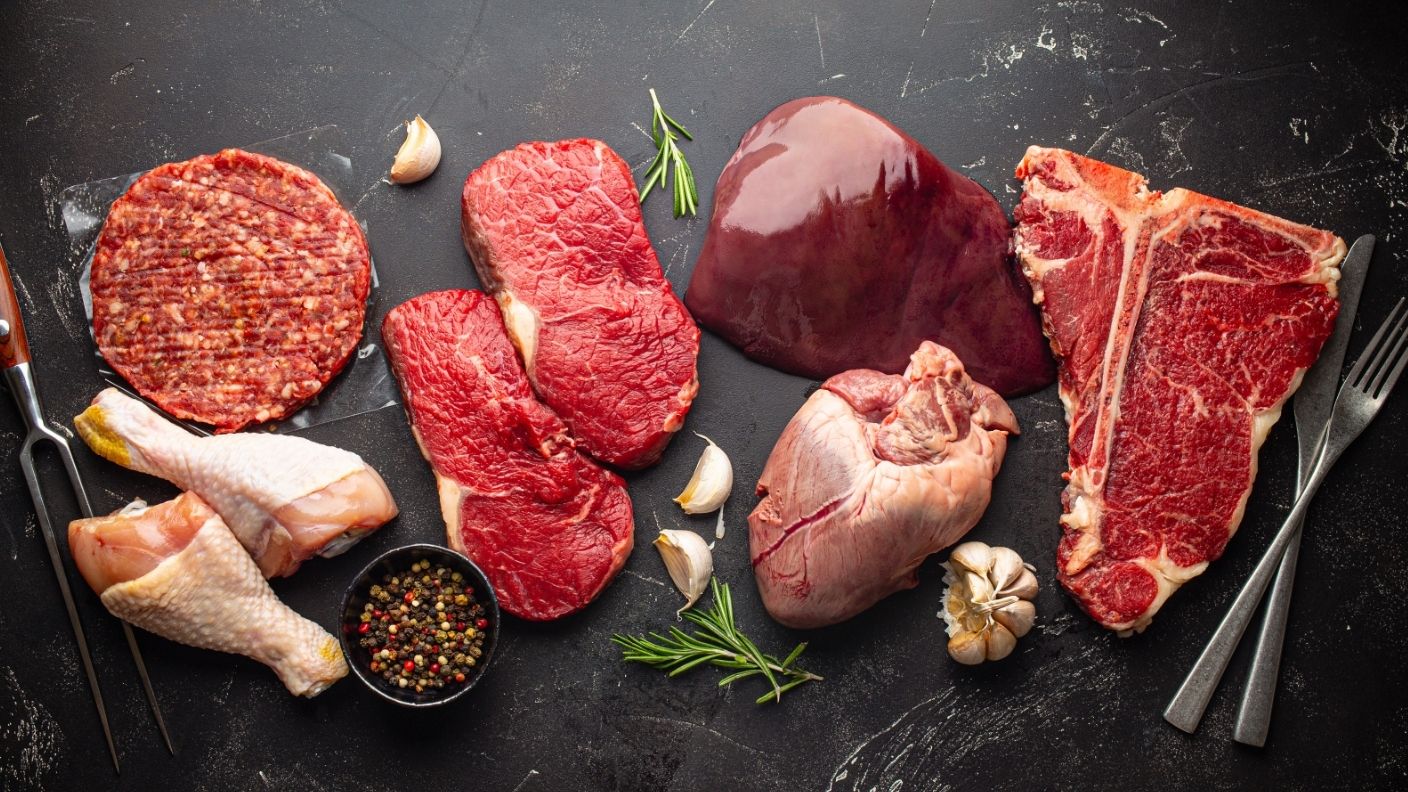

Thirty days without meat sounds simple on paper, mostly a matter of swapping proteins at dinner. What actually happens to the body during that stretch turns out to be a lot more interesting than most people expect.
Dietitians and people who have actually done the experiment describe a fairly consistent pattern, some rough early days followed by changes that genuinely surprise people. The results go well beyond just what shows up on the scale.
None of it requires giving up meat forever to see the effects. Here is what actually happens, roughly week by week, when meat disappears from the plate for a full month.
The First Rocky Stretch
The first several days tend to bring some digestive adjustment as the body shifts toward a higher intake of fiber and plant based protein. Bowel movements typically become more frequent and softer during this stretch, largely thanks to that extra fiber.
Energy can dip briefly too while the body adjusts to a new mix of nutrients. People in a month long group experiment described feeling off during roughly days five through ten as hormones and digestion settled into the new pattern.
This early period is also when cravings and social friction tend to peak, especially around meals built entirely around meat. Most people describe this as the hardest stretch of the entire month, and also the shortest lived.
Somewhere Around The Middle
By the second and third weeks, digestion typically settles and energy tends to stabilize or even improve. Reduced meat intake generally lowers total calorie and saturated fat consumption, according to registered dietitian Lauren Manaker, which can support meaningful heart health benefits over time.
Inflammation markers often start trending in a better direction around this point too. Processed meat in particular tends to carry a lot of hidden sodium, and cutting it removes a meaningful source of the salt tied to fluid retention and higher blood pressure.
Regular exercisers in that same group experiment noticed faster recovery and less soreness by the third week, a shift researchers link partly to anti inflammatory plant compounds called polyphenols. Nobody suddenly gets stronger without meat, they just seem to bounce back faster between workouts.
By The Time A Month Is Up
Most people who complete the full 30 days see some combination of modest weight loss, improved digestion and a noticeably more diverse gut microbiome, fed by the extra fiber from legumes and vegetables, according to a 30 day breakdown. Blood markers like cholesterol and blood pressure often show measurable improvement too.
Sleep was one of the more unexpected changes people reported in that same experiment. One participant summed it up simply, “I stopped hitting snooze,” describing an actual shift in how her body wanted to wake up, according to VegOut.
Nutrient gaps are worth watching for anyone trying this long term, particularly iron, zinc, B12 and protein, which meat typically supplies easily. A well planned plant heavy diet can cover all of it, but it takes a bit more intention than simply removing meat and calling it done.
Thirty days without meat is not really about proving anything to anyone else. It is closer to running a genuine experiment on your own body, one that a surprising number of people say they cannot fully unlearn once it is over.
RELATED ARTICLE: What Happens to Your Body When You Eat Greek Yogurt Every Day
