


10 Foods That Are at Their Best in September


September sits in an unusual overlap between summer’s last productive crops and the earliest signs of fall harvest. That mix means a wider variety of produce actually peaks this month than in almost any other.
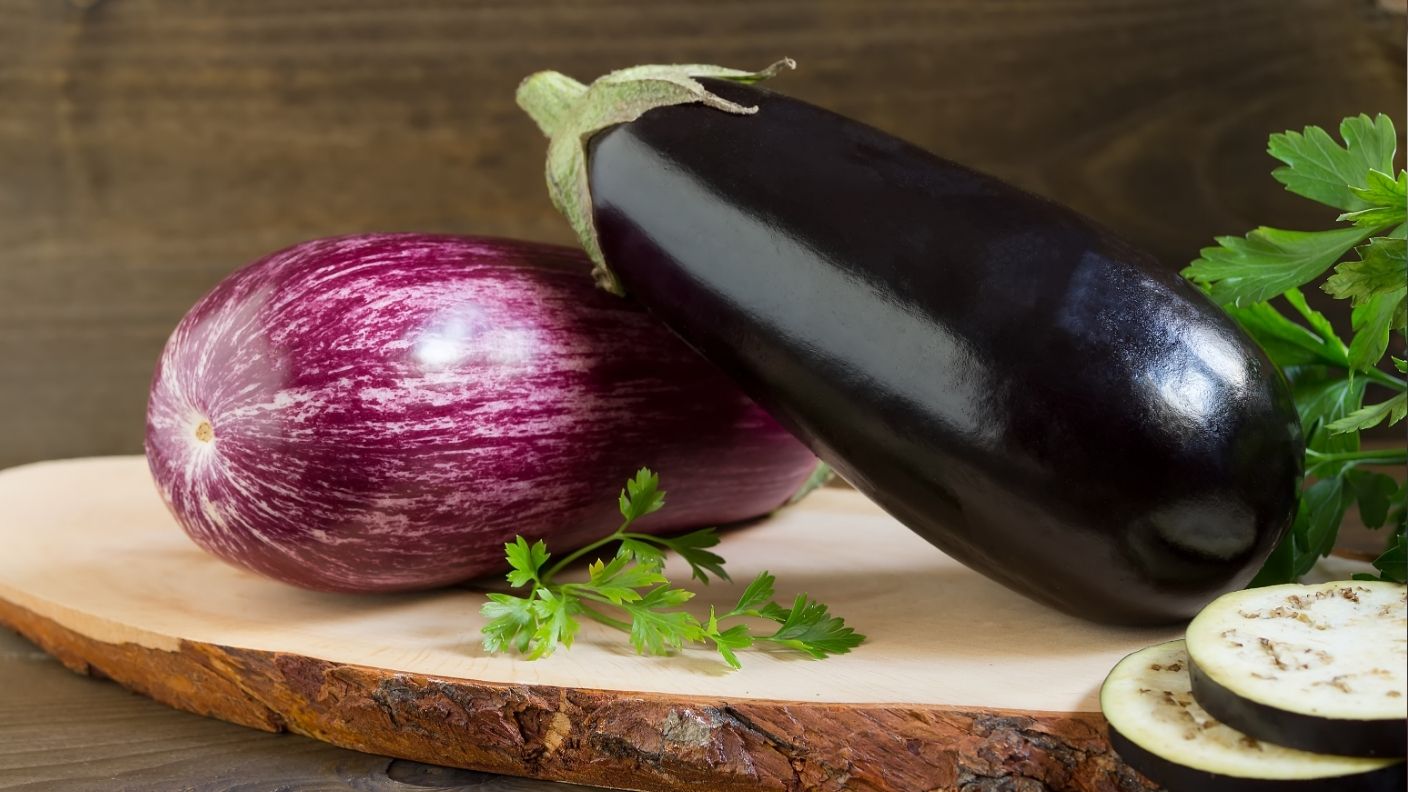
Eggplant
Eggplant reaches its peak right as summer heat starts winding down, developing a creamier texture and less bitterness than earlier in the season. The skin should look glossy and taut, a sign it hasn’t sat too long since harvest.
That window closes fast once cooler nights set in, making September some of the last genuinely good eggplant of the year.
Zucchini
Zucchini plants are still in full production through September, often more than anyone growing them actually knows what to do with. Smaller zucchini picked earlier in their growth tend to be more tender and less watery than the larger ones that show up later in the season.
That abundance is exactly why so many zucchini bread and casserole recipes cluster around this exact time of year.
Plums
Late-season plum varieties hit their peak sweetness in September, developing a deep, juicy flavor that earlier summer varieties don’t quite reach. A ripe one should give slightly under gentle pressure, without feeling mushy.
Once picked, they continue softening at room temperature for a few days, which makes timing the actual bite a little more forgiving than with some other stone fruit.
Raspberries
Fall-bearing raspberry varieties produce their best crop in September, a second wave distinct from the summer-bearing berries earlier in the year. These late raspberries tend to be larger and more intensely flavored than the first summer harvest.
That second flush is often less well known, which means September raspberries can be an underrated find at a farmers market.
Cauliflower
Cauliflower prefers cooler weather to develop properly, and the first fall heads tend to taste cleaner and less bitter than any grown during peak summer heat. A tight, compact head with no visible browning is the surest sign of freshness.
That improvement continues as temperatures drop further into fall, but September marks the meaningful start of it.
Broccoli
Like cauliflower, broccoli does its best growing in cooler conditions, and September’s first cool snaps often produce noticeably sweeter, more tender florets. Heat-stressed summer broccoli tends to taste more bitter and develop a tougher stem by comparison.
Deep green, tightly closed florets are the best indicator that a head was harvested at the right time.
Beets
Beets sweeten significantly as nights start cooling down, converting more of their starches into sugar in response to the temperature shift. Early fall beets tend to taste noticeably less earthy and more balanced than the ones available in high summer.
Roasting brings that sweetness out even further, which is part of why beet dishes start showing up more often on menus this time of year.
Kale
Kale actually improves with a bit of cold exposure, since cooler temperatures trigger the plant to produce more sugar as a natural defense mechanism. September kale, especially after the first genuinely cool nights, tastes milder and less bitter than kale grown in full summer heat.
That shift only continues as the weather cools further, making early fall one of the better windows to start relying on it.
Watermelon
Watermelon is winding down its season in September, but the last crops of the year are often some of the sweetest, having had a full summer to develop sugar. A deep, hollow sound when tapped and a solid, heavy feel for its size are still the best ways to judge ripeness.
This is close to the last reliable stretch before watermelon quality drops off heading into fall.
Green Beans
Green beans are still actively producing through September, and beans picked at this point tend to be more tender than the tougher, more fibrous pods that show up when the season really winds down. A bean that snaps cleanly rather than bending is the clearest sign of freshness.
That crispness makes September beans especially good for quick sautés or a simple blanch, without much else needed to make them taste good.
RELATED ARTICLE: What to Do With Extra Peppers, Tomatoes, and Zucchini
