


You’ve Been Storing Tomatoes All Wrong (Here’s the Fix)

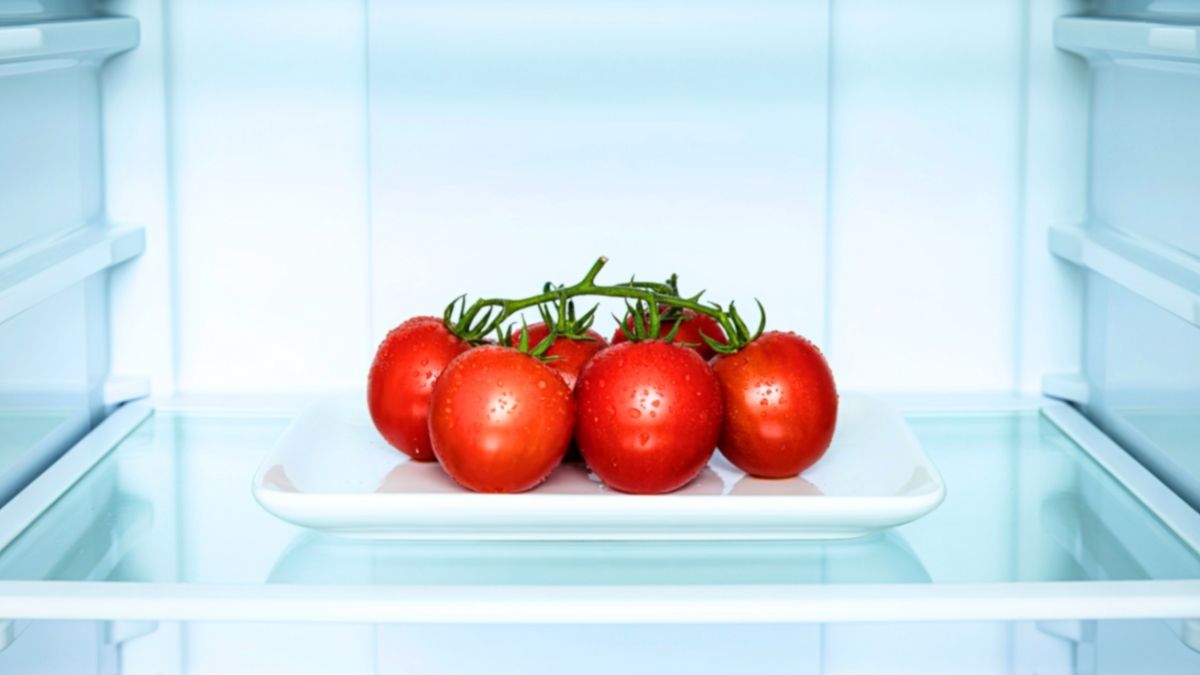

If you have been putting your tomatoes straight into the refrigerator every time you get home from the grocery store, you are not alone. Almost everyone does it. And almost everyone is quietly ruining one of the best fruits on the planet without realizing it.
The fix is simple, takes about two seconds, and will genuinely change the way your tomatoes taste. But first, it helps to understand exactly what the fridge is doing to them.
What the Cold Actually Does
When tomatoes are stored below 54°F, they experience something called chilling injury, a process that breaks down the cell walls inside the fruit and turns the flesh mealy and grainy. But the texture problem is only half of it.
A landmark study published in PNAS by researchers at the University of Florida found that cold temperatures actually shut off the genes responsible for producing the volatile compounds that give tomatoes their flavor.
A panel of 76 tasters confirmed it, unanimously finding that refrigerated tomatoes tasted flat and bland compared to tomatoes stored at room temperature.
Even worse, volatiles in chilled tomatoes dropped by 65 percent, and some of those flavor genes never fully recover even after the tomato warms back up.
Where They Actually Belong
Tomatoes should live on the counter, stem-side down, out of direct sunlight, at room temperature. This keeps the ripening process active, preserves the aromatic compounds that make them worth eating, and maintains the texture that makes a good tomato feel like a good tomato.
Texas A&M AgriLife Extension recommends treating tomatoes exactly as they are displayed at the market, out in the open, with space between them for airflow. Room temperature is their natural habitat.
The Stem-Side-Down Trick
Storing tomatoes upside down creates a small seal over the stem scar, blocking oxygen from entering and slowing down the growth of mold and bacteria. America’s Test Kitchen tested this and found it meaningfully extended freshness without any flavor trade-off.
If flipping them feels fussy, the equally effective alternative is to place a small piece of tape over the stem scar. The Kitchn tested both methods over ten days and found the tape method performed just as well, keeping the tomato firm, sweet, and bright without refrigeration.
When the Fridge Is Actually Fine
There are two situations where the refrigerator genuinely makes sense. Fully ripe tomatoes that you cannot eat in the next day or two can go in the fridge to buy a little extra time, as long as you let them sit out for at least 30 to 60 minutes before eating to revive some of their dormant flavor.
Cut tomatoes always belong in the fridge, stored in an airtight container, and consumed within three to four days. That part, at least, everyone has been getting right.
The rest of the time, the counter is where they belong. The fridge has never been a tomato’s friend, and now that the science has confirmed it, there is no reason to keep making that particular mistake.
