

You’re Probably Freezing Food the Wrong Way


Most people treat the freezer like a pause button. Toss something in, forget about it, pull it out later. But if you have ever defrosted meat that tasted weirdly cardboard-like, or vegetables that came out grey and mushy, the problem was probably not the food. It was how you froze it.
There are a handful of mistakes almost everyone makes, and most of them happen before anything even enters the freezer.
The Packaging Problem Nobody Fixes
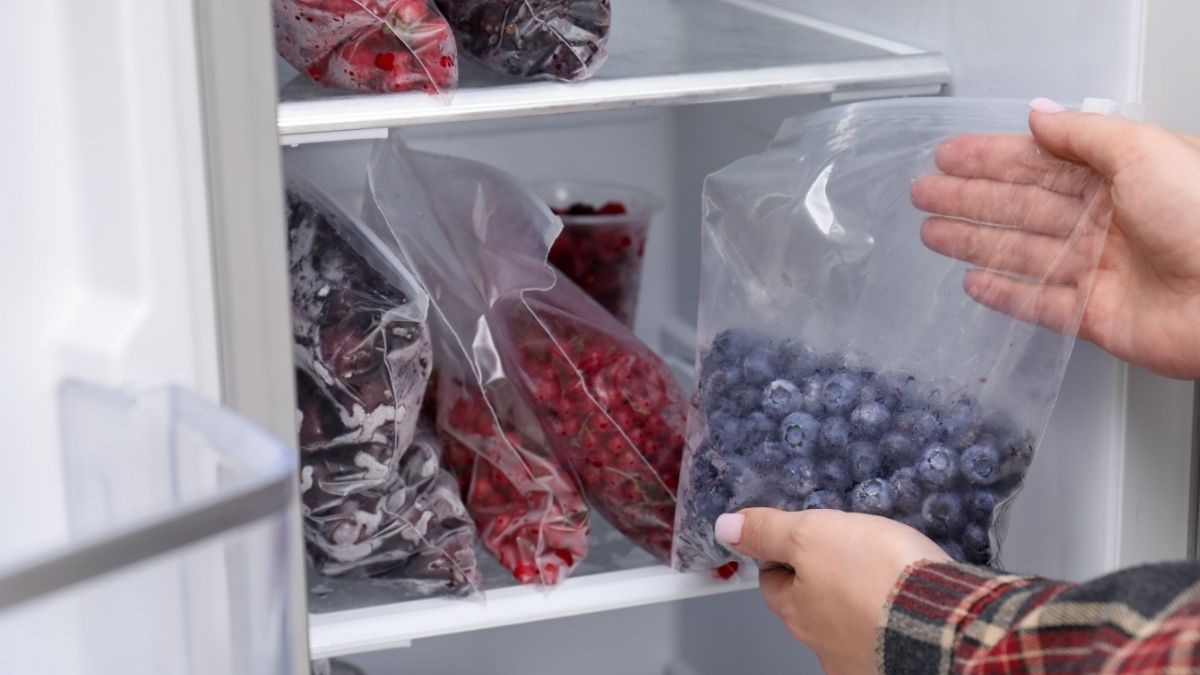
The most common error is also the most damaging. Freezer burn happens when food is exposed to air inside the freezer, and the thin plastic trays that supermarket meat comes in offer almost no protection against it.
The fix is to always double wrap with freezer-weight bags, freezer paper, or heavy-duty foil, pressing out as much air as possible before sealing. Flattening bags that contain liquids like soups or sauces before freezing also helps them freeze evenly and saves real space.
Never Put Warm Food Straight In
This one surprises people. Placing hot or even warm food directly into the freezer raises the temperature inside, which can speed up spoilage of everything else already stored there and forces the appliance to work harder than it should.
Always let food cool to room temperature first, and for best results, chill it briefly in the refrigerator before transferring it to the freezer.
The Vegetable Mistake That Ruins Everything
Most vegetables should be blanched before they go into the freezer, and most home cooks skip this step entirely. Raw vegetables contain natural enzymes that keep breaking down color, flavor, and texture even at freezer temperatures, which is why unblanched broccoli comes out sad and grey after a few months.
Blanching means a quick dip in boiling water followed immediately by an ice bath to stop the cooking, and it locks in color, flavor, and nutrients in a way that skipping the step simply cannot replicate.
The Flash Freeze Trick That Changes Everything
Before bagging anything, spread it out in a single layer on a baking sheet and freeze it for a few hours first. This flash freeze step prevents food from clumping together into a solid frozen brick, so you can pull out exactly what you need without defrosting the entire batch.
Smaller portions freeze faster, and faster freezing means smaller ice crystals, which means far less damage to the texture of the food when it eventually thaws.
The Labeling Nobody Does
A mystery container at the bottom of the freezer is practically a kitchen cliché at this point. Unlabeled food not only leads to waste but also means you have no idea whether something is still worth eating, since even properly frozen food has a quality window before flavors fade.
Label everything with the name and the date, and keep older items at the front where you will actually see them first.
Freezing food is genuinely one of the most effective ways to cut waste and save money. But only if the food comes out the other side tasting like something worth eating. A few extra minutes of preparation before anything enters the freezer makes a difference that shows up clearly on the plate.
RELATED ARTICLE: 5 Vegetables That Are More Nutritious When Eaten Frozen
