


You Don’t Have to Peel Potatoes and Carrots: A Simple Kitchen Trick Is Enough

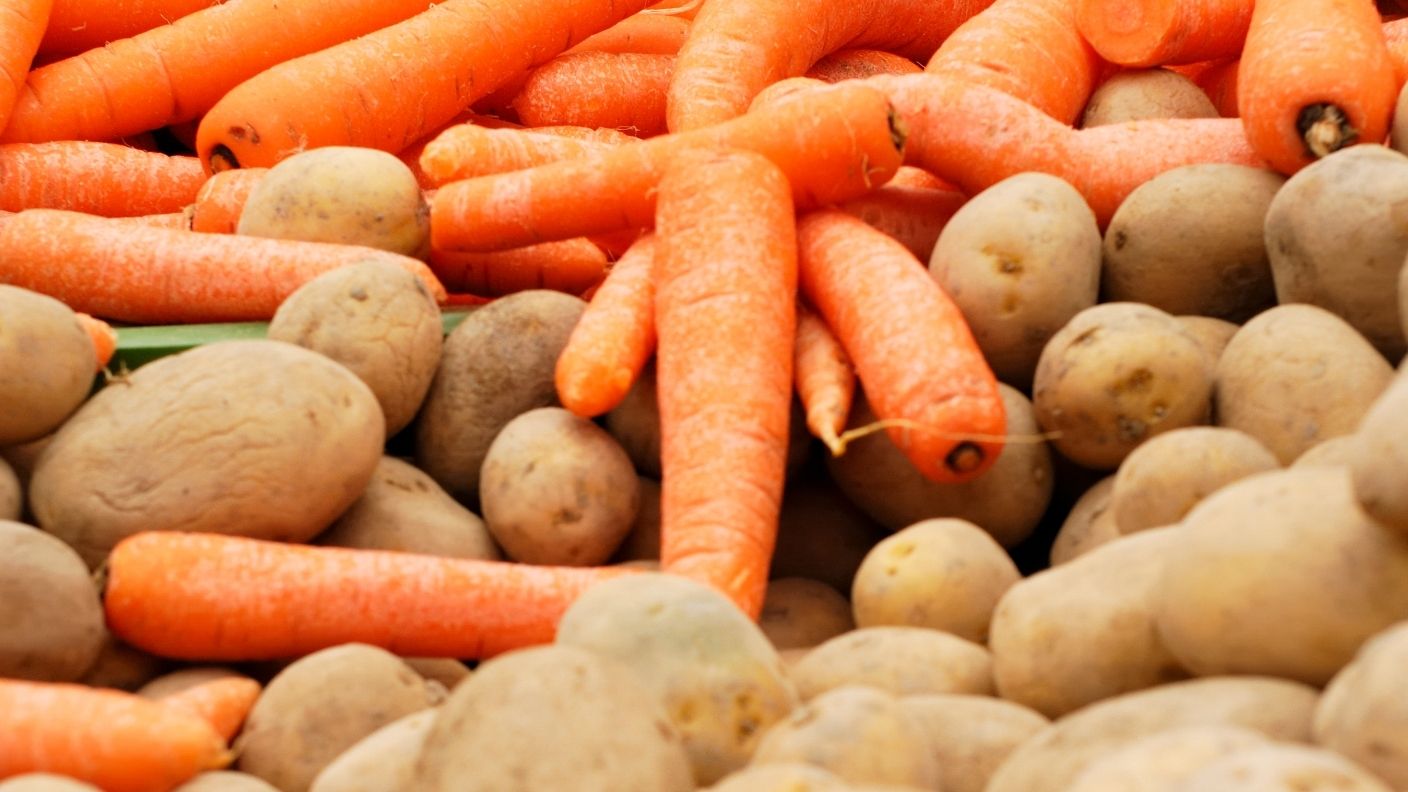

Peeling a pile of potatoes or carrots is one of those kitchen chores that eats up more time than it should, especially on a weeknight when dinner needs to happen fast. It turns out that step is skippable far more often than most people assume.
Why the Skin Doesn’t Need to Go
A lot of the nutritional value in root vegetables sits right in or just beneath the skin, so peeling it away actually removes more than dirt.
Leaving the skin on can mean up to 30% more fiber compared to the same vegetable peeled, which adds up if potatoes and carrots are a regular part of your meals.
Thin-skinned varieties in particular don’t need much done to them at all. Vegetables like organic carrots, radishes, and thin-skinned potatoes have a skin that’s easy to chew and packed with the same nutrients as the rest of the vegetable, which makes peeling them feel like unnecessary extra work.
The Trick: Scrub, Don’t Peel
Instead of reaching for a peeler, the easier route is to scrub the vegetable clean under running water. A stiff-bristled brush or an abrasive scouring pad works well here, since the slightly rough surface lifts off dirt and grime without cutting into the flesh the way a peeler does.
For carrots specifically, a firm-bristled brush can even knock off some of the thin outer peel on its own while you scrub, saving an extra step entirely. The whole process takes a fraction of the time peeling would, and there’s no pile of skins left to clean up afterward.
When Peeling Still Makes Sense
This trick isn’t a universal rule, and there are still cases where peeling is worth the extra effort. Large, older carrots can develop a genuinely bitter-tasting skin, so peeling those makes sense both for flavor and texture.
Thicker-skinned potato varieties, like Russets, also tend to hold onto more dirt and have a tougher skin that some people prefer removed, especially for dishes like mashed potatoes where a smooth texture matters.
Skin that’s visibly cracked, wrinkled, or heavily bruised is also worth peeling away rather than scrubbing, since no amount of brushing will fully clean it up.
A Few Tips for Best Results
A dedicated vegetable brush is worth keeping near the sink if you plan to skip peeling regularly, though a clean scouring pad works just as well in a pinch.
Scrub under cold running water rather than letting vegetables soak, since sitting in standing water can actually make dirt harder to remove rather than easier.
Once scrubbed, pat the vegetables dry before cutting into them, especially if they’re headed for roasting, since excess surface water can keep them from browning properly. With that one small habit in place, peeling becomes a step you reach for occasionally rather than every single time.
RELATED ARTICLE: To Peel or Not to Peel? The Surprising Truth About Your Produce
