


Why Your Vulcan Gas Convection Oven Won’t Ignite and What to Check

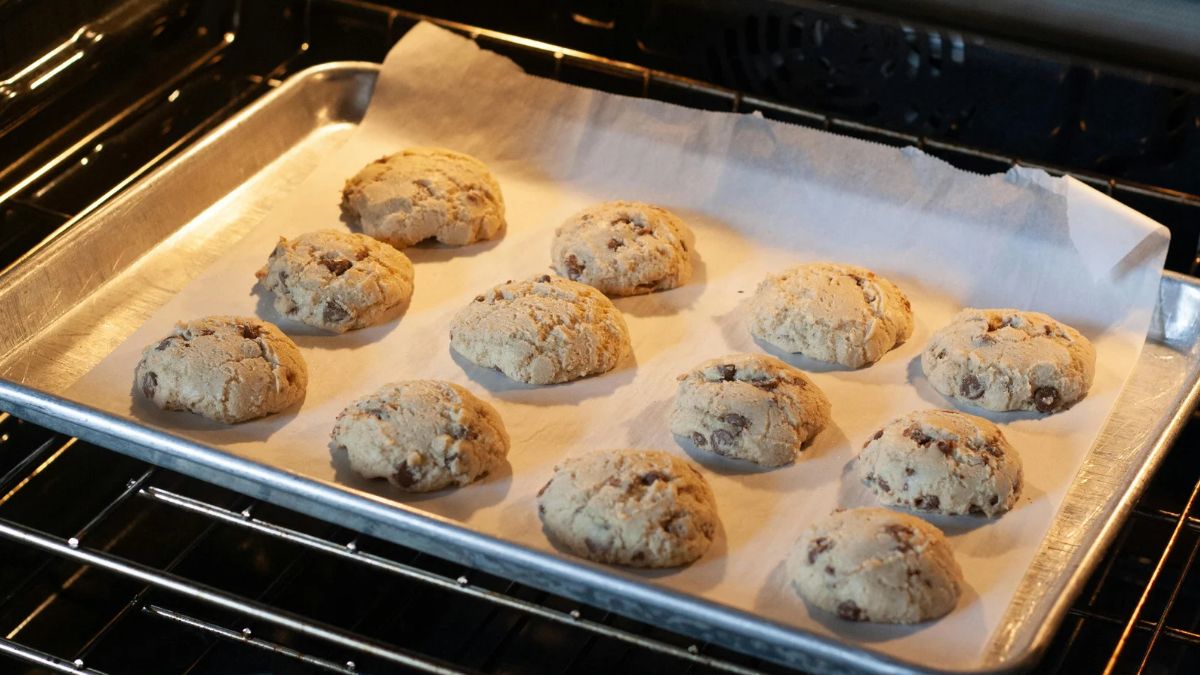
You’re completing food prep, you turn on your Vulcan Hart convection oven, and… no response at all. A situation like this can easily catch any chef off guard and stall your kitchen. Not every ignition problem means an expensive repair, though. A simple issue with the gas supply or oven settings might be causing this.
But when component failures are involved, the set of culprits includes a faulty igniter, gas valve, or ignition control that is keeping the burner from lighting, among other possible reasons. Because getting your kitchen back up and running and keeping it that way for a long time is a priority, you want to make sure the Vulcan convection oven parts you are getting are of high quality to ensure reliable repair results.
Let’s walk through the most common Vulcan convection oven ignition problems, what symptoms they can cause and what to check.
Vulcan Gas Convection Oven Not Lighting? Start Troubleshooting With These Checks
Rule out a few basic issues before calling a technician.
• Check the power and oven settings. Make sure the oven is powered on, isn’t set to Cool Down mode, and has a temperature setting above the current oven temperature.
• Has your gas supply been interrupted? Check other gas appliances in the kitchen to confirm the supply line is active.
• Make sure the doors are fully closed. Many Vulcan convection ovens have a door switch that won’t let blower and heating operation start if the door is open.
• Pay attention to additional symptoms. Does the convection fan start? Does the oven even attempt ignition? Does the burner briefly light before going out? Those details will help a technician distinguish between failure areas, be it ignition, gas supply, or flame detection.
6 Reasons Your Vulcan Gas Convection Oven Won’t Ignite
1. A Faulty Door Switch or Blower Interlock Is Preventing Ignition
Here’s a problem that’s easy to overlook: sometimes the burner isn’t the problem at all.
Vulcan convection ovens use a blower to circulate heated air throughout the cooking chamber. On many models, the heating circuit depends on the blower operating correctly, while the door switch helps control normal fan and heating operation.
If the door switch fails, the blower motor doesn’t reach operating speed, or the related electrical circuit malfunctions, the oven may never begin its ignition sequence.
Try this: close the oven doors completely and check whether the convection fan starts in its normal cooking mode.
If the fan operates in Cool Down mode but not in cooking mode, a faulty door switch or related control circuit is one possibility. No running from the blower means the motor, power supply, or associated switches may need attention.
3. The Spark Igniter or Ignition Electrode Has Failed
A failing igniter is another possible reason your Vulcan convection oven is not lighting.
On electronic ignition models, the ignition electrode produces the spark that lights the burner. Some models have flame-sensing parts in the ignition system.
Over time, an electrode can become damaged, its insulation can deteriorate, or the high-voltage ignition cable can fail. Any of these problems may prevent the burner from lighting.
What to look at? If the oven is calling for heat but never lights, see if an ignition attempt occurs. A lack of sparking may point toward the electrode, ignition cable, ignition module, or another component.
A service technician can test the ignition system and perform a Vulcan oven igniter replacement if necessary.
4. The Gas Solenoid Valve Isn’t Opening
What if the oven produces a spark but the burner still won’t light? The problem may involve gas delivery to the burner.
The gas solenoid valve controls gas flow as part of the oven’s ignition and safety system. If the valve doesn’t open when commanded, the burner can’t receive the gas it needs.
A defective valve isn’t the only possibility, though. A problem with its electrical supply, ignition control, or connecting wiring can all lead to identical symptoms.
What you can check yourself: confirm the external gas supply is available, then leave the internal diagnosis to a technician who’ll determine which Vulcan parts will solve the problem.
5. The Flame-Sensing System Isn’t Detecting the Burner Flame
Does your Vulcan oven light and then go out almost immediately? That’s a different symptom from a burner that never ignites.
Electronic ignition systems need to confirm that a flame is present. If the system can’t detect a reliable flame signal, the control shuts off the gas supply to prevent unburned gas from continuing to flow.
The factors interfering with this process may include a worn or damaged flame-sensing electrode, poor electrical grounding, faulty wiring, or low gas pressure. Depending on the diagnosis, the repair may involve a new sensor, electrode assembly, wiring, or another component.
6. The Ignition Control Module Is Malfunctioning
Think of the ignition control module as the coordinator of the burner startup process. It tells the igniter when to fire and coordinates the opening of the gas valve. The whole ignition sequence fails if the module goes bad, even though each individual component is in perfect condition. If so, the oven may stop producing a spark, fail to operate the gas valve correctly, or enter an ignition lockout.
Look for a consistent pattern. Is the igniter clicking without the burner lighting? If so, that could mean the module is sending spark signals but not signaling the gas solenoid valve to open the proper way.
If a VC4G or VC6G ignition control in some of its variations can’t confirm a flame after several tries, it may enter lockout. That can happen because of a gas supply, spark, or flame-sensing problem.
7. A High-Limit Thermostat or Temperature Control Problem Is Interrupting Heating
Sometimes the ignition system is ready to work, but another control prevents it from receiving permission to start.
The high-limit thermostat is a safety device whose job is to interrupt heating in excessive temperatures. If it has tripped due to a previous overheating event, it may be stuck in an open position and cut power to the ignition system.
Getting the Right Vulcan Parts Matters
Once you know what needs to be replaced, make sure you’re sourcing either genuine OEM Vulcan Hart replacement parts or really high-quality aftermarket components. The new parts must meet the same tolerances as the original, and in kitchen appliances, tolerances matter. The wrong ignition module, a slightly mismatched thermocouple, or a gas valve with different pressure specs can create new problems instead of solving the existing one.
