


Why Your Mashed Potatoes Never Taste Like the Ones at Restaurants

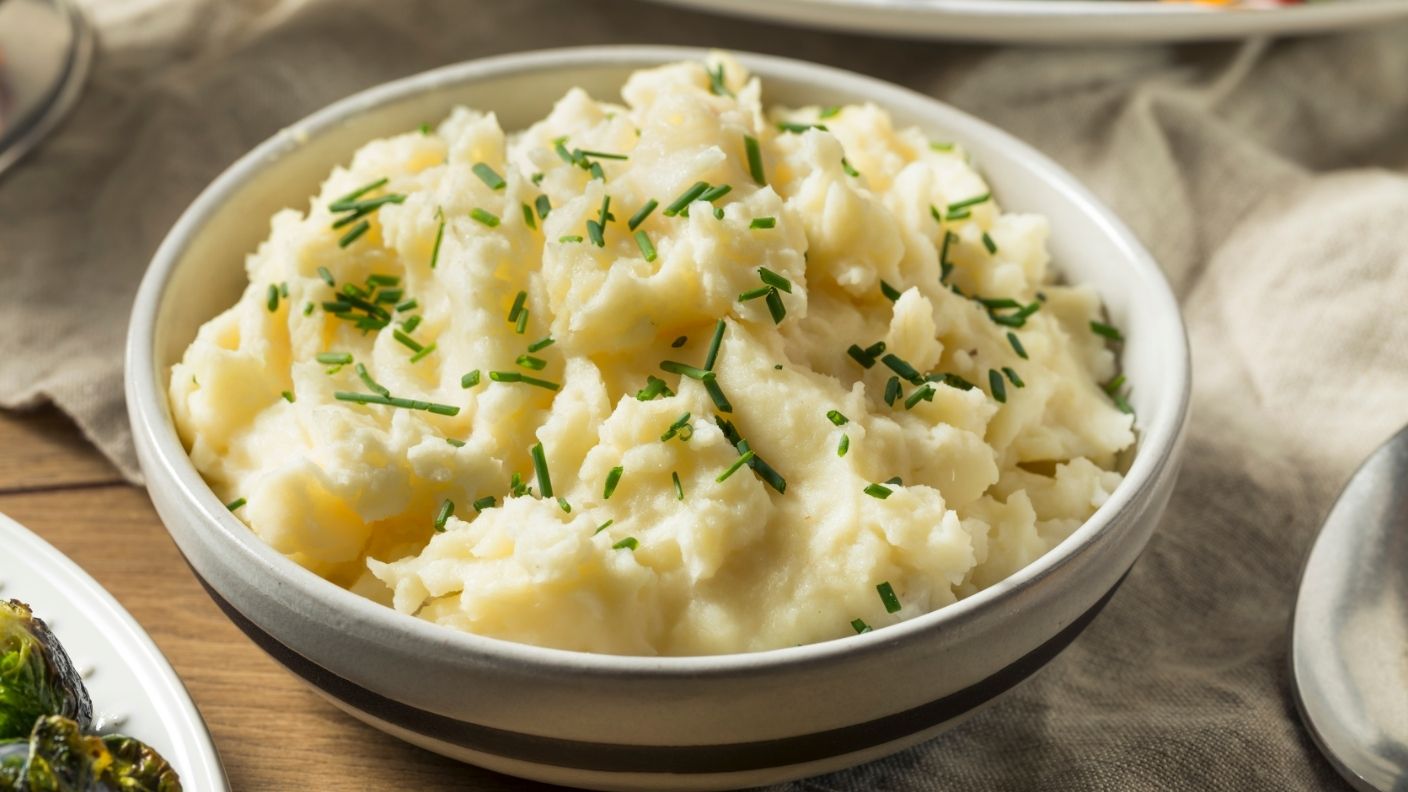
Mashed potatoes seem like one of the simplest side dishes around. Boil some potatoes, add butter and milk, mash, and you’re done.
Yet the version served at a good steakhouse or bistro often tastes noticeably richer, smoother, and more flavorful than anything coming out of a home kitchen. The difference usually comes down to a handful of techniques that professional cooks rely on without thinking twice.
Restaurants Use a Lot More Butter
The biggest secret behind restaurant mashed potatoes is simple: butter, and plenty of it. Many restaurant kitchens add far more than most home cooks would ever consider.
The famous French chef Joël Robuchon was known for a potato purée so rich that the butter made up a huge share of the dish. While you don’t need to go that far, adding a bit more butter than usual can make a dramatic difference in flavor and texture.
They Choose the Right Potato
Restaurant cooks often reach for Yukon Gold potatoes, which have a naturally buttery flavor and creamy texture. Some combine them with Russets for a lighter, fluffier result.
Waxy potatoes, like red potatoes, can turn gluey when mashed smooth. Starting with the right variety lays the foundation for better results.
The Water Is Properly Salted
Professional kitchens salt the cooking water generously, almost like pasta water. As the potatoes cook, they absorb that salt and become seasoned from the inside.
Salting only at the end often leaves potatoes tasting flat. Seasoning the water helps every bite taste well balanced.
They Start in Cold Water
Chefs typically place potatoes in cold water and bring everything to a boil together. That helps the potatoes cook evenly from the outside in.
Dropping them into already boiling water can leave the outside mushy while the center stays firm. Cutting pieces into similar sizes also helps them cook at the same rate.
Excess Moisture Gets Removed
After draining, restaurant cooks often return the potatoes to the hot pot for a minute or two. This lets extra steam escape and dries them out slightly.
Drier potatoes absorb butter and cream more easily. Watery potatoes, on the other hand, can taste diluted and turn soupy.
A Ricer Makes Them Silky
Many restaurants use a potato ricer or food mill instead of a masher. These tools press the potatoes into fine, fluffy strands without overworking them.
The result is a smooth, lump-free texture. It’s one of the easiest upgrades home cooks can make.
They Avoid Overmixing
Using a blender, food processor, or electric mixer can break down potato starch too much. That releases excess starch and creates a gluey, sticky texture.
Professionals mix gently, folding in butter and cream just until combined. A light hand keeps the potatoes creamy rather than pasty.
The Dairy Is Warmed First
Cold milk, cream, or butter can cool potatoes quickly and keep them from blending smoothly. Restaurants typically warm their dairy before adding it.
Warm ingredients absorb more evenly and help the potatoes stay hot. It also makes the final texture smoother.
Flavor Gets Infused Into the Cream
Some chefs steep garlic cloves, fresh thyme, rosemary, or bay leaves in warm cream before adding it to the potatoes. This adds subtle layers of flavor without leaving chunks behind.
Roasted garlic, browned butter, or a spoonful of sour cream or cream cheese can add even more richness. Small additions like these give restaurant potatoes their signature depth.
The Final Seasoning Matters
Restaurant cooks taste and adjust seasoning right before serving. A final pinch of salt, freshly ground white or black pepper, or a sprinkle of chives can make the dish shine.
Topping the potatoes with a pat of butter or a drizzle of melted butter adds a finishing touch. It’s a simple step that makes them look and taste restaurant-ready.
RELATED ARTICLE: Want Restaurant-Style Meals at Home? These 7 Kitchen Tricks Can Help
