


Why Your “Healthy” Meals Aren’t Mediterranean Enough

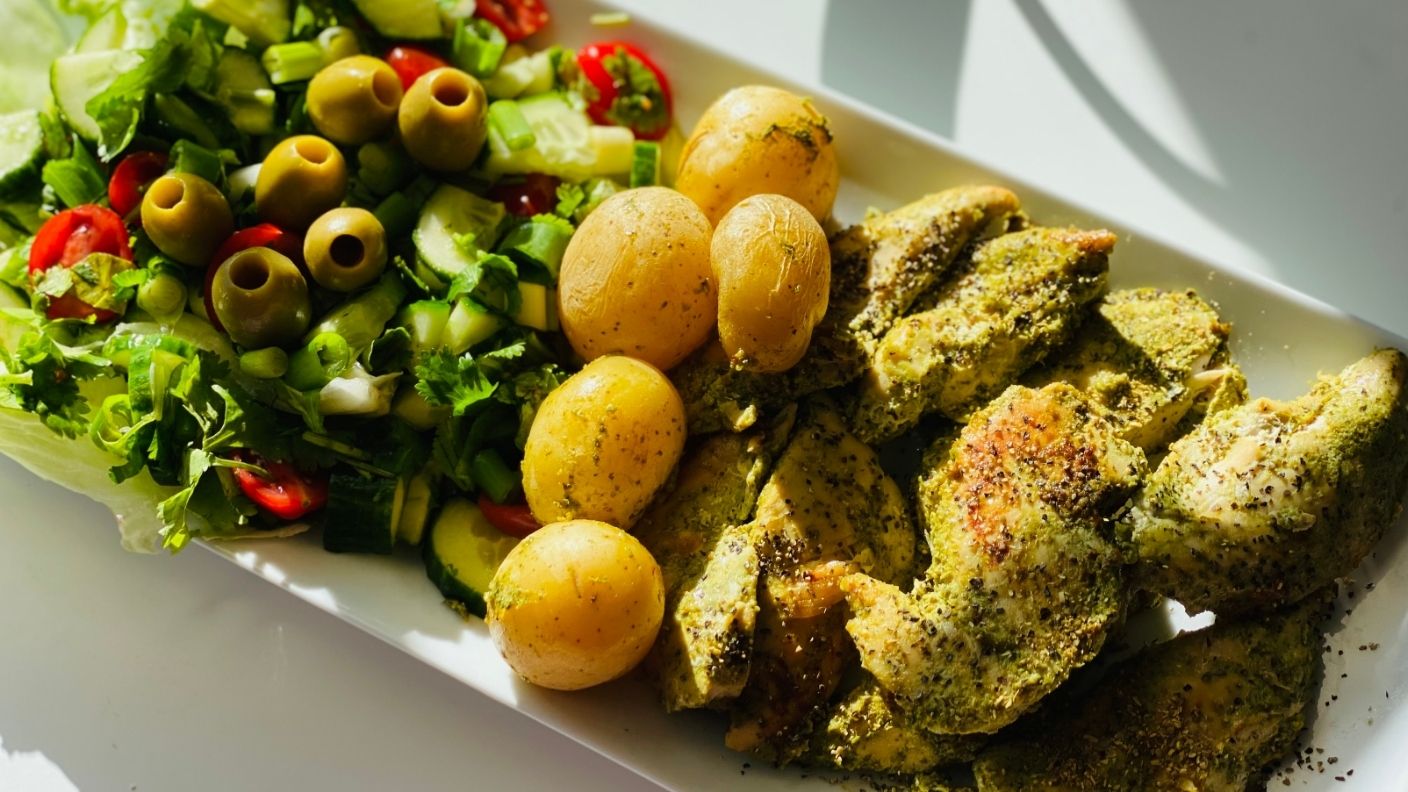

You’ve swapped butter for olive oil, started buying whole grain pasta, and added a salad to dinner most nights, which feels like it should count as eating Mediterranean.
But dietitians say a lot of these well intentioned meals are still missing the parts that actually make the Mediterranean diet work, and it’s usually not the obvious stuff.
Here’s where most healthy eaters are quietly falling short.
Vegetables Are Stuck Playing a Supporting Role
On the actual Mediterranean diet, vegetables are supposed to take up most of the plate instead of playing second fiddle to whatever protein happens to be sitting in the center.
Meat Is Taking Up Too Much Real Estate
In the actual Mediterranean region, meat is usually treated as a seasoning rather than the centerpiece of the meal, which is a pretty different approach than the meat heavy plates most people are used to.
The Healthy Label Is Doing a Lot of Convincing
Plenty of packaged foods marketed as Mediterranean or healthy are actually ultra processed products loaded with sodium and additives, which quietly cancels out a lot of the benefit people think they’re getting.
Portions Have Quietly Crept Up
A bowl of whole grain pasta still adds up fast, since piling on three cups can mean several hundred extra calories even when every ingredient technically counts as healthy.
Nobody’s Actually Sitting Down to Eat It
Meals in the Mediterranean are meant to be slow and social, and dietitians say rushing through dinner alone in front of a screen works against the diet’s entire purpose, even if the food on the plate is technically right.
None of this means you have to start from scratch. Loading up on vegetables, treating meat as a side note, and actually sitting down to eat are usually enough to close the gap between a healthy meal and a truly Mediterranean one.
RELATED ARTICLE: The “Everyday” Mediterranean Dinner You Can Make in 20 Minutes
