


Why Your Favorite Snacks Are Designed to Be Impossible to Resist

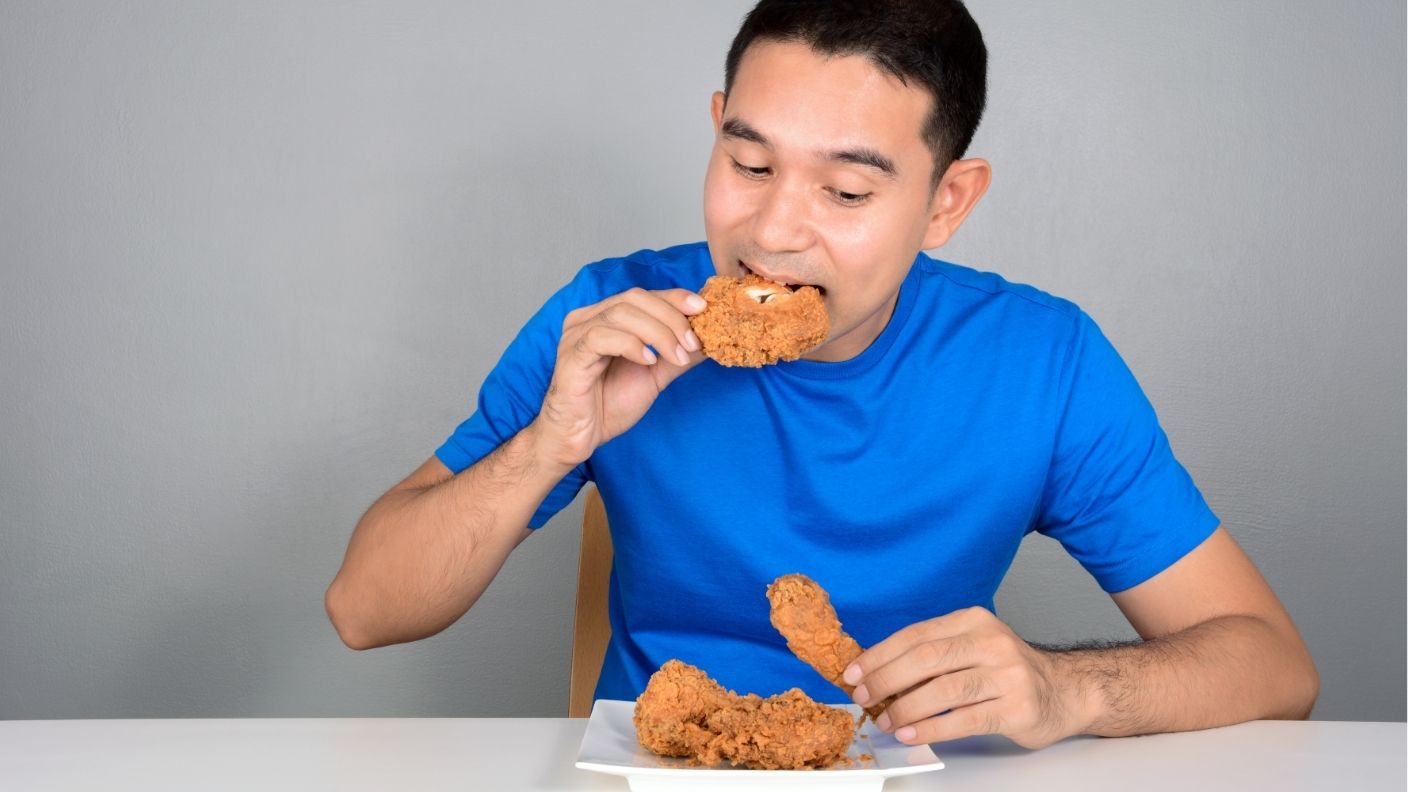

Biting into a chip and somehow finishing the whole bag before really registering it happening is a familiar, slightly embarrassing experience. Most people chalk it up to simple lack of willpower in the moment.
Researchers have actually identified a specific sensory trick built directly into how these snacks get engineered. Keep reading to see what it is and how deliberate it really is.
Scientists Actually Won An Award Studying The Crunch
The sound of a chip breaking between your teeth has been the subject of genuinely serious scientific study. Oxford professor Charles Spence actually won an award for research examining exactly this, having participants eat Pringles while wearing headphones that altered the sound of their own crunching in real time.
When the crunch sound was made louder, participants rated the same chips as noticeably fresher and crispier than when the sound was dampened. That result showed sound alone can change how a snack is actually perceived, independent of anything about the chip itself.
A Louder Crunch Tricks The Brain Into Tasting Freshness
The reason a loud crunch works so well traces back to a much older survival instinct. Spence has explained that noisy foods tend to correlate with freshness, since fresher produce like apples or celery naturally makes more sound and retains more nutrients.
That signal gets slightly misapplied when it comes to something like a fried potato chip, but the brain still responds to it the same way. Manufacturers who engineer a louder, crisper crunch are tapping directly into that ancient shortcut for judging quality.
Some Snacks Are Built To Feel Like They Disappear
Beyond sound, some snacks are engineered around a completely different sensory trick. Food scientist Steven Witherly described a phenomenon called vanishing caloric density, where puffed or extruded snacks are built to dissolve almost instantly in the mouth, creating the sensation that the food has practically disappeared.
The crunch arrives, the flavor hits, and then there is nothing left in the mouth almost immediately. That rapid disappearance is not an accident of the manufacturing process, it is a deliberate part of what makes certain snacks feel so easy to keep eating.
That Disappearing Act Delays The Signal To Stop Eating
That disappearing sensation directly interferes with how the brain tracks how much has actually been eaten. Researchers have said this effect signals to the brain that fewer calories are being consumed than actually are, encouraging people to keep eating well past the point their body would normally send a fullness signal.
That gap between how full a food feels and how many calories it actually delivers is exactly what makes certain snacks so easy to overeat without noticing. The calories never really vanished, only the sensation of having eaten them did.
So the next time an entire bag of chips disappears faster than expected, remember an actual team of scientists spent years engineering exactly that reaction. Sometimes the hardest snack to put down was never really about willpower at all, it was built that way on purpose.
RELATED ARTICLE: The Snack Rule That Makes Healthy Choices Feel Less Like Rules
