


Why Women Over 40 Are Suddenly Freezing Their Bread

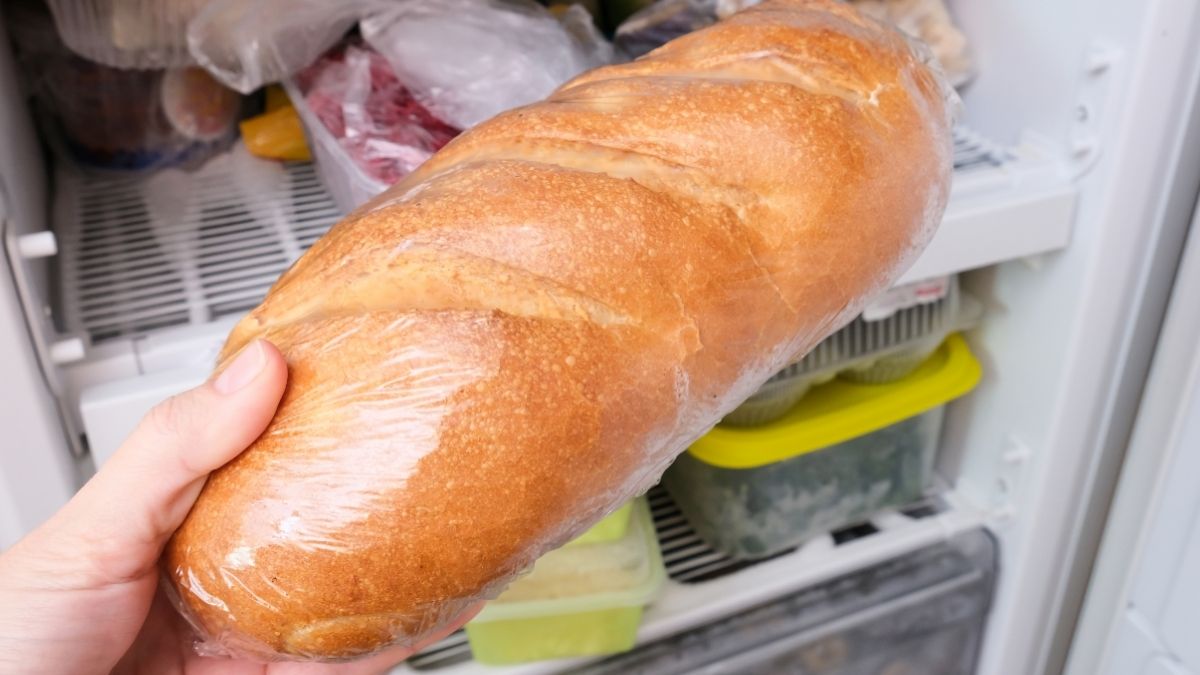

Your morning toast might be hiding a surprisingly powerful secret. Women across social media are quietly swapping their fresh loaves for the freezer, and it turns out the science behind it is far more interesting than anyone expected. Before you dismiss it as another wellness gimmick, there is something here worth knowing about.
The Freezer Trick Nobody Taught You
When bread is frozen, the starches inside undergo a chemical process called retrogradation, reorganizing into a form called resistant starch. That single shift changes everything about how your body handles that slice of sourdough.
Instead of breaking down quickly into glucose, resistant starch moves slowly through your digestive system, acting a lot like fiber. As a result, you get a gentler rise in blood sugar, fewer energy crashes, and bonus food for your gut bacteria.
In other words, your freezer is quietly doing your metabolism a favor.
The Science Is Actually Real
This is not just influencer talk. A study in the European Journal of Clinical Nutrition found that freezing and then defrosting bread significantly reduced the blood sugar response compared to fresh bread.
Research spanning multiple years confirmed the same thing, including a 2023 trial published in Novelty in Clinical Medicine, which showed that participants who ate frozen and reheated bread had a lower glycemic response than those who ate fresh bread.
Multiple studies, over multiple years, all pointing in the same direction.
Why Women Over 40 Are Especially Paying Attention
Unlike regular starch, resistant starch bypasses digestion in the small intestine, avoiding blood sugar spikes, more fat storage, and more frequent energy crashes. Instead, it travels to the colon, where it acts as a prebiotic, feeding the gut.
For women navigating hormonal shifts, that distinction matters more than most people realize. Think of resistant starch as a slow-burning carb that helps your metabolism and gut rather than a fast-burning sugar bomb.
The Toast-From-Frozen Plot Twist
Here is where it gets even better. Toasting straight from frozen rather than thawing first enhances the resistant starch benefit even more.
Combining freezing, defrosting, and then toasting results in the most substantial reduction in blood sugar response. So the people skipping the thaw step are actually onto something.
The extra resistant starch can improve gut health, support weight management by improving satiety, and even reduce calorie absorption since resistant starch is not fully digested.
Does the Type of Bread Matter?
Yes, and this is the part most viral posts quietly skip. The type of bread you choose still matters far more than whether it was frozen. Whole grain and sourdough already have a lower glycemic index, so freezing makes the difference even more meaningful.
Sourdough has a naturally lower GI compared to industrial bread, making it the ideal candidate for your new freezer habit.
The beauty of this trick is how genuinely low-effort it is. No supplements, no expensive wellness products, no overhauling your entire kitchen. Just a loaf of good bread, a freezer, and a toaster doing the quiet work of supporting your gut, your blood sugar, and your energy all at once.
RELATED ARTICLE: The Mediterranean Snack Women Over 40 Are Suddenly Obsessed With
