


Why Women Over 40 Are Adding More Protein Than Ever

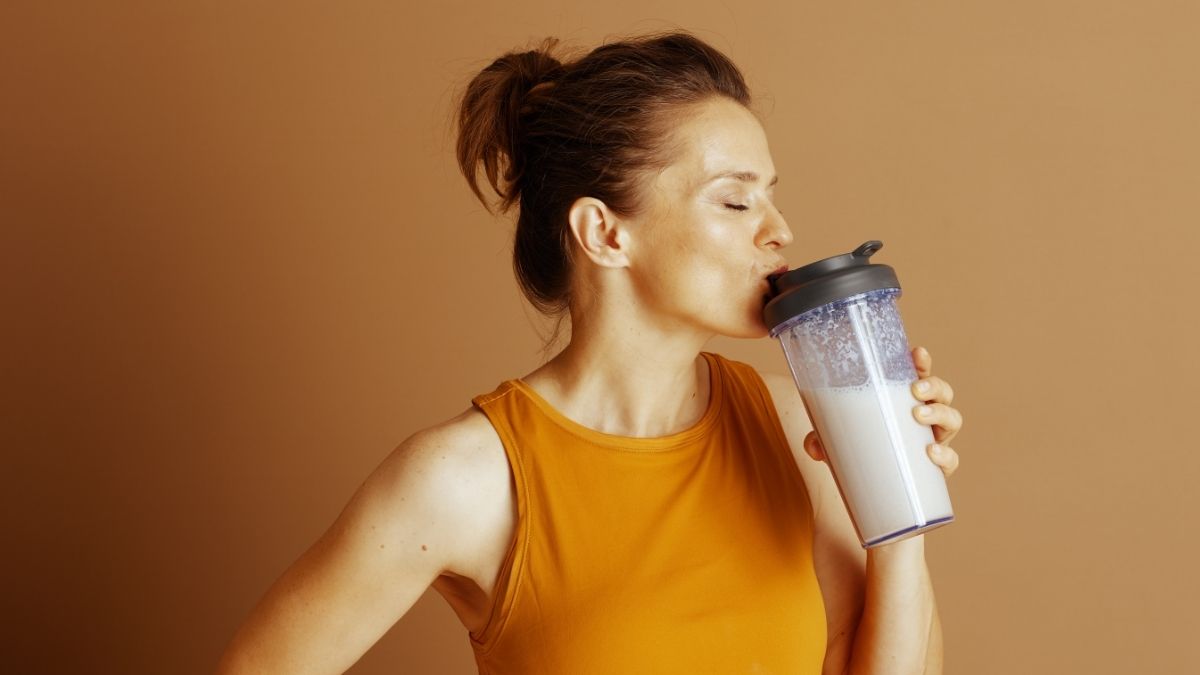

Something has shifted in the way women think about food after forty, and it is not another diet trend dressed up in new packaging. It is a genuine, science-backed rethink of one of the most fundamental building blocks on the plate.
Protein has quietly moved from the world of athletes and bodybuilders into the everyday conversations of women who simply want to feel strong, energized, and in control of how they age. And the reasons why are more compelling than most people realize.
The Body Starts Working Against You
Here is what nobody explains clearly enough. Around the time perimenopause begins, women lose roughly 0.6 percent of their muscle mass every single year, and the decline can start even before periods stop. It is quiet, gradual, and easy to mistake for something else entirely.
A cross-sectional study found that sarcopenia, the medical term for age-related muscle loss, jumped from affecting just 3 percent of women in early perimenopause to 30 percent in late perimenopause. That shift happens during the transition, not decades later.
Why the Old Protein Rules No Longer Apply
The standard government recommendation of 0.8 grams of protein per kilogram of body weight was designed to prevent deficiency. It was not designed for a woman in her forties trying to preserve or rebuild muscle through a significant hormonal shift.
Research supports a target of 1.2 to 1.6 grams per kilogram of body weight daily for this population, and a 2025 clinical trial found that 1.2 g per kilogram was significantly more effective than the standard recommendation at preserving muscle mass, reducing fat infiltration, and improving grip strength in women over just 12 weeks.
It Is Not Just About Muscle
The protein conversation goes well beyond what happens at the gym. Higher protein intake has been linked to better glucose regulation, enhanced fat metabolism, and increased satiety, making it a genuinely strategic nutritional tool for healthy aging that works on multiple levels at once.
Women in the higher protein group of recent trials also saw greater reductions in waist circumference and fat mass compared to those eating standard amounts, without any dramatic dietary overhaul.
The Hormonal Connection
Estrogen plays a much bigger role in muscle health than most people know. As ovarian estrogen production declines, it triggers increases in visceral fat and decreases in both bone density and muscle mass, creating a cascade of physical changes that protein intake can meaningfully help offset.
Leading researchers now suggest that older women actually experience a reduced muscle protein synthesis response after eating, meaning the body becomes less efficient at using the protein it receives, making adequate intake even more important, not less.
Women Are Driving the Protein Shift
This is showing up in the data in a way that would have seemed surprising just a few years ago. Women now account for 51 percent of consumers globally who are actively seeking to boost their protein intake, according to Euromonitor International, a number driven by growing awareness of what protein actually does for overall health and longevity.
Overall, 61 percent of Americans increased their protein intake in 2024, up from just 48 percent in 2019, and it is women who are driving much of that change, quietly rewriting the rules of what a healthy plate looks like after forty.
The shift is not about eating more. It is about eating smarter, understanding what the body needs at this stage of life, and giving it exactly that.
RELATED ARTICLE: The Secret Breakfast Habit of Women Who Age Well
