


Why Serving Food Family Style May Matter More Than You Think


Most conversations about feeding kids focus entirely on what ends up on the plate, more vegetables, less sugar, better balance. Almost nobody talks about how that food actually gets there in the first place.
Researchers have found that the actual style of serving a meal carries real weight of its own. Keep reading to see why something as simple as passing dishes around the table matters more than it seems.
Self Serving Teaches Kids To Read Their Own Hunger
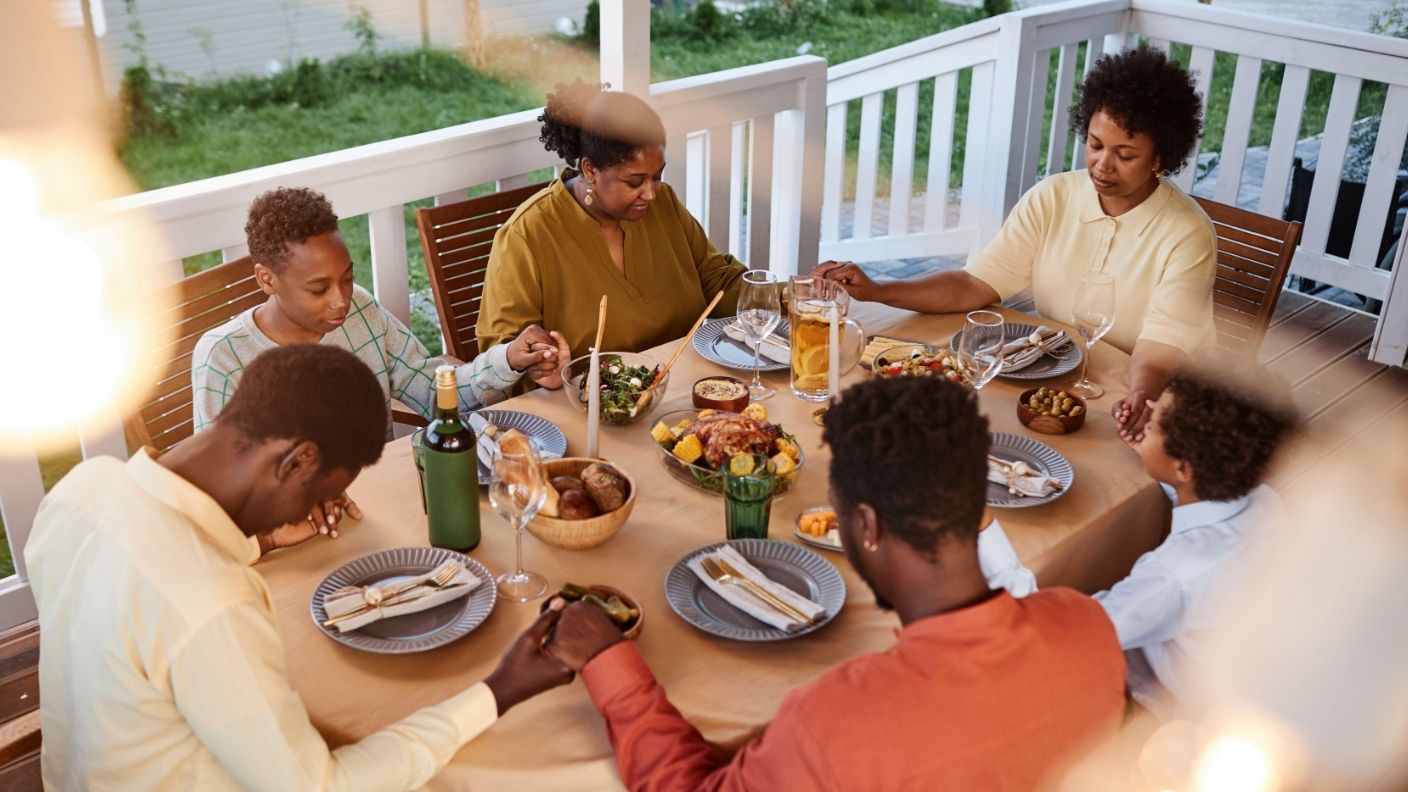
Family style serving means placing food in the middle of the table and letting everyone, kids included, serve themselves rather than filling plates in advance. Researchers describe this approach as a form of responsive feeding, where children get to decide how much they actually eat rather than having that decision made for them.
That small shift gives kids practice reading their own hunger and fullness cues early on. Over time, that skill tends to matter more for a healthy relationship with food than any specific meal plan ever could.
It Changes The Parent’s Role At The Table Too
Family style serving does not just change what kids experience, it changes what parents do too. Research has found that families using family style meals were the least likely of any feeding approach to rely on restriction around food.
That shift matters because heavy restriction has repeatedly been linked to worse outcomes around eating over time. Letting go of some control at the serving stage, oddly enough, tends to lead to calmer, more balanced eating overall.
One Study Found A Surprising Twist
Not every piece of this idea works exactly the way people expect. A controlled trial at a Head Start center found that serving fruit before the rest of the meal increased how much fruit kids actually ate, but doing the same with vegetables did not produce the same boost.
That distinction suggests family style serving is not automatically a fix for every food group. Fruit responded well to that small change in order, while vegetables needed something more than sequencing alone.
The Benefits Go Beyond Just The Food
Family style meals do more than shape what ends up eaten, they shape the whole atmosphere of dinner. Passing dishes and talking through the meal creates natural opportunities for conversation and connection that a pre-plated dinner does not offer in quite the same way.
There is also a quieter psychological benefit, seeing food openly available at the table can reassure kids there is enough to go around. That sense of abundance, rather than scarcity, tends to make mealtime feel less tense for everyone involved.
So if dinner has always meant plating everything in the kitchen before it hits the table, passing dishes around instead might be worth trying. Sometimes how food gets served matters just as much as what actually ends up on the plate.
RELATED ARTICLE: Easy Family Dinner Recipes Using Simple Ingredients That Everyone Will Enjoy
