


Why Protein Becomes More Important With Age

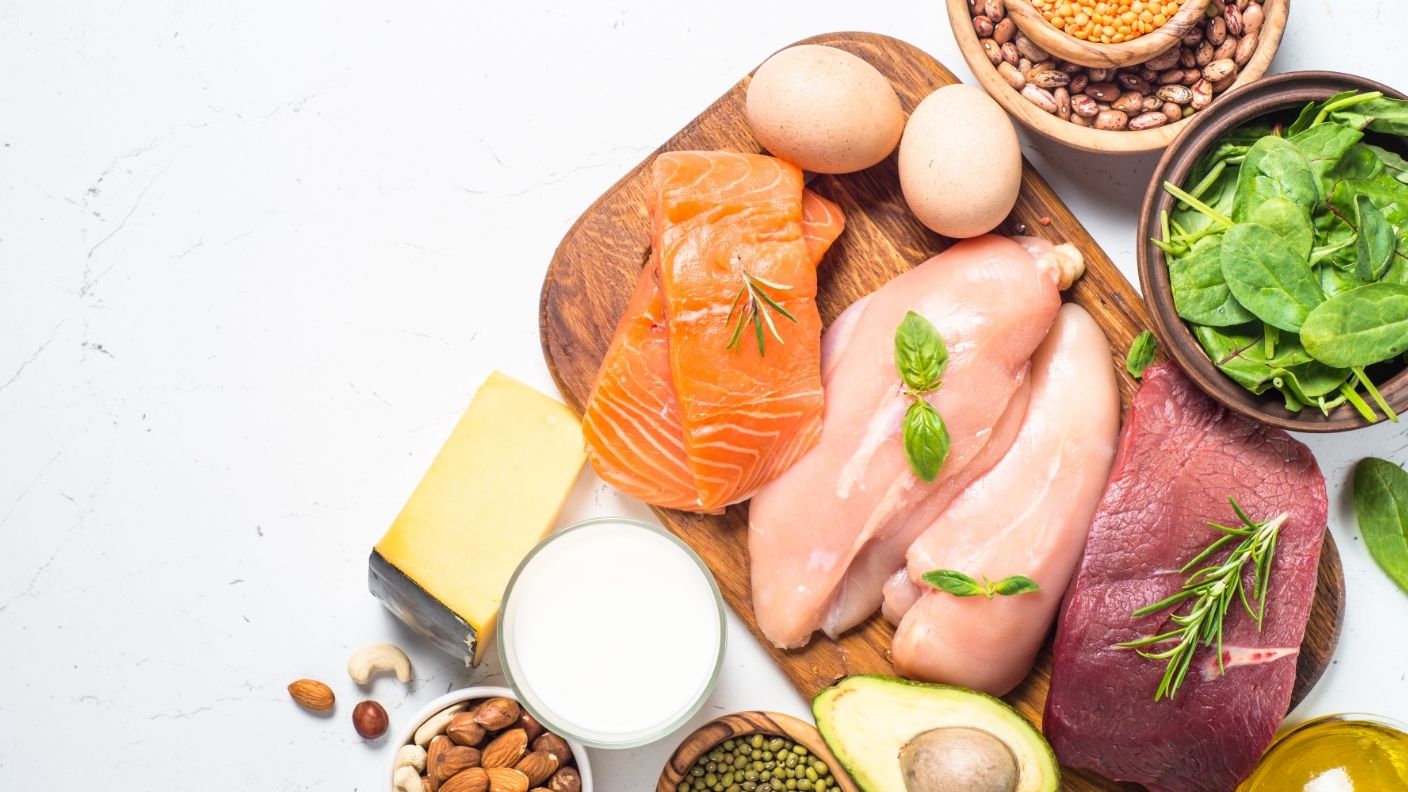

Nutrition advice for older adults keeps circling back to the same instruction, eat more protein. What rarely gets explained is the actual biological reason why the same amount that worked fine at 30 stops being enough by 60 or 70.
The answer is not simply that older bodies need more fuel in general. Something specific changes at the cellular level in how muscle actually responds to protein once it arrives.
Researchers have a name for that shift, and understanding it explains why so much conventional protein advice falls short for older adults. Here is the real reason protein becomes more important with age.
The Muscle Starts Ignoring The Signal
The phenomenon is called anabolic resistance, a documented decline in how effectively aging muscle responds to the normal triggers for building new protein, according to a clinical guideline from ESPEN. Younger muscle turns dietary protein into new tissue fairly efficiently, while older muscle needs a noticeably bigger dose to produce the same effect.
Several separate mechanisms feed into this resistance at once. Reduced blood flow to muscle after eating, slower digestion, and weaker anabolic signaling inside muscle cells all chip away at how much of a meal’s protein actually gets put to use.
Why The Same Meal Stops Working As Well
Researchers have found that older adults may need roughly 0.40 grams per kilogram of body weight in a single meal just to maximally stimulate muscle building, a noticeably higher per meal threshold than younger adults require. Falling short of that amount at any given meal means the protein largely gets used for other purposes instead of maintaining muscle.
Leucine, a specific amino acid found concentrated in foods like meat, dairy and eggs, plays an outsized role in triggering the process that turns protein into new muscle. Diets that skimp on leucine specifically tend to blunt the anabolic response even further in older adults, according to a review published in Nutrients.
What Actually Helps Break Through It
Pairing protein intake with resistance exercise appears to meaningfully improve how well older muscle responds, essentially working around some of the resistance rather than eliminating it.
Even lower intensity, higher volume resistance training has been shown to trigger a similar protein building response as traditional heavy lifting in older adults.
Emerging research has also pointed to the gut microbiome as an unexpected player in this whole process, sometimes called the gut muscle axis. Diets rich in fiber that support a diverse gut microbiome may help ease anabolic resistance indirectly, according to a review published on PMC.
None of this means older adults are somehow failing at nutrition by needing more protein than they used to. It simply means the target has genuinely moved, and hitting it now takes a bit more food, spread a bit more evenly, paired with movement that helps the signal actually get through.
RELATED ARTICLE: The Best Protein Sources After 50
