


Why Nuts and Olive Oil Are Doing More for You Than You Think

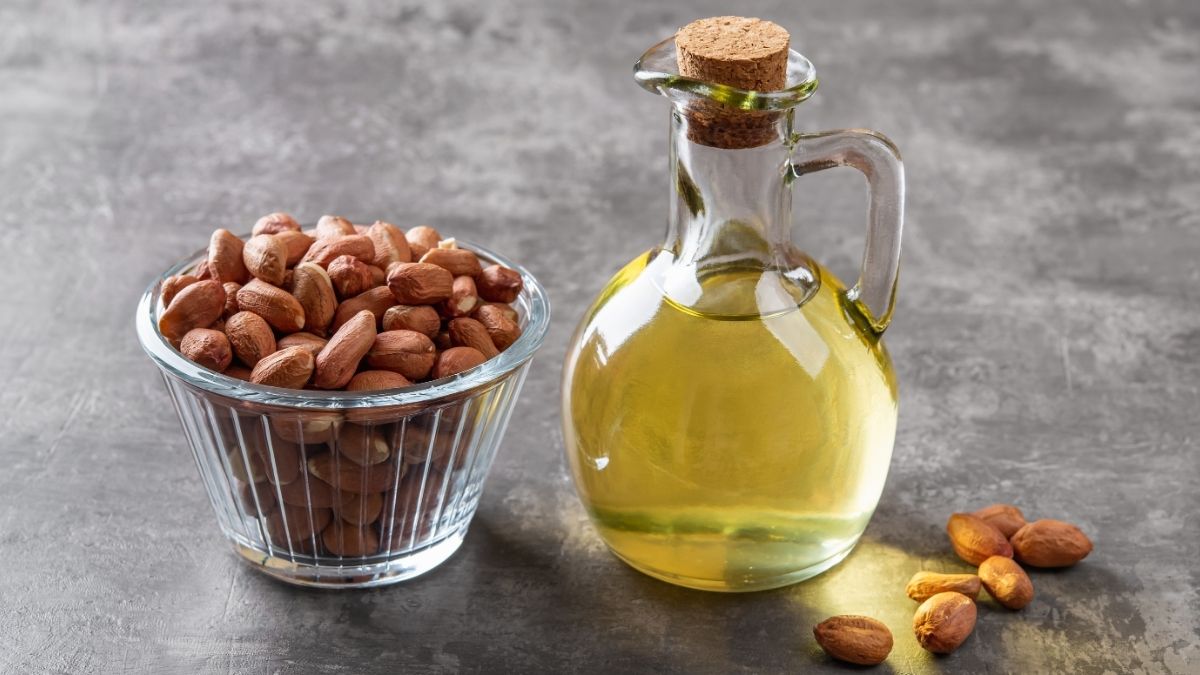

Most people reach for a handful of almonds or drizzle olive oil over a salad without giving it much thought. They know it’s probably fine. Maybe even good. What they likely do not know is the sheer volume of research quietly accumulating behind both of these foods, and how far the benefits now extend beyond basic nutrition.
They Are Reshaping What We Know About Heart Disease
The landmark PREDIMED trial, one of the most comprehensive cardiovascular nutrition studies ever conducted, found that a Mediterranean diet supplemented with extra virgin olive oil reduced the risk of cardiovascular events by 31 percent in people at high cardiac risk.
Higher olive oil consumption was also associated with a 48 percent reduction in cardiovascular mortality in the same study.
Nuts tell a similar story. An intake of 28 grams of nuts per day, roughly a small handful, was associated with a 21 percent reduction in cardiovascular disease risk across a large umbrella review of research covering hundreds of thousands of people.
The Harvard Adventist Health Study tracking nearly 120,000 participants over 30 years found that people who ate nuts every day were 20 percent less likely to die during the study period compared to those who rarely or never ate them.
The Dementia Connection That Caught Scientists Off Guard
Perhaps the most striking recent finding is the link to brain health. A 2024 Harvard study published in JAMA Network Open followed more than 92,000 American adults and found that those who consumed at least half a tablespoon of olive oil per day had a 28 percent lower risk of dying from dementia, regardless of their genetic predisposition or overall diet quality.
That last detail matters enormously. The protection appeared even in the absence of an otherwise healthy diet.
Olive oil’s polyphenols, particularly a compound called oleocanthal, appear to reduce the buildup of harmful plaques associated with Alzheimer’s disease, ease inflammation in the brain, and support neurotransmitter function. The research is still developing, but the signal is unusually strong.
Cancer Risk Is Lower Too
The benefits keep extending into territory most people associate with far more dramatic interventions.
A handful of nuts daily was associated with a 15 percent lower risk of cancer deaths and a particularly significant reduction in colon cancer risk, according to research published in BMC Medicine analyzing data from more than 800,000 people.
Olive oil contributes through a different but complementary mechanism. Oleocanthal, the same polyphenol linked to brain protection, has been shown in laboratory studies to selectively damage cancer cell lysosomes, triggering cancer cell death without harming healthy cells.
In the PREDIMED secondary analysis, women consuming a Mediterranean diet with extra virgin olive oil had lower rates of invasive breast cancer compared to the control group over five years.
The Inflammation Angle
Both foods work, in part, by attacking chronic inflammation, which researchers now understand as a root driver of everything from heart disease to depression to accelerated aging. Olive oil’s main anti-inflammatory mechanism comes from its antioxidants, with oleocanthal functioning in a way biochemically similar to ibuprofen at typical dietary doses.
Nuts contribute through their combination of healthy fats, antioxidants, fiber, and phytochemicals, all working together to support healthy cell function and help the body manage oxidative stress.
The Buck Institute for Research on Aging has highlighted nut consumption as one of the most consistently supported dietary habits in longevity research.
They Will Not Make You Gain Weight
This is the concern that holds most people back, and the research is clear on it. Study after study has shown that adding nuts to your diet does not lead to weight gain and may in fact cause people to eat less overall. Nuts promote satiety, slow digestion, and not all of their fat is even absorbed by the body.
The combination of all of this makes for a fairly unusual story in nutrition science, a space notorious for contradictory findings and reversed advice.
Two foods that have been eaten for thousands of years, that require no special preparation or timing, and that consistently show up across independent studies in dozens of countries, pointing in the same direction.
A small handful of nuts. A daily drizzle of good olive oil. The return on that investment, it turns out, is surprisingly high.
