


Why More Shoppers Are Turning to Secondhand Stores for Things They Once Bought New

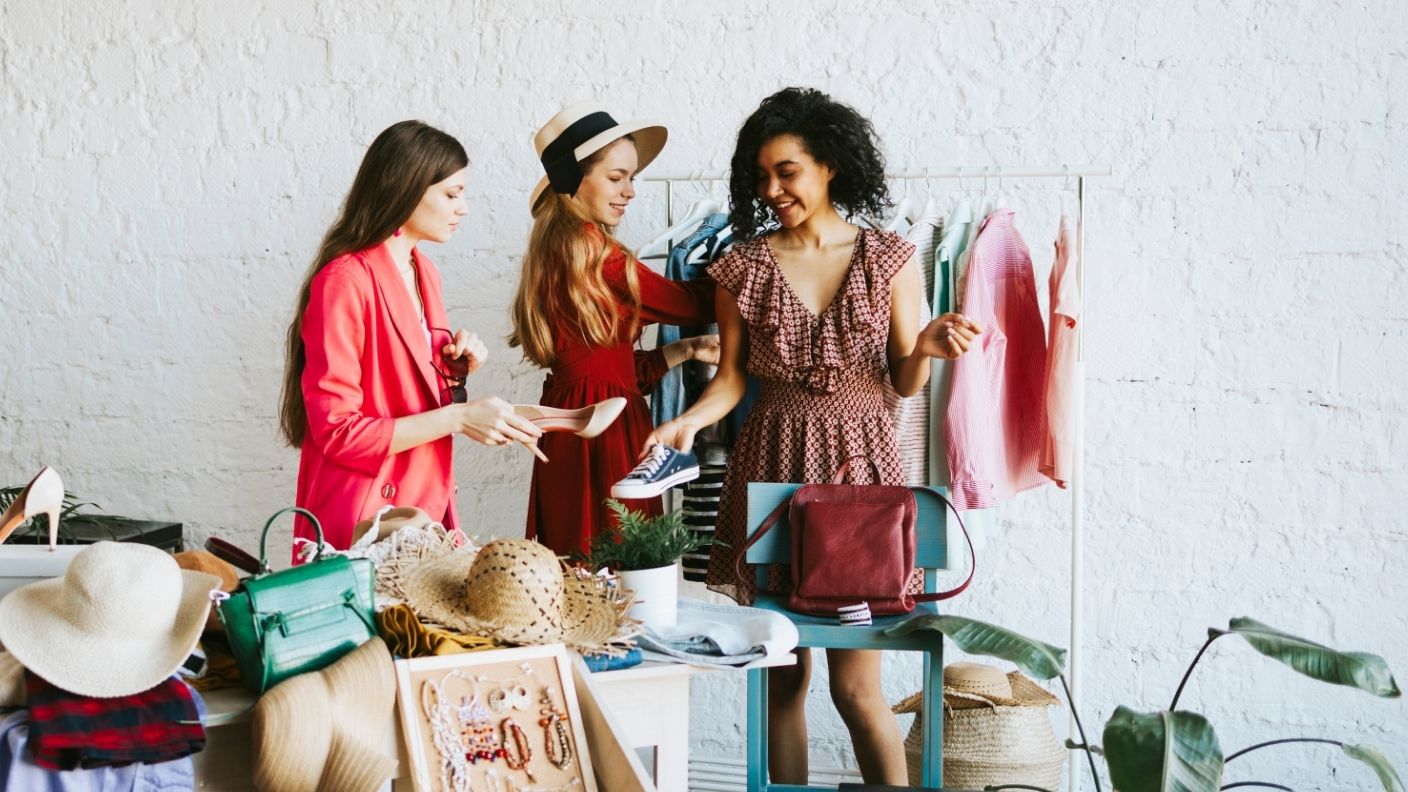

Not long ago, many people only stepped into thrift stores for Halloween costumes or quirky vintage finds. Buying secondhand often carried a stigma, seen as something people did only when they had no other choice.
That attitude has changed dramatically. Today, shoppers of every income level are browsing resale apps, thrift racks, and online marketplaces for clothing, furniture, kitchen gear, and electronics they once would have bought brand new.
The Numbers Show a Big Shift
According to ThredUp’s 2026 Resale Report, conducted with retail analytics firm GlobalData, the U.S. secondhand clothing market grew 19 percent in 2025. That was its strongest growth since 2021 and far outpaced the broader clothing market.
The same report found that 59 percent of consumers bought secondhand clothing in 2025. Globally, the secondhand clothing market is projected to reach about $393 billion by 2030.
Prices Keep Climbing
Rising costs for everyday essentials have pushed many households to look for ways to stretch their budgets. Secondhand shopping offers a way to buy what they need for a fraction of the retail price.
Clothing, furniture, and home goods are some of the easiest categories to save on. Many shoppers find barely used or even brand-new items with the tags still attached.
The Thrill of the Hunt
For many people, secondhand shopping is genuinely fun. There’s a sense of excitement in never knowing what you’ll find, whether it’s a designer jacket, a vintage lamp, or a rare record.
That treasure-hunt feeling keeps shoppers coming back. Unlike traditional stores with predictable inventory, every visit can feel different.
Older Items Can Be Better Made
Many shoppers believe some older products were built to last longer than their newer counterparts. Solid wood furniture, wool coats, and well-made kitchen tools can hold up for decades.
Thrift stores and estate sales are popular places to find durable pieces like cast-iron skillets, vintage glass bakeware, and enameled cookware. With a little cleaning, these items often work just as well as new.
Concern About Waste Is Growing
Many consumers are increasingly aware of how much clothing and household goods end up in landfills. Buying secondhand extends the life of products that might otherwise be thrown away.
It also reduces demand for new manufacturing, which requires energy, water, and raw materials. For eco-conscious shoppers, resale feels like a practical way to cut waste.
Apps Make It Easier Than Ever
Online platforms have transformed secondhand shopping. Resale apps and websites let people browse thousands of listings, filter by size and brand, and have items shipped to their door.
Local marketplace apps also make it easy to find furniture, appliances, and baby gear nearby. Selling unwanted items has become just as simple, encouraging more people to participate.
Social Media Fuels the Trend
ThredUp’s report found that nearly half of shoppers discover resale items through social media feeds, content creators, or in-person browsing. Thrift hauls and makeover videos have helped make secondhand shopping trendy.
Many creators show how to style vintage finds or flip old furniture into something new. That visibility has helped erase much of the old stigma.
Younger Shoppers Are Leading the Way
Gen Z and millennials are driving much of the growth in resale. ThredUp’s report projects these groups will account for more than 70 percent of the secondhand market’s growth through 2030.
Many younger shoppers grew up with resale apps and see buying used as normal. For them, secondhand shopping is part of everyday life rather than a backup plan.
Brands Are Getting Involved
A growing number of retailers now run their own resale or trade-in programs. Customers can return used items for store credit, and the products are cleaned, inspected, and resold.
These programs give shoppers more confidence in the quality of secondhand goods. They also show that major brands see resale as a lasting part of retail.
Some Things Are Better Bought New
Not everything is a smart secondhand purchase. Safety experts generally recommend buying car seats, bike helmets, and cribs new, since damage or recalls may not be obvious.
Mattresses, scratched nonstick pans, and some electronics without warranties may also be worth buying new. Checking for recalls and inspecting items carefully helps avoid problems.
Tips for Shopping Secondhand
Visiting thrift stores often helps you catch new arrivals before they’re gone. Shopping in wealthier neighborhoods or near college towns can also turn up higher-quality items.
Before buying, check for stains, damage, and missing parts. For online purchases, read seller reviews and ask questions to make sure you know exactly what you’re getting.
RELATED ARTICLE: 9 Grocery Store Foods That Can Help You Save Money
