


Why More People Are Choosing Organic Food: Taste Is Only One Reason

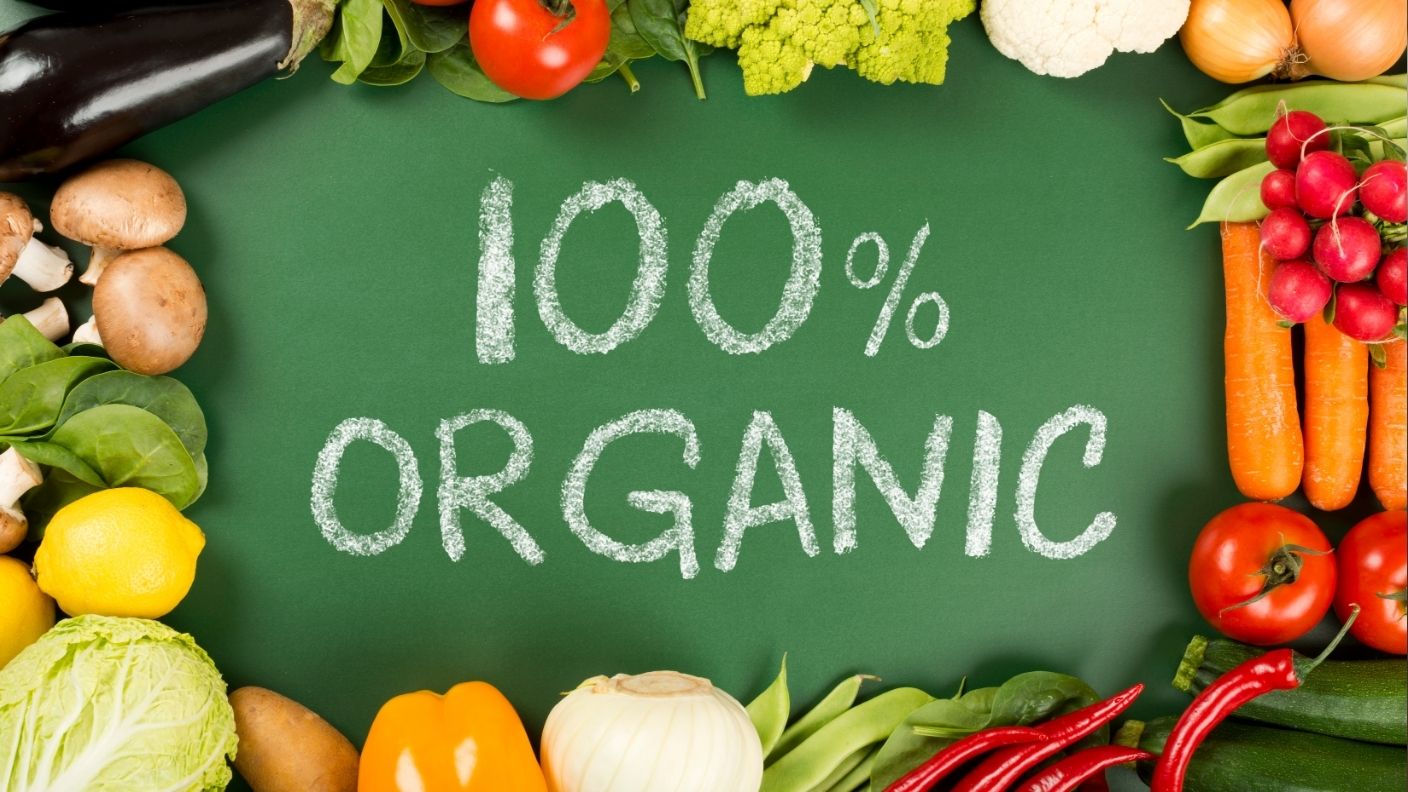

Organic sections in grocery stores have expanded well beyond a small corner of specialty produce. Taste gets credited a lot in that shift, but it’s rarely the reason people reach for the higher price tag in the first place.
Pesticide Exposure Tops the List
Surveys consistently point to avoiding pesticide residue as the number one reason people choose organic food. Research analyzing hundreds of studies has found pesticide residues show up roughly four times as often on conventional crops compared to organic ones.
That gap matters most to people already trying to reduce overall chemical exposure, whether for themselves or their kids. It’s a concrete, measurable difference rather than a vague wellness preference.
The Nutrition Difference Is Smaller Than Assumed
It’s worth being honest here: most studies comparing organic and conventional produce find only minor differences in core vitamin and mineral content. The idea that organic food is dramatically more nutritious doesn’t hold up well under closer research.
That doesn’t make the choice pointless, it just means the actual benefit lies elsewhere. Pesticide reduction and farming practices matter more to most of the current evidence than nutrient counts do.
It’s Also About What’s Missing From the Farm
Organic certification rules out synthetic fertilizers, genetically modified ingredients, and food irradiation, along with growth hormones and routine antibiotics in animal products. For a lot of buyers, that absence matters as much as anything present in the food itself.
It’s less about chasing a specific nutrient and more about avoiding a list of inputs some people would rather not have anywhere near their meals.
Environmental Impact Is a Growing Motivator
Beyond personal health, a large share of organic buyers are motivated by concerns about biodiversity, soil health, and the broader environmental footprint of conventional farming. Organic practices tend to rely less on synthetic chemical inputs that can affect soil and water quality over time.
That environmental angle has grown alongside general awareness of agriculture’s role in climate and ecosystem health. It’s less about any single meal and more about the systems producing food at scale.
Animal Welfare Plays a Real Role Too
For organic animal products specifically, certification standards generally require more humane treatment and living conditions for livestock. That’s a separate motivator from either health or environmental concerns, tied more directly to how animals are raised.
Shoppers who care about this angle often extend the same values from clothing or other purchases into their grocery cart, looking for a label that reflects a broader set of ethics rather than just ingredients.
The People Who Buy Organic Tend to Eat Differently Overall
Here’s an honest complication in the research: people who buy organic food also tend to be more physically active, less likely to smoke, and generally follow healthier eating patterns overall. That makes it genuinely hard to separate the effects of organic food itself from the broader lifestyle habits of the people buying it.
None of that erases the documented pesticide differences, but it does mean some of the health benefits credited to organic food may actually reflect the habits of the people choosing it in the first place.
RELATED ARTICLE: Why Are Edible Leaves & Seeds Becoming Increasingly Popular Among Home Gardeners?
