


Why Japanese Women Rarely Skip This One Daily Food

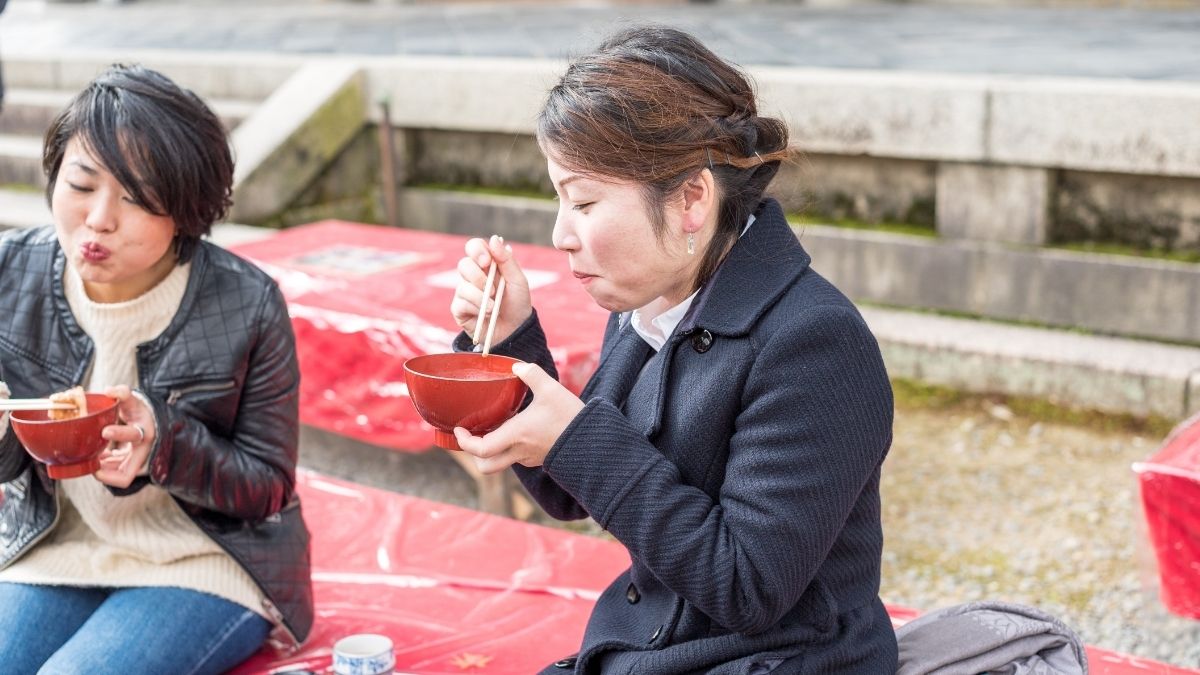

Japan consistently ranks among the countries with the longest-living women on earth, and researchers have spent decades trying to figure out exactly why. The diet plays a massive role, but one food keeps showing up in study after study, sitting quietly at the breakfast table, rarely getting the credit it deserves.
It is so ordinary in Japan that most people barely think of it as a health food at all.
A Food With Eighteen Centuries of History
Miso soup has been eaten in Japan for roughly 1,800 years, and most people there still have it every single day. There is even an old Japanese proverb that translates to “miso soup is a medicine for perpetual youth and longevity,” which turns out to be less poetic exaggeration and more nutritional fact.
Miso is a fermented paste made from soybeans, and the fermentation process produces probiotics that balance gut health and strengthen the immune system.
It also generates around 400 distinct health-promoting compounds, which is a staggering number for something that looks like a humble bowl of broth.
What It Does to Your Skin
This is where things get genuinely interesting for anyone thinking about aging. Miso contains 18 types of amino acids, including lysine and proline, which are essential building blocks for collagen production in the skin.
Research from Tokyo University of Technology also found that miso has a component that increases ceramide levels in the skin, which is crucial for keeping skin hydrated and plump.
A clinical study confirmed that women who consumed miso soup daily showed significantly improved skin elasticity, hydration, and texture compared to those who did not.
The Longevity Research
The skin benefits alone are compelling, but the longevity data is what makes scientists pay close attention. A large study found that women who ate the most fermented soy had an eleven percent lower risk of premature death from all causes.
A major thirteen-year study by Japan’s National Cancer Center involving over 265,000 people found that daily miso soup drinkers were 33 percent less likely to develop stomach cancer.
Separate research published in a prospective cohort study found that frequent miso soup consumption was associated with a lower risk of strokes and heart attacks in Japanese women specifically.
The isoflavones in miso also appear to ease hot flashes and support bone density, making it particularly valuable for women navigating hormonal changes.
A food that simultaneously supports the gut, the skin, the heart, and long-term health all in one daily bowl is a rare thing. And Japanese women have quietly known this for centuries.
RELATED ARTICLE: 7 “Blue Zone” Foods to Start Eating Now
