


Why Everyone Suddenly Cares About “Ultra-Processed” Food Labels


Not long ago, most shoppers judged packaged food by a handful of numbers: calories, fat, maybe sugar. Few people had ever heard the phrase “ultra-processed,” let alone checked a cereal box for it.
Now the term shows up everywhere, from grocery aisles and social media feeds to state legislatures and federal agencies. The sudden attention didn’t come out of nowhere, and the next few months could change how food is labeled across the country.
Where the Term Actually Came From
The phrase traces back to a food classification system called NOVA, developed by researchers at the University of São Paulo in Brazil. Instead of sorting food by nutrients, NOVA groups it by how much it has been processed.
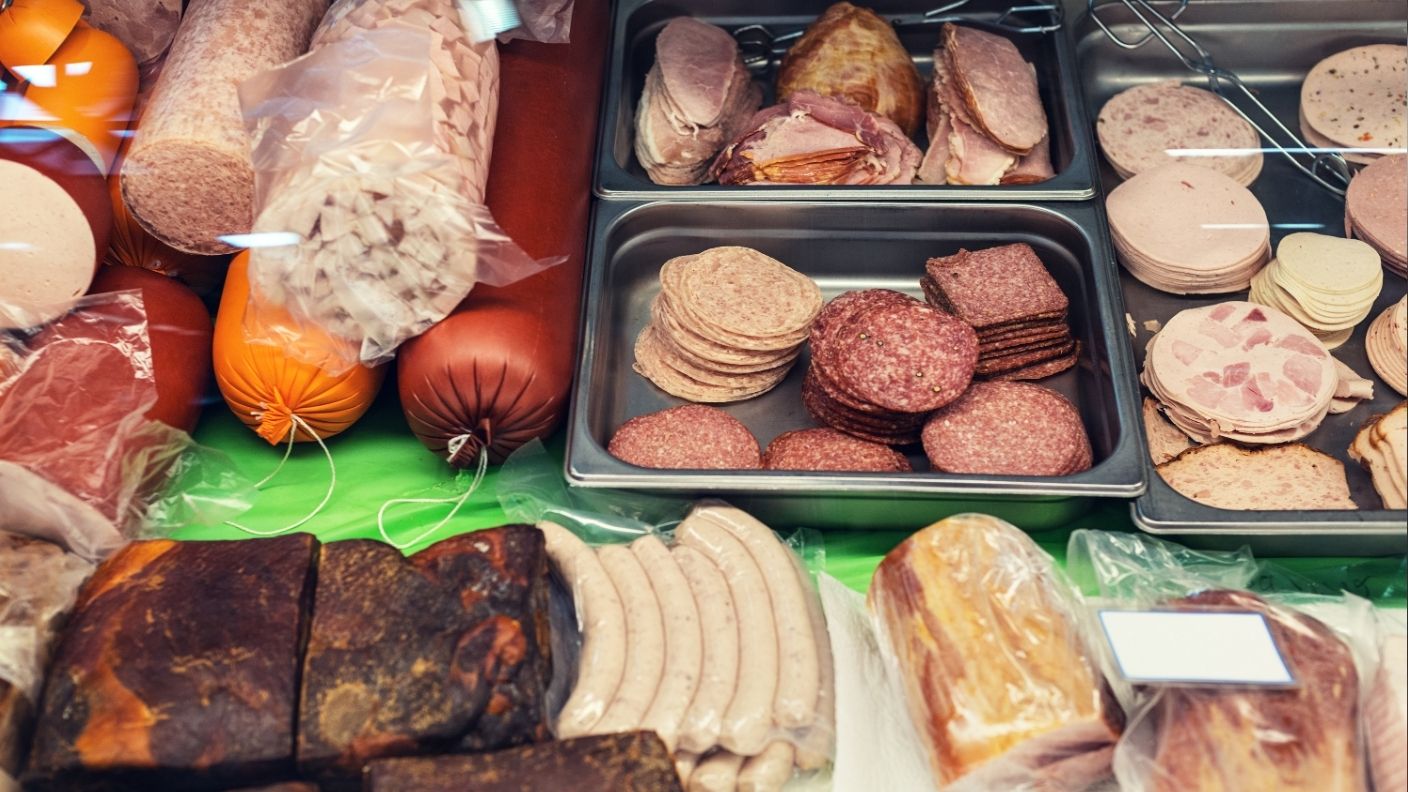
Its top category, ultra-processed foods, includes items like soft drinks, packaged sweet and savory snacks, reconstituted meat products, and many ready-made frozen meals. These are typically industrial formulations built from refined ingredients and additives you wouldn’t usually find in a home kitchen.
Research Kept Raising Red Flags
Over the past decade, a growing body of studies has linked diets high in ultra-processed foods with obesity, type 2 diabetes, heart disease, and other chronic conditions. Much of that research is observational, which shows a connection rather than proof of cause.
One controlled experiment at the National Institutes of Health added weight to the concern. When volunteers ate an ultra-processed diet, they consumed roughly 500 more calories a day than on a minimally processed diet with similar nutrients, and they gained weight as a result.
Washington Is Writing an Official Definition
Until recently, the United States had no official definition of ultra-processed food. In July 2025, the FDA and USDA asked the public for input on how to create one, and federal health officials have made the issue a priority.
The process proved slower than expected, with the FDA acknowledging that pinning down a definition was challenging. A proposed definition has since been sent for final federal review, which could pave the way for changes in labeling, school meals, and nutrition programs.
What Might Count as Ultra-Processed
Reports suggest the federal definition is likely to focus on specific ingredients, including certain additives, artificial colors, emulsifiers, and preservatives. That approach would make it easier to apply consistently across thousands of products.
There may also be important exceptions. Reporting has indicated that foods meeting the FDA’s existing criteria for “healthy” claims, along with infant formula, could be exempt, which would spare items like some yogurts and whole-grain products.
States Got There First
Several states didn’t wait for Washington. Arizona passed a law limiting the sale of certain ultra-processed foods in schools, defining them narrowly by the presence of specific additives and dyes.
Other states have proposed their own definitions, and that patchwork is part of why a national standard matters. Food companies selling across state lines face very different rules from one place to the next.
Shoppers Already Changed Their Habits
Consumers aren’t waiting for official rules either. A 2026 Hartman Group report found that 91 percent of surveyed U.S. shoppers said they try to limit ultra-processed foods.
The same research found that many people look for “simple ingredients” claims on packaging. A third said unfamiliar ingredient names help them decide whether a product counts as ultra-processed.
A New Label Could Show Up on Shelves
FDA Commissioner Marty Makary has suggested that a federal definition could eventually lead to “non-ultra-processed” labels. That would work much like existing claims such as organic or sugar-free.
For shoppers, that could make it faster to spot less processed options at a glance. For brands, it could become a powerful marketing tool and a reason to reformulate popular products.
Food Companies Are Pushing Back
Not everyone is on board. The Consumer Brands Association has criticized the federal approach, arguing that a definition capturing a huge share of the food supply would be flawed and unfair to manufacturers.
Critics also point out that processing isn’t automatically harmful. Some foods classified as ultra-processed still offer real nutritional value, which makes drawing a clear line genuinely difficult.
Not All Processed Food Is a Problem
It helps to remember that processing covers a wide range. Frozen vegetables, canned beans, plain yogurt, and bagged salad greens are all technically processed, yet they’re staples of a healthy diet.
The bigger concern is heavily engineered products loaded with added sugar, refined starches, sodium, and long lists of additives. Those are the foods most closely linked to overeating and health problems.
How to Shop Smarter Right Now
Until official labels arrive, the ingredient list is the best tool available. A short list made up mostly of recognizable foods is usually a good sign, while long lists full of additives and sweeteners suggest heavier processing.
Building meals around whole and minimally processed foods, like fresh produce, beans, eggs, fish, whole grains, and plain dairy, covers most of the benefit. Ultra-processed favorites can still fit in occasionally, just not as the foundation of every meal.
RELATED ARTICLE: I Stopped Eating Processed Foods for 30 Days—My Body Changed More Than I Expected
