


Why Doctors Are Talking About Fiber More Than Protein Right Now

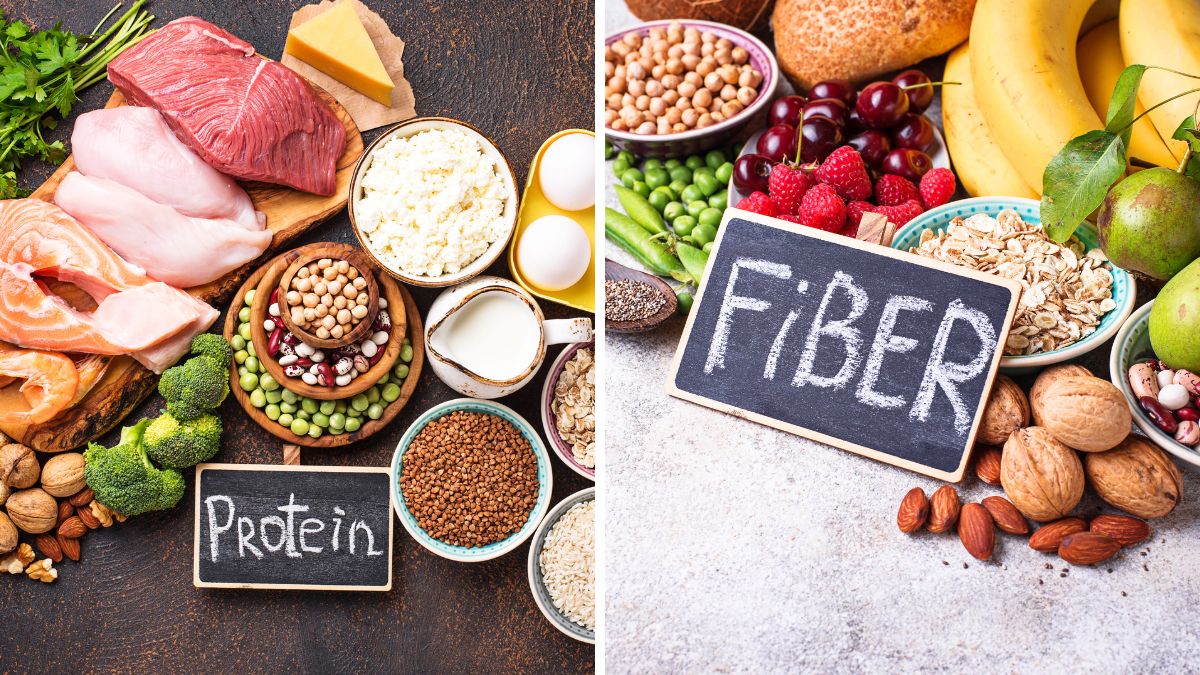

For the past few years, protein has ruled every grocery aisle, every fitness conversation, and every wellness feed on the internet. But something is quietly shifting, and the medical world is paying very close attention.
Doctors and dietitians are suddenly rallying behind a completely different nutrient. And it turns out, it is the one most of us have been ignoring all along.
Protein Had Its Moment
High-protein everything dominated food culture for years, from snacks to shakes that promised to fix just about everything. But Johns Hopkins researchers are now pointing out something uncomfortable: Americans already meet their protein needs, and the real deficiency has been sitting on their plates unnoticed all along.
That deficiency is fiber. While people were busy tracking every gram of protein, roughly 95% of Americans quietly fell short on fiber, with consequences building slowly in the background.
The Gut Health Connection
Fiber does something protein simply cannot. It feeds the bacteria living inside the gut, producing compounds that travel far beyond digestion and influence everything from mood to immunity to cardiovascular health.
Research from the National Institutes of Health links adequate fiber intake to lower rates of cardiovascular disease, type 2 diabetes, and colorectal cancer. Most adults, however, are still consuming less than half of the recommended daily amount.
The Ozempic Surprise
Here is where fiber gets genuinely exciting. High-fiber foods have been shown to trigger the release of a gut hormone called PYY, which suppresses appetite in a way that closely mirrors how GLP-1 drugs like Ozempic work.
In other words, loading up on fiber-rich foods may naturally activate some of the same fullness signals that people are paying thousands of dollars to replicate with injections. That alone has doctors sitting up straighter.
The Trend Taking Over
The shift is not just happening in clinics. A viral TikTok movement called fibermaxxing is pushing a whole new generation to rethink their plates, with a recent poll finding that 64% of Americans are now actively trying to add more fiber to their daily diets.
Whole Foods named fiber one of its top food trends for 2026, and research firm Datassential confirmed it is on track to be the next big health movement following protein’s long reign.
The best part? Getting more fiber does not require a prescription, a supplement, or a complicated routine. Beans, whole grains, fruits, and vegetables are all it takes, and it turns out the most powerful thing on your plate may have been hiding in plain sight the whole time.
RELATED ARTICLE: 7 High-Fiber Foods Americans Aren’t Eating Enough Of
