


Why Do We Carve Pumpkins on Halloween? The Surprising Story Behind the Tradition

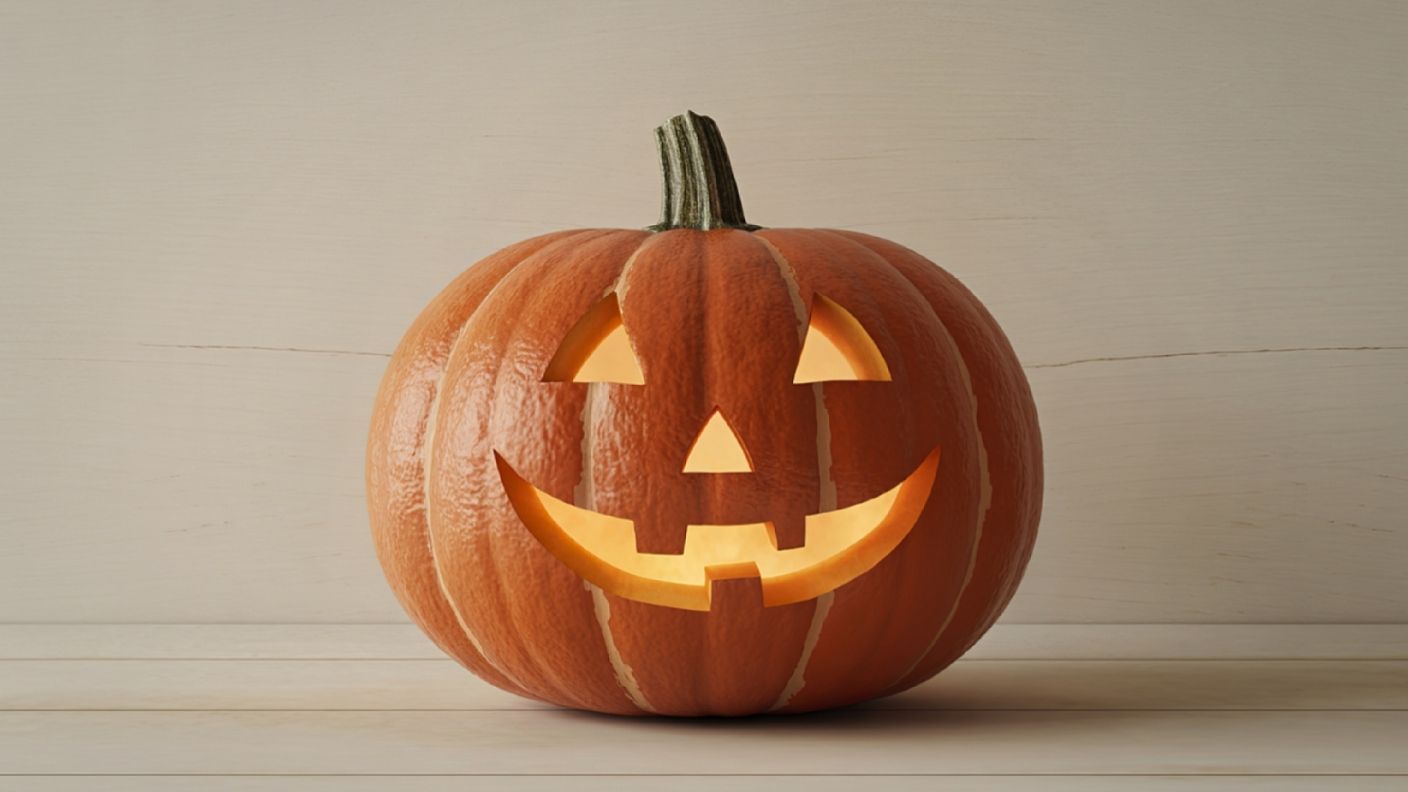

Every October, front porches across the country fill up with glowing, grinning faces cut into orange gourds, and almost nobody stops to ask where the habit actually came from. It’s treated as a given, the same way carving a turkey is just what happens in November.
The real explanation traces back to a much darker, stranger story than most people carving a pumpkin tonight would ever guess.
It Starts With a Man Named Stingy Jack
According to Irish folklore that first appeared in print during the 1800s, a miserly man known as Stingy Jack managed to trick the Devil not once but twice. The first time, he invited the Devil out for a drink, then convinced him to turn into a coin to cover the tab, trapping that coin next to a silver cross so it couldn’t change back.
Jack only released the Devil after securing a promise that he’d be left alone for a year. When the Devil returned, Jack tricked him again, this time getting him stuck up a tree by carving a cross into the trunk, forcing an even longer truce out of him.
Neither Heaven Nor Hell Would Take Him
When Jack eventually died, his history of trickery caught up with him in the worst possible way. Heaven wouldn’t have him because of the life he’d lived, and the Devil, still furious about being outwitted twice and bound by his earlier promise, refused to claim him either.
Left with nowhere to go, Jack was sent off into the darkness with nothing but a single burning coal to light his way. That small detail is the entire reason this legend ends up connected to carved vegetables at all.
The Turnip Came Before the Pumpkin
Jack reportedly hollowed out a turnip to hold his ember, creating a crude lantern to guide him as he wandered the earth with nowhere else to go. People began calling him “Jack of the Lantern,” which eventually shortened into the term still used today.
Back in Ireland and Scotland, people started carving frightening faces into turnips and potatoes of their own, placing them near doors and windows to scare off Jack’s wandering spirit and other evil spirits along with him. The tradition had nothing to do with decoration at first, it was treated as a genuine form of protection.
Immigration Is What Brought Pumpkins Into the Picture
When large numbers of Irish and Scottish immigrants arrived in America, they brought the turnip-carving custom with them, only to discover a vegetable that worked far better for the job. Pumpkins were larger, softer, and easier to hollow out than the turnips and potatoes they’d been using back home.
That practical upgrade is really the whole story behind why pumpkins took over. The tradition’s meaning stayed intact, but the vegetable itself changed simply because a better option happened to be sitting in American fields.
The Scary Face Eventually Became Decoration
As the custom took hold in America, the protective, spirit-warding purpose gradually faded into the background, replaced by pumpkin carving as a seasonal decoration and shared activity. The frightening expressions carved into those early turnips softened over time into the wide range of designs seen on porches today.
What started as a defense against a cursed, wandering soul turned into one of the most recognizable symbols of the entire holiday. The legend behind it rarely comes up while anyone’s actually carving, but it’s sitting right there under the surface every single time.
RELATED ARTICLE: The Halloween Traditions That Are Making a Comeback
