


Why Cottage Cheese Became The Internet’s Favorite Protein Food Again

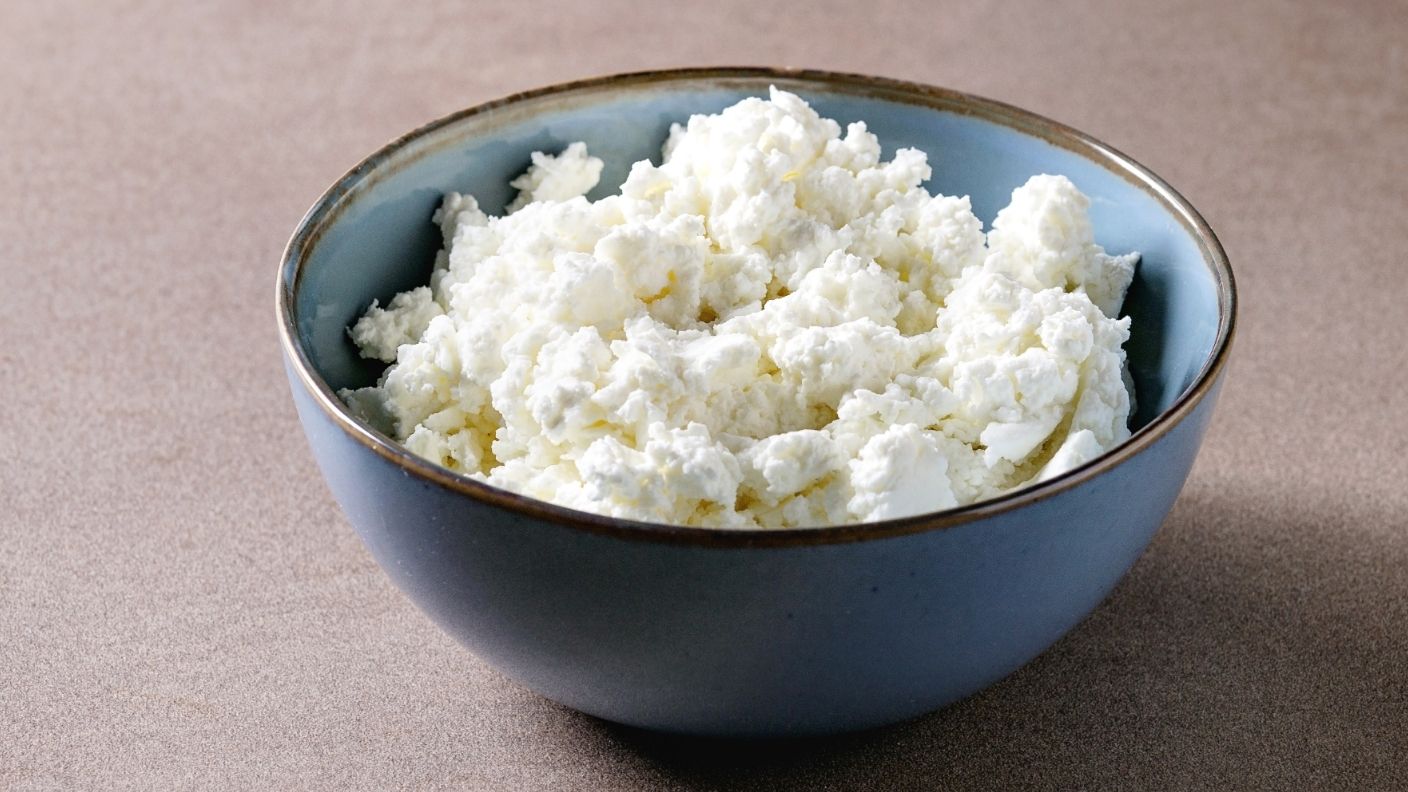

For years, cottage cheese was the food people pictured on a sad diet plate from another era. It sat at salad bars, got paired with canned fruit, and rarely earned a second thought from anyone under the spell of trendier dairy.
Now it’s everywhere. Recipe feeds are packed with it, stores have struggled to keep it stocked, and the humble tub has picked up a fan base that would have seemed impossible a few years ago.
The Protein Numbers Are Hard to Ignore
Start with what’s actually in the container. A half-cup of low-fat cottage cheese packs about 14 grams of protein for only around 81 calories. That’s an unusually good trade for a food that needs zero cooking.
Shoppers have noticed. Protein is now the most common claim tied to cottage cheese, appearing on more than half of products and still climbing. For anyone tracking grams, the tub reads like a cheat code.
Protein Became the Whole Conversation
The bigger shift is cultural. Market researcher Innova named protein the top food trend of 2026, reflecting how people now chase it for overall health across every meal and snack.
That wave lifts plenty of foods at once. The same demand pushing up beef and chicken sales is also driving cottage cheese, and it happens to be one of the cheapest, easiest ways to ride it.
Whipped Recipes Gave It a New Look
Social media did the rebranding that decades of ads never managed. Creators turned it into whipped dips, pasta sauces, smoothies, desserts, and protein-heavy breakfast bowls, and suddenly it looked fun instead of dutiful.
Bakers got in on it too. It shows up in chewy chocolate chip cookies, fluffy pancakes, and lasagna, where it works as a surprisingly good swap for ricotta. Each viral recipe pulled in a few more converts.
Blending Fixed the Texture Problem
For most holdouts, the curds were always the dealbreaker. Running it through a blender or food processor turns it smooth and creamy, which removes the lumpy mouthfeel entirely.
That simple trick changed how people use it. Many buyers now process it into something else rather than eating it plain from the tub, so it slips into dishes where nobody would guess it’s there.
It Fits the Push Toward Simpler Ingredients
Plenty of shoppers are reading labels more closely now. In the UK, rising skepticism toward ultra-processed foods and a hunger for natural products helped drive demand, alongside the protein angle.
The results showed up fast there. Cottage cheese saw a 29.4% jump in volume year over year, helped along by meal-prep trends online. A short ingredient list suddenly counts as a selling point.
Gut Health Added Another Reason to Buy
Protein gets the headlines, but it isn’t the only draw. Growing interest in gut health is also listed among the main reasons sales are climbing, putting cottage cheese in the same conversation as kefir.
There’s a catch worth knowing, though. The probiotic benefit depends on picking brands that contain live or active cultures, so it pays to check the label rather than assume every tub qualifies.
New Brands Made the Tub Feel Modern
Packaging and branding have caught up with the hype. Good Culture says its cottage cheese sales have nearly quadrupled in recent years, and a private equity firm moved to buy a majority stake.
Bigger players are experimenting as well. Dairy Farmers of America launched MULU, built around a whey-and-casein blend that delivers 18 grams of protein per serving. The category now has premium options that look nothing like the old diet tubs.
Empty Shelves Only Fueled the Buzz
Demand moved faster than supply in some places. Capacity shortages hit markets where premium brands expanded early, and retailers reported bare shelves as more people reached for it as a protein source.
Producers have been scrambling to catch up. In Canada, cottage cheese production in the first half of 2026 ran 75% higher than the same stretch in 2023. Scarcity, as usual, made everyone want it more.
The Sales Figures Point to Staying Power
Viral foods often burn out within a season, but this one keeps growing. Retail data from Circana shows sales rose 16.7% over the past year to more than $2.2 billion.
Individual brands tell the same story. Daisy grew its dollar sales by 25% to $441 million, and one agricultural economist said the years of steady growth suggest the trend has real legs.
The Sodium Deserves a Second Look
Not every part of the hype holds up perfectly. Cottage cheese can be surprisingly salty, with a typical half-cup of low-fat often topping 400 milligrams of sodium, so a big bowl adds up quickly.
Lower-sodium versions are available, and rinsing the curds cuts it down further, though some flavor goes with it. For cooking, it’s better to skip nonfat varieties, which tend to behave poorly under heat.
