


Why Certain American Foods Inspire So Much Nostalgia

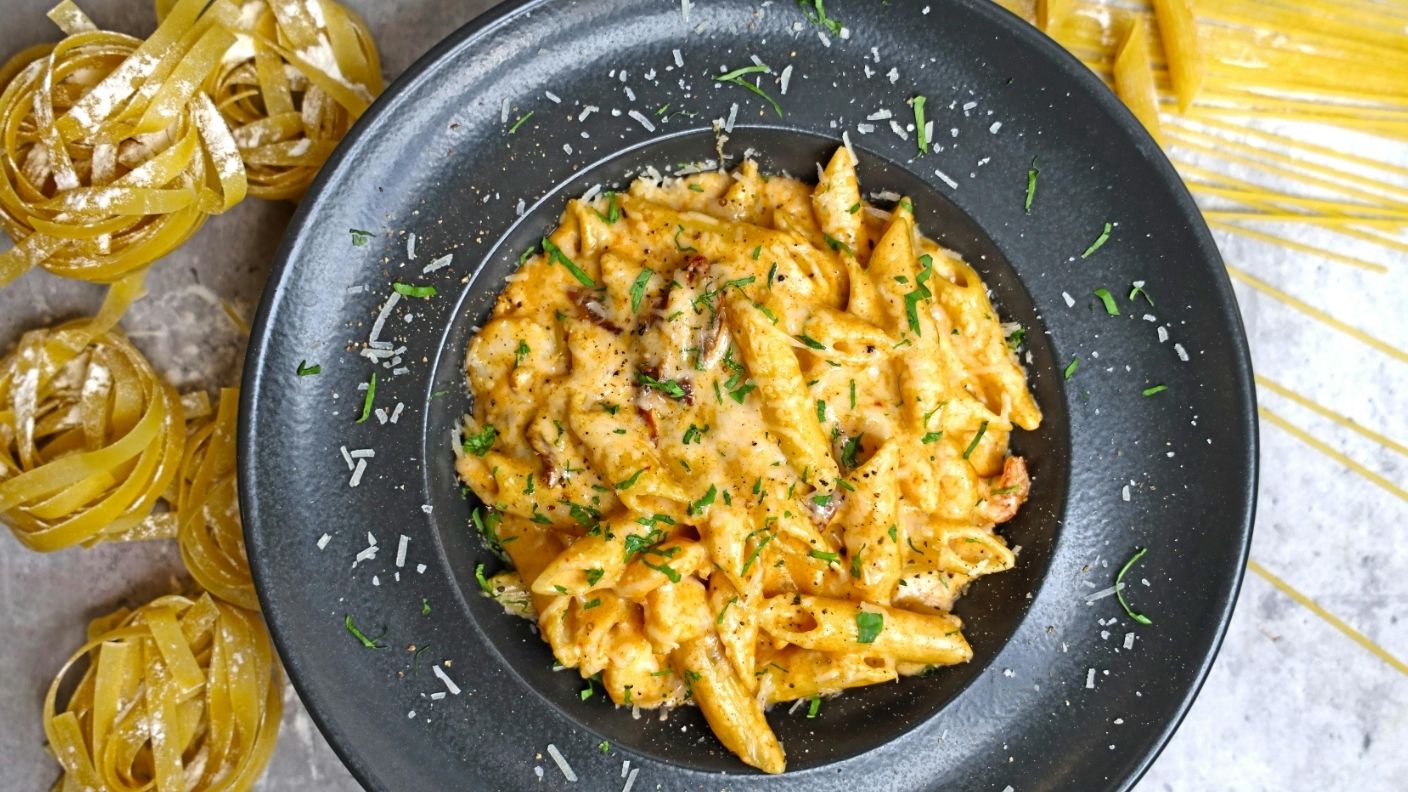

A bite of macaroni and cheese can do something a five course meal never manages, it can pull you straight back to a specific kitchen table decades ago. That reaction is not really about the food itself.
Researchers have spent years trying to understand why certain dishes carry so much emotional weight while others barely register. The answer turns out to be less about flavor and more about what is happening inside the brain.
It also explains why the same handful of American classics keep showing up on nostalgia lists across generations. Here is what is actually going on when a familiar dish hits differently.
The Science Behind That Familiar Pull
Social psychologist Chelsea Reid at the College of Charleston has run a series of experiments specifically on this connection. Her team found that the more nostalgia a food triggered in someone, the more comforted that person ended up feeling.
In three of her four experiments, participants never actually ate anything at all. They simply imagined the experience and wrote about it, and still reported real emotional benefits.
That finding suggests the psychological piece matters just as much as taste, maybe more. The memory attached to a dish can do the emotional heavy lifting all on its own.
Why Some Foods Hit Harder Than Others
A 2015 Harris Poll of more than two thousand American adults found pizza sitting at the very top of the comfort food list. Chocolate and ice cream tied for second, with mac and cheese rounding out the top five.
Part of that popularity comes down to simple biology. Humans are wired to crave energy dense foods high in sugar, salt and fat, which happen to describe most of America’s favorite comfort dishes.
But biology alone does not explain why one person’s comfort food is grilled cheese and another’s is gumbo. Family history and regional upbringing shape which specific dishes carry that emotional charge.
The Role Memory And Smell Play
Smell turns out to be one of the strongest triggers of all. Reid’s earlier research, described in Time, found that scents like apple pie were rated as significantly more nostalgic than neutral smells like baby powder.
That connection exists because the brain’s smell processing center sits right next to regions tied to memory and emotion. A single whiff can unlock a memory faster than a photograph ever could.
The phrase comfort food itself is relatively young, tracing back to a 1965 reference uncovered by a food historian. What it actually describes, apparently, is much older than the term.
None of this means nostalgia is just a marketing gimmick dressed up as science. It means the foods people reach for on a hard day were never really random, they were chosen by memory long before anyone sat down to eat.
RELATED ARTICLE: #1 Nutrient Linked to Healthy Aging That Most Americans Aren’t Getting Enough Of
