


Why Candy Became the Center of Halloween in America

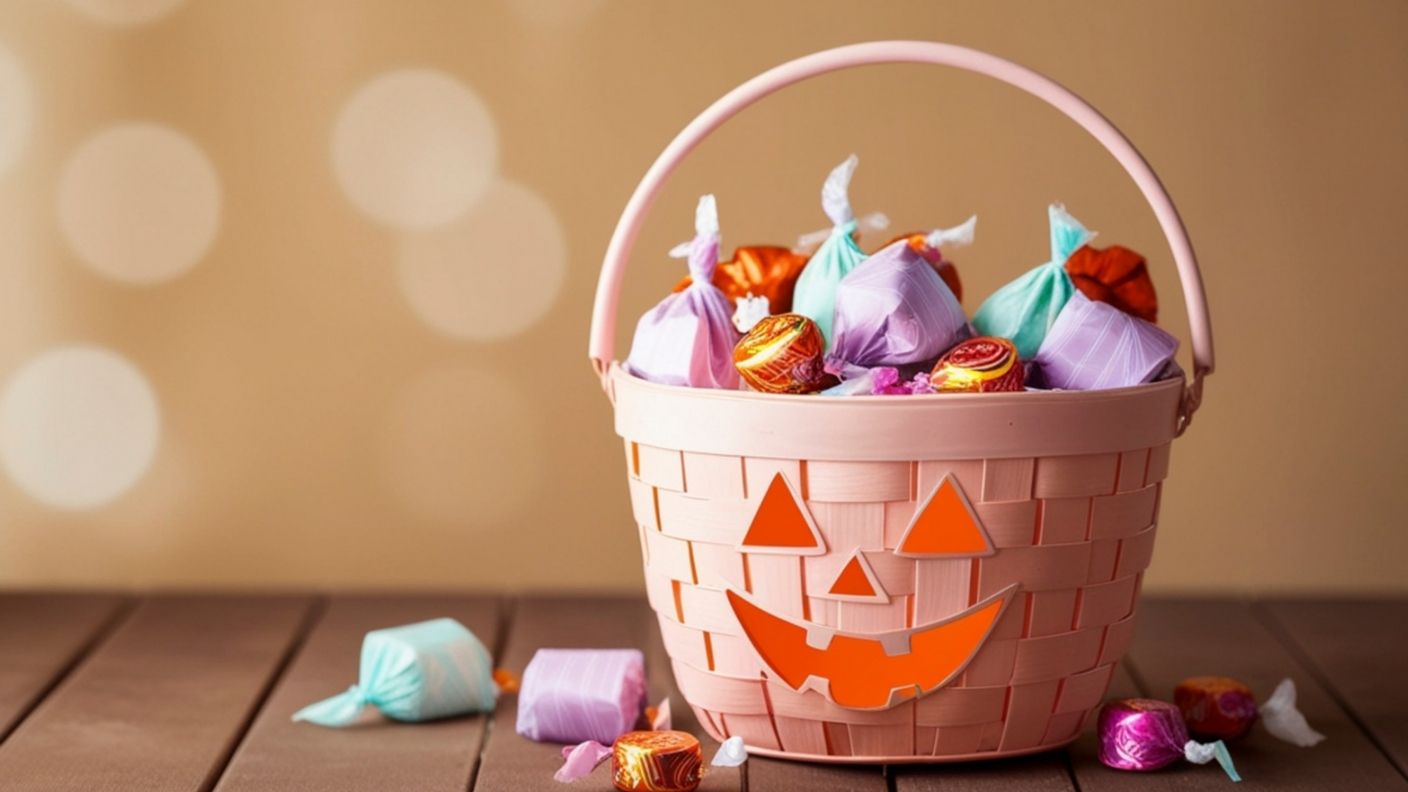

Pumpkins, costumes, and haunted houses all have their own long histories, but none of them come close to matching candy’s grip on the holiday. A night that once revolved around bonfires and fortune-telling games now runs almost entirely on sugar.
That shift wasn’t accidental, and it didn’t happen quickly either. It took a vandalism problem, a war, and a genuine nationwide panic to get here.
Trick-or-Treating Started as a Fix for Something Worse Than Begging for Sweets
By the 1920s, Halloween in America had a real image problem. The holiday had become an excuse for rowdy pranks rather than anything resembling treat-gathering, and the Great Depression made it considerably worse.
Vandalism, property damage, and even physical altercations became common enough that communities needed an alternative. Organized, neighborhood-based trick-or-treating emerged in the 1930s largely as a way to redirect that energy into something structured and far less destructive.
Sugar Rationing Briefly Put the Whole Tradition on Pause
Just as trick-or-treating was catching on nationally, World War II interrupted it. Sugar rationing made candy scarce enough that the tradition stalled out across much of the country for the duration of the war.
The postwar years changed everything at once. Rationing ended right as suburbs were expanding rapidly and the baby boom was producing more trick-or-treaters than America had ever seen in one generation.
Those conditions together were exactly what the holiday needed to come roaring back.
Candy Companies Realized What They Were Sitting On
The candy industry didn’t take long to notice the opportunity. Candy historian Beth Kimmerle has described the 1950s as the moment companies “started realizing that this trick-or-treat thing might be a huge thing for them.”
Early campaigns targeted mothers directly, framing branded, factory-wrapped candy as the safer, more reliable choice compared to homemade treats. That positioning did double duty, selling product while also planting the idea that not all treats could be fully trusted.
A Nationwide Panic Reshaped What Was Considered Safe to Hand Out
That seed of doubt turned into something much bigger in the 1960s and 70s, when a wave of frightening reports about poisoned or tampered Halloween candy spread across the country.
Parents increasingly refused anything that wasn’t factory-sealed, and homemade treats fell out of favor almost overnight.
That shift handed candy companies exactly the opening Kimmerle describes: it gave them “artistic license to create their own look and feel centered around Halloween.” Individually wrapped, fun-sized candy bars became the new standard almost entirely in response to parental fear.
The Panic Was Almost Entirely Based on Myth
Here’s the part that rarely gets mentioned: sociologist Joel Best has spent decades researching these tampering claims and has never found a substantiated case of a stranger poisoning a child through trick-or-treat candy.
He’s called the scare a “contemporary legend” that reflected public anxiety more than any real pattern of harm.
Best traced five widely cited deaths blamed on Halloween sadism and found each one had a different explanation entirely, from natural causes to an infection.
The one genuinely real poisoning, a 1974 cyanide case in Texas, turned out to be a father targeting his own son for insurance money, not a stranger at all.
The Industry Leaned Into the Fear Either Way
Whether the danger was real or not barely mattered once the behavior change had already happened. Manufacturers spent the following decades expanding on that wrapped-candy standard.
That included branching into novelty and shock-value candy that leaned into the holiday’s spookier side for extra appeal.
That steady expansion is a big part of why Halloween now ranks as the second-largest commercial holiday in the country after Christmas, with billions spent annually on candy alone.
A fear that was mostly unfounded still managed to permanently reshape what ends up in the bowl every October.
RELATED ARTICLE: The Halloween Candy Brands Bringing Back Childhood Memories
