


Why Artisanal Sourdough is Often Easier on the Gut Than Modern Bread

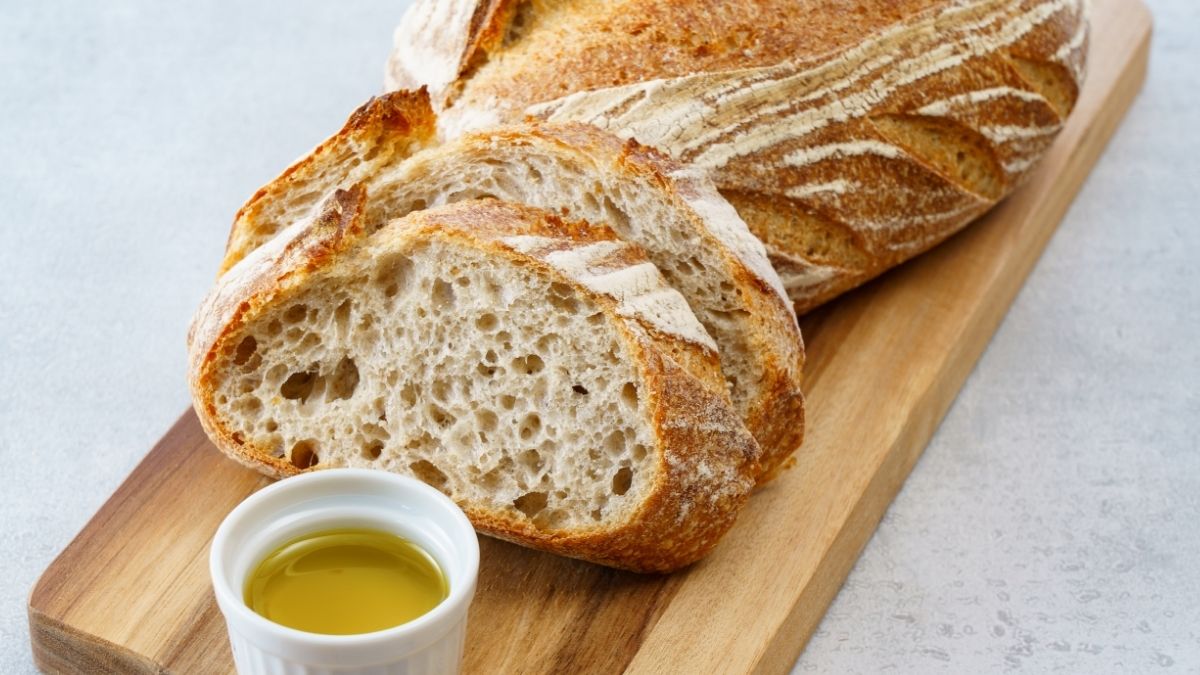

There’s a reason so many people who swore off bread for years find themselves quietly tolerating a slice of sourdough from the local bakery. It doesn’t feel like a coincidence, and it isn’t. The difference between a long-fermented artisanal loaf and a factory-made sandwich bread goes far deeper than flavor or texture.
It Starts With Time
The single biggest factor separating traditional sourdough from modern commercial bread is how long each takes to make. Most commercial bread is produced using industrial methods that compress fermentation into a matter of minutes, relying on fast-acting yeast and a lineup of additives to speed everything along.
Real sourdough, by contrast, ferments slowly using wild yeast and lactic acid bacteria, typically anywhere from eight to twenty-four hours or more.
That extended fermentation isn’t just good for flavor. It fundamentally changes the chemistry of the bread, and that matters enormously for digestion.
What Fermentation Actually Does to Gluten
Gluten is the protein network that forms when flour meets water. In a quick commercial loaf, it barely has time to break down before the bread hits the oven. According to research, the long fermentation in traditionally made sourdough significantly reduces gluten structures, making the bread far less demanding on the digestive system.
This is also why some people who experience bloating or discomfort with regular bread find sourdough easier to handle. The fermentation process lowers FODMAP carbohydrates in the dough, which are a known trigger for digestive symptoms in people with irritable bowel syndrome.
The Mineral Unlock Most People Don’t Know About
Here’s a less talked-about benefit. Wheat naturally contains phytic acid, a compound that binds to minerals like iron, magnesium, and zinc and prevents the body from absorbing them properly. It’s sometimes called an antinutrient for exactly this reason.
During sourdough fermentation, lactic acid bacteria produce an enzyme called phytase, which effectively pre-digests that phytic acid. Research published on PubMed confirmed that sourdough bread is a significantly better source of bioavailable minerals than yeast-fermented bread, particularly for magnesium, iron, and zinc.
The Gut Microbiome Connection
The benefits don’t stop once the bread is baked. While the live bacteria in a sourdough starter don’t survive the oven, the organic acids and prebiotic compounds they produce do, and these feed the beneficial bacteria already living in the gut. A study highlighted by ScienceInsights found that sourdough produced significantly less gas during digestion than industrially made bread, and actively promoted the growth of beneficial gut bacteria called bifidobacteria.
Not All Sourdough Is Created Equal
This is where it gets important. A lot of bread labeled “sourdough” in supermarkets is made with regular commercial yeast and given a tangy flavor through added vinegar or sourdough flavoring. According to ScienceInsights, these shortcuts skip the long fermentation entirely, meaning none of the digestive benefits apply.
Real sourdough has just four ingredients: flour, water, salt, and a live starter culture. If the label lists anything else, it likely hasn’t gone through the kind of slow fermentation that makes the genuine difference. When in doubt, your local artisan bakery is almost always a safer bet than the bread aisle.
