


Whole Fruit vs. Juice: What’s the Healthier Everyday Choice?

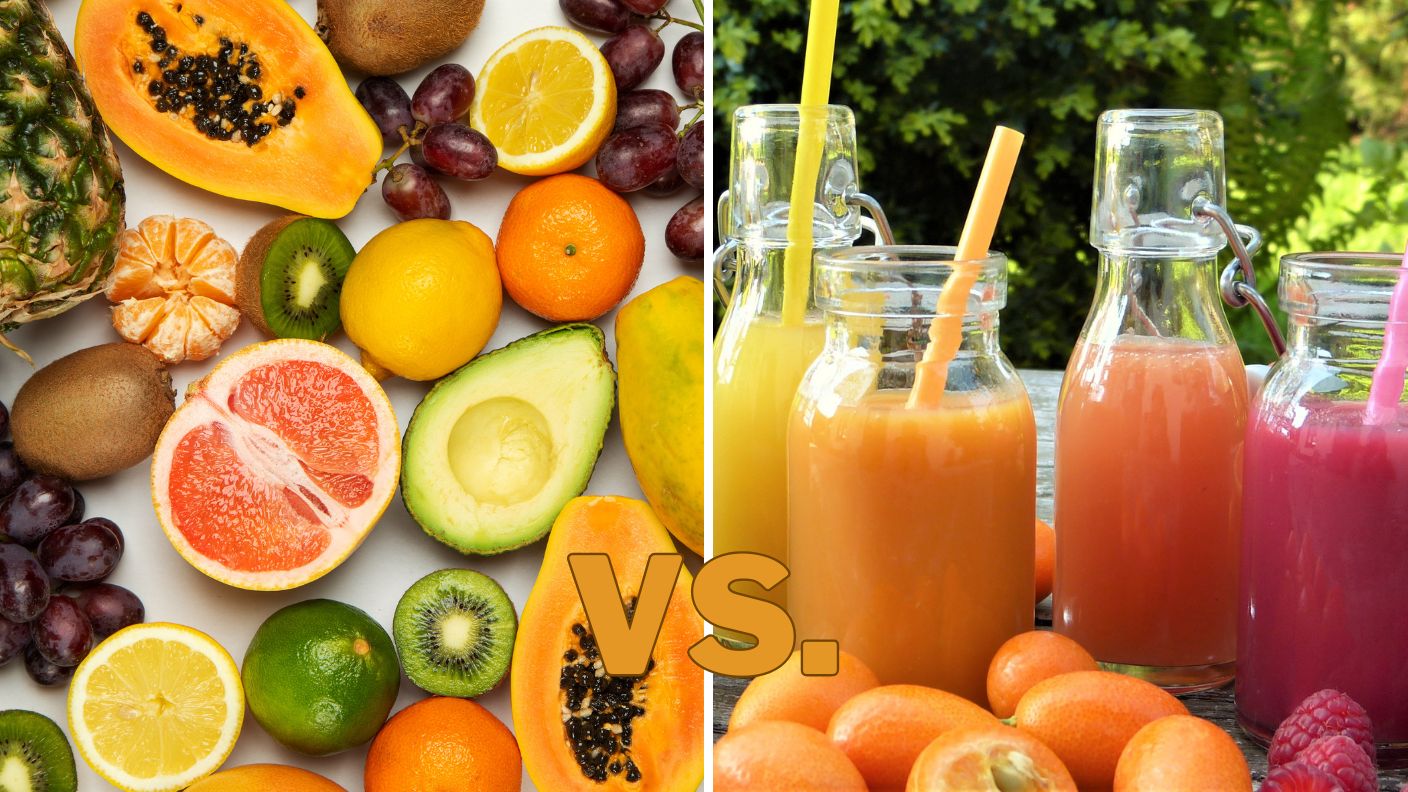

Most of us have stood in the kitchen at some point, staring at an apple on the counter and a pitcher of juice in the fridge, unsure which one actually makes more sense. The real answer comes down to a handful of factors: fiber, how full you end up feeling, how concentrated the sugar is, and, honestly, just plain convenience.
Modern juicers have gotten impressively good at reshaping the texture and nutrient makeup of homemade juice—pulling out liquid fast while leaving most of the fibrous pulp behind—but no machine, however advanced, turns juice into a stand-in for whole fruit.
This guide takes a neutral, practical look at where each one fits into everyday eating.
Why Whole Fruit and Juice Are Nutritionally Different
Fiber is really where the two part ways. Whole fruit holds onto its dietary fiber, and that fiber is doing a lot of quiet work—helping you feel full, supporting digestion, and keeping blood sugar from spiking too fast.
Juice loses most of that fiber during extraction, so what’s left is mostly vitamins, minerals, and plant compounds floating in liquid, minus the bulk that would otherwise slow everything down.
Without fiber standing in the way, the natural sugars in juice go down fast—which is exactly why it’s less filling than eating the same amount of fruit whole. A single glass can pack in the sugar equivalent of several pieces of fruit, and you can drink it in seconds rather than the minutes it would take to actually chew and finish that much produce. That difference matters when you’re thinking about calories and portion sizes.
None of this means juice is nutritionally worthless—it still carries real value, including vitamins and beneficial plant compounds, though some of that value fades with processing and time on the shelf. Freshness makes a difference, but juice isn’t some dietary villain either.
Key Takeaway: Whole fruit generally wins out nutritionally, mainly because its intact fiber helps you feel fuller and keeps digestion on a steadier, slower track.
When Whole Fruit Is the Better Everyday Choice
Chewing takes time, and fiber slows things down even more—together, they make whole fruit naturally more satisfying to eat. Grab an apple as a snack, and it’ll likely keep hunger at bay longer than a glass of apple juice with roughly the same calorie count. If you’re keeping an eye on sugar intake, whole fruit tends to be the more sensible everyday pick, though of course everyone’s needs are a little different. One easy habit: keep washed fruit sitting out where you can see it in the fridge, so it becomes the automatic choice for snacking.
When Juice Can Still Fit Into a Balanced Diet
That said, juice absolutely has a place—just maybe not the starring role. Enjoyed occasionally, or alongside a meal, it can fit comfortably into a balanced diet.
Sticking to smaller servings helps keep sugar and calories in check. And for people who genuinely struggle to get enough produce into their day, juice can serve as a helpful supplement—something that fills gaps rather than replaces whole fruits and vegetables outright.
A few habits make a real difference here: choosing 100% juice with no added sugar, pairing it with something fiber-rich, and simply watching how much you pour.
Choosing the Right Juicing Method and What It Means
Cold-press juicers work slowly and gently, squeezing out juice with minimal heat or oxidation. Centrifugal juicers, on the other hand, move fast—but that speed generates more heat and air exposure, which can affect texture, pulp content, and how quickly the juice starts tasting stale. Either way, the juice needs to go in the fridge and get consumed soon after making it. And regardless of which machine you use, the nutritional story stays the same: it’s the missing fiber that matters most, not the equipment.
Food Safety and Preparation Tips
Always wash produce thoroughly before juicing, even if you’re not planning to eat the peel—bacteria can easily transfer during cutting. Equipment and storage containers deserve the same attention; clean them promptly, since juice tends to be low-acid and spoils quickly. Get juice into the fridge right after making it, and if it ever looks, smells, or tastes even slightly off, it’s not worth the risk—just toss it.
Real-World Examples
Picture two breakfasts: one built around a whole orange, the other paired with a small glass of orange juice. The whole orange will keep you fuller longer, though the juice wins on speed for a rushed morning. As a snack, an orange beats orange juice for staying power, but a small glass alongside a proper meal is a perfectly reasonable occasional choice. Busy households often find a middle ground—leaning on juice now and then for convenience, while keeping whole fruit as the everyday default, with pre-washed produce within easy reach for kids and adults alike.
How to Make Juice Work Better in Your Diet
– Choose 100% juice without added sugars
– Keep servings small (4–6 oz)
– Pair juice with protein or fiber
– Treat juice as a beverage, not a fruit substitute
Common Misunderstandings About Juice
It’s easy to assume juice and whole fruit are basically interchangeable, but the missing fiber makes them fundamentally different products. Cold-pressed juice might taste fresher or last a bit longer in the fridge, but it doesn’t bring that lost fiber back. And to be clear—juice isn’t inherently bad for you. It just deserves a bit more thought and moderation than whole fruit does.
Final Perspective
For most people, whole fruit remains the smarter everyday choice, while juice can still earn its place now and then. The most useful approach is simply paying attention to context—how hungry you are, how much time you have, and what the rest of your diet looks like. Think of juice as a convenient extra, not a substitute for the real thing.
