


What to Eat in Greece: A Culinary Guide for Travelers

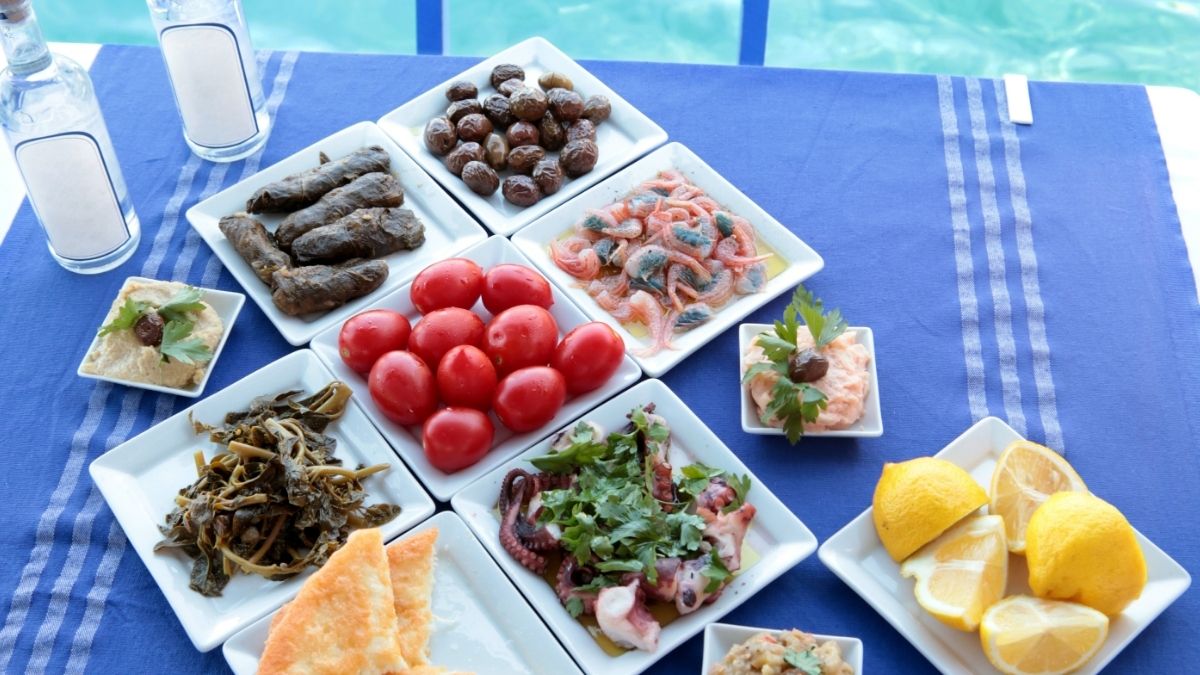

There is a reason people come home from Greece talking about the food more than the sunsets. The whitewashed villages and turquoise water are breathtaking, but it is the slow taverna meals, the bread dragged through olive oil, and the cold glass of something anise-scented that stay with you longest. This is a country where eating is never an afterthought.
Here is everything you need to know about what to order, where to find it, and why Greek food is one of the great joys of traveling in Europe.
Start With the Meze Culture
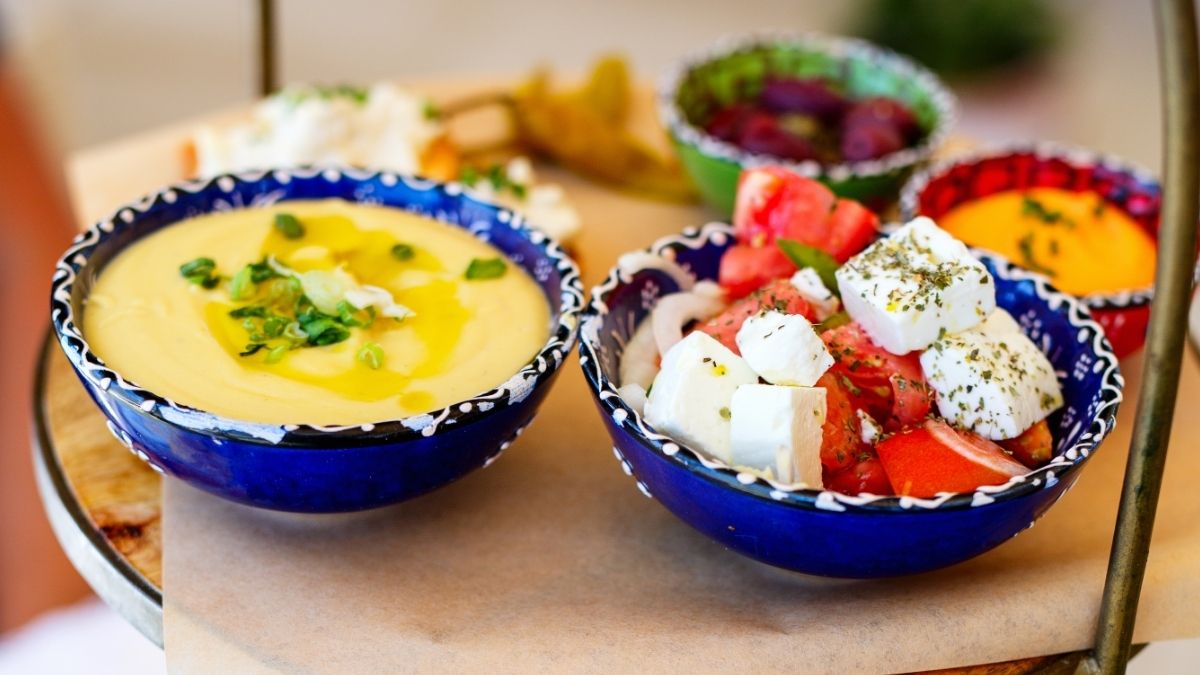
Before you think about main courses, you need to understand meze. In Greece, meals are built around sharing, and meze is the art of ordering small plates for the whole table to pick at together. It is not an appetizer course you rush through. It is the meal itself, stretched leisurely over an hour or two.
Classic meze includes tzatziki, the thick yogurt dip with cucumber and garlic, dolmades, which are vine leaves stuffed with rice and herbs, saganaki, a slab of cheese fried golden in a pan, and gigantes plaki, giant white beans baked slowly in tomato sauce. Order everything. Mop it all up with bread.
The Dish Every Traveler Orders First
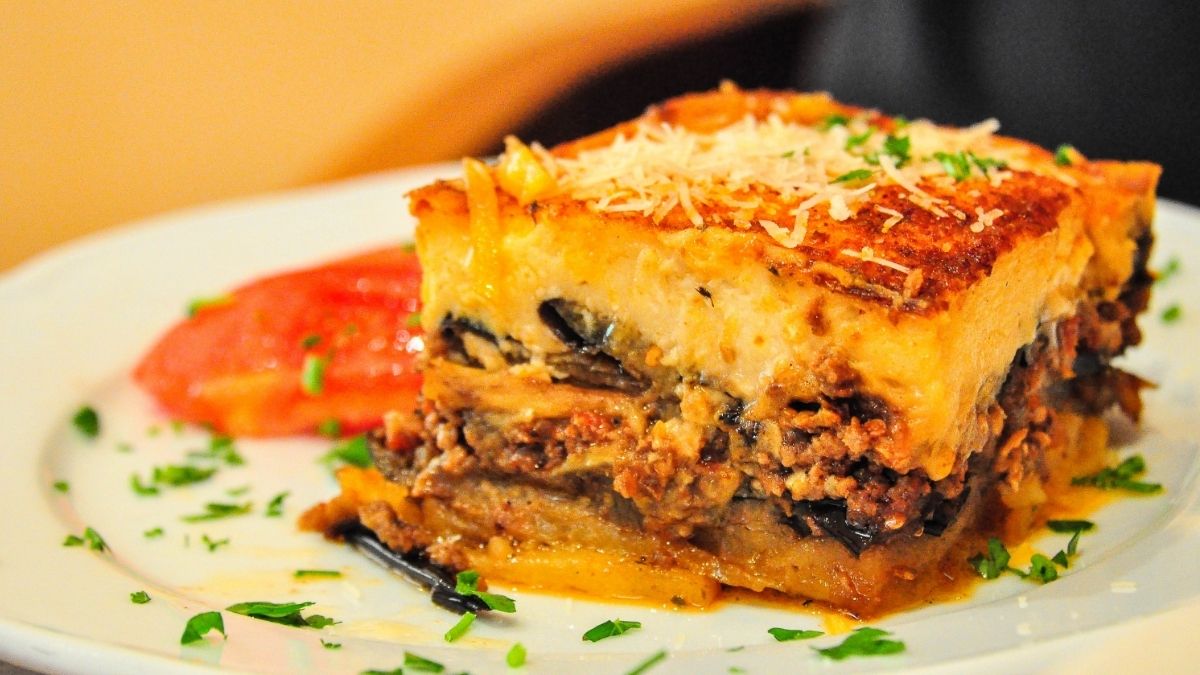
Moussaka is arguably the most iconic Greek dish, and it deserves every bit of its reputation. Layers of eggplant, seasoned ground meat, and potatoes are baked under a thick cloud of béchamel until golden on top and deeply comforting underneath. It looks like lasagna and tastes like something a grandmother has been perfecting for decades.
Athens, Crete, Santorini, and Nafplio all have excellent home-style tavernas where moussaka is made properly. Avoid tourist traps near major landmarks and look for the places where locals are actually sitting.
Souvlaki and Gyros for the Street
Gyros and souvlaki are the fast food of Greece, and they are extraordinary. Souvlaki is grilled meat on a skewer, served with pita, tomatoes, onions, and tzatziki. Gyros is rotisserie meat shaved thin and stuffed into warm pita with fries tucked inside along with everything else.
Both are eaten while walking, wrapped in paper, and consumed with zero dignity. This is correct. Do not sit down for gyros. Find a small souvlaki spot with a line out the door and order one of each.
The Greek Salad Is Not What You Think It Is
Choriatiki, the true Greek salad, is tomatoes, cucumber, red onion, olives, and a thick slab of feta laid on top whole, not crumbled. It is dressed with nothing but good olive oil and dried oregano. No lettuce. No dressing from a bottle.
In Greece, where produce is seasonal and grown nearby, the flavor of a summer tomato or a freshly picked cucumber is simply unmatched. The salad tastes completely different here than any version you have had at home, and understanding why is one of the quiet revelations of the trip.
Spanakopita and Pastries From the Bakery
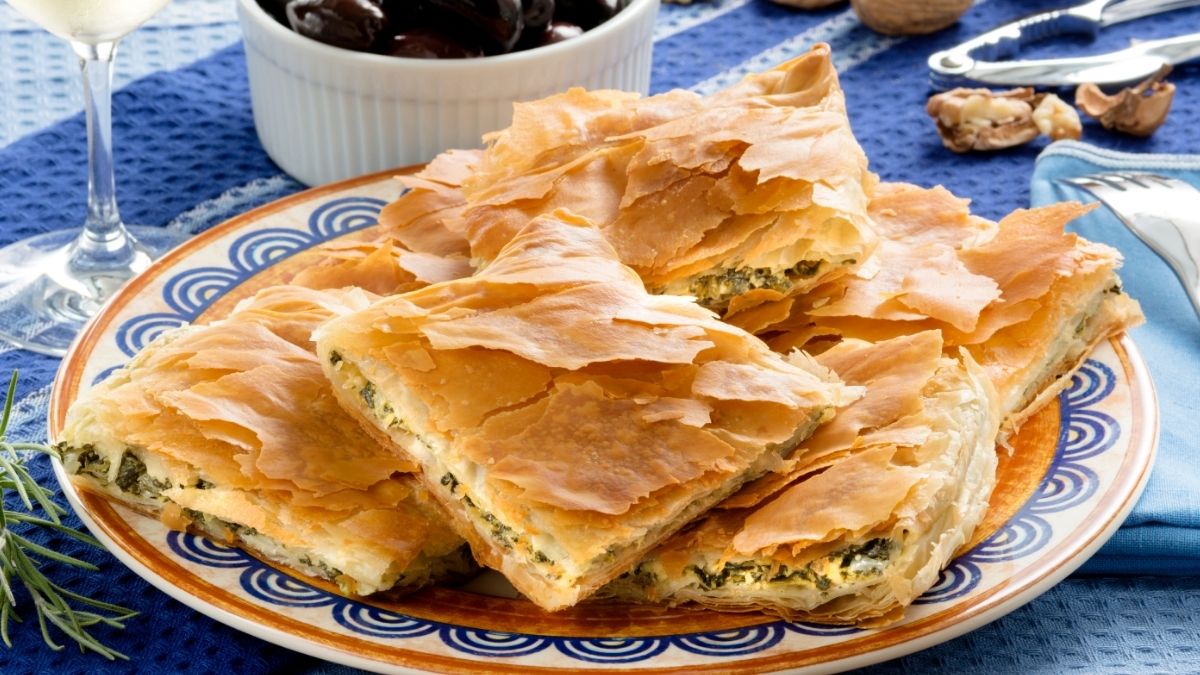
Spanakopita, the spinach and feta pie encased in shatteringly crisp phyllo pastry, is found in every Greek bakery and makes a perfect breakfast, snack, or lunch on the go. Bakeries also sell tiropita, a cheese-only version, and various other filled pastries depending on the region.
A koulouri, a sesame-crusted bread ring sold by street vendors, is the thing to eat while wandering around any Greek city in the morning with a coffee in the other hand.
Grilled Seafood by the Water
Greece has over 13,500 kilometers of coastline, which means fresh seafood is everywhere and the tradition of eating it simply, with olive oil, lemon, and herbs, is deeply ingrained. Grilled octopus is practically a national symbol at this point, draped over a seaside taverna railing to dry in the sun before hitting the grill.
Along the coast, the thing to do is find a seafood taverna, order a spread of seafood meze paired with a cold glass of ouzo or local white wine, and settle in for as long as the afternoon allows. Sea bream, red mullet, and sardines are all worth ordering simply grilled.
Kleftiko and Slow-Cooked Lamb
If souvlaki is the food of everyday Greece, kleftiko is the food of occasions. Lamb is slow-cooked, traditionally sealed in parchment or in a clay pot, until the meat pulls apart at the suggestion of a fork. The name comes from the word for thief, with the original dish cooked underground by mountain bandits who needed to conceal the smoke.
It is rich, intensely flavored, and the kind of dish that makes you stop talking mid-sentence. Order it anywhere you see it on a menu and do not share.
The Desserts You Cannot Leave Without Trying
Loukoumades are small fried dough balls soaked in honey and dusted with cinnamon, and they are one of the oldest recorded desserts in the world. They are sold at street stalls and local festivals and eaten hot, dripping with honey, while standing up. They are very messy and completely worth it.
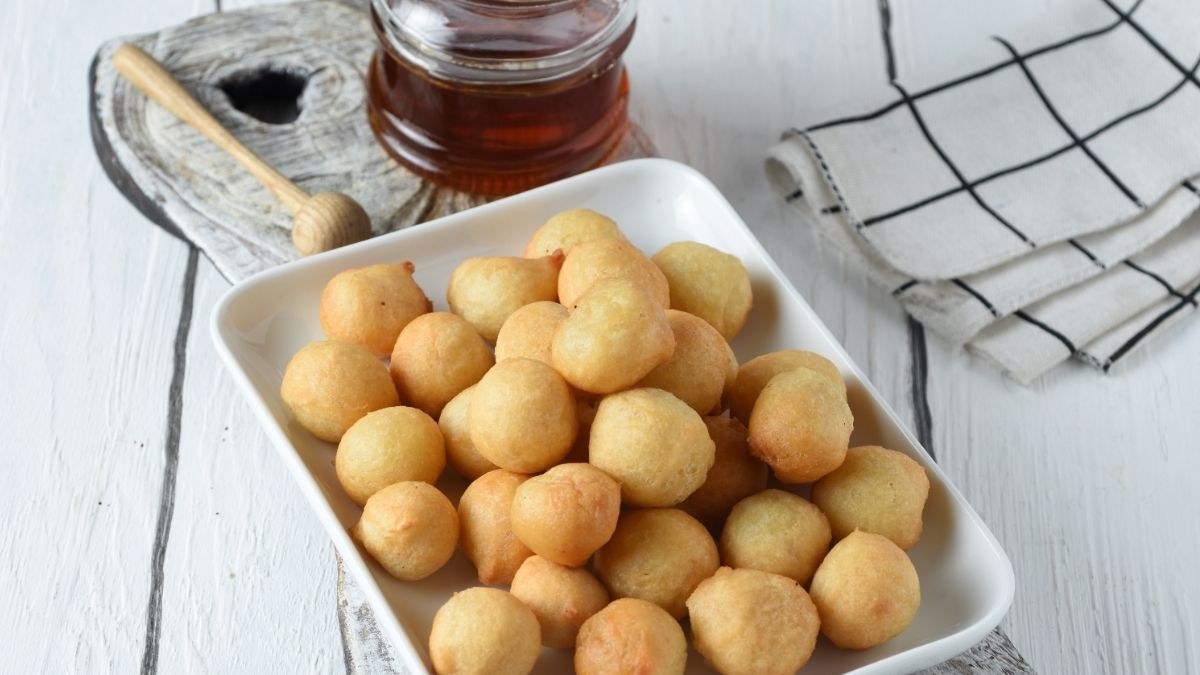
Baklava is flaky layers of phyllo filled with chopped pistachios or walnuts and drenched in honey syrup. And galaktoboureko, a semolina custard baked inside phyllo and soaked in citrus syrup, is less famous than baklava but beloved across the country and absolutely worth seeking out.
What to Drink
Ouzo is the anise-flavored spirit of the Aegean, served over ice and water where it turns milky white. It is always paired with food and always sipped slowly.
Tsipouro is a stronger grape-pomace spirit from northern Greece, and raki is the Cretan equivalent, often poured at the end of a meal by the restaurant as a gift.
For wine, Assyrtiko from Santorini is the standout, shaped by volcanic soil into something minerally and crisp that pairs with almost everything on this list. Greek coffee, thick and unfiltered, is ordered sweet, medium, or without sugar and never rushed.
Greek food is not a collection of dishes. It is a way of being at the table, unhurried, generous, and built around the pleasure of company and good ingredients. The best advice for any traveler is simply to sit down, order more than you think you need, and let the afternoon take over.
