


What I Buy Every Week for Easy Healthy Meals

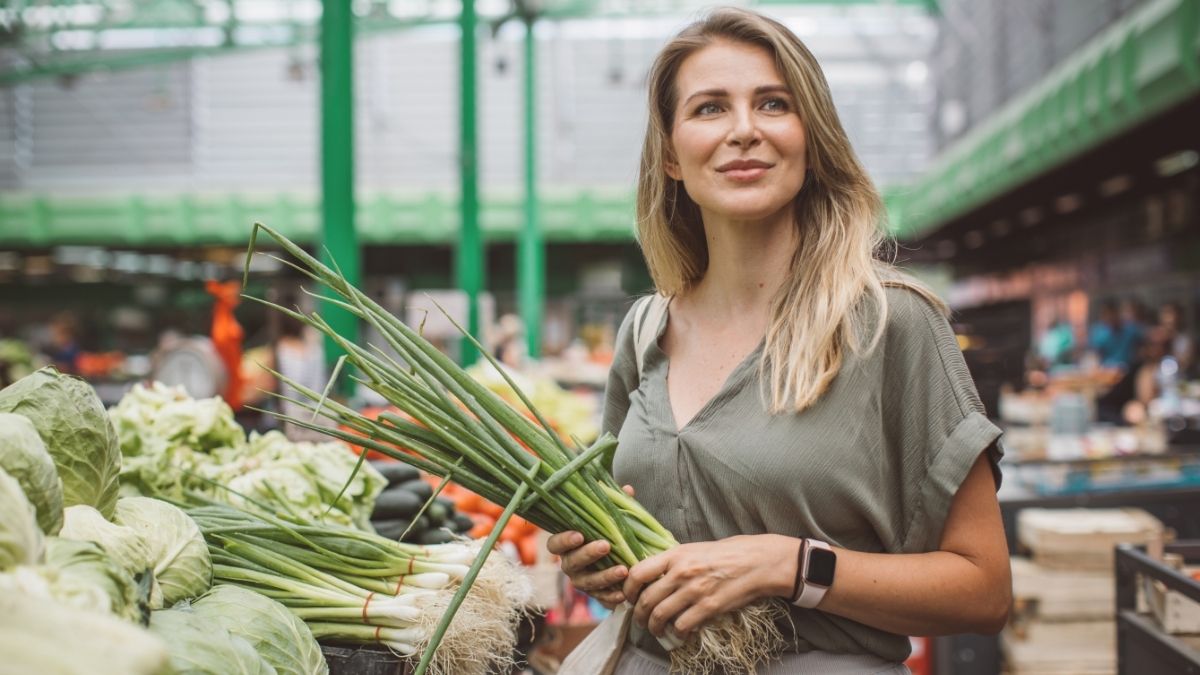

Healthy eating doesn’t fall apart because of willpower. It falls apart because the right ingredients aren’t in the kitchen when hunger hits. The real strategy isn’t complicated: keep a reliable rotation of versatile, nutrient-dense staples on hand, and good meals practically build themselves. Here’s what makes the cart every single week.
Eggs
Few things in the kitchen earn their place as reliably as eggs. They work at breakfast, lunch, and dinner, take less than ten minutes to cook in almost any form, and contain a full spectrum of vitamins including A, D, and B12, plus choline, which supports brain and metabolic function.
Hard-boiled eggs prepped at the start of the week become instant protein for salads, snacks, or a fast meal on a chaotic evening.
They are also one of the more affordable animal proteins available, which matters when eating well on a realistic budget. Most healthy people can eat up to seven eggs a week without any negative effect on heart health.
RECOMMENDED RECIPE: Refreshing Purslane Salad with Eggs
Leafy Greens
A bag of spinach or kale goes further than almost anything else in the produce section. It folds into scrambled eggs, disappears into a smoothie, forms the base of a quick salad, or wilts into a pasta or soup in the final minute of cooking. Leafy greens are the backbone of a healthy diet, loaded with vitamins, minerals, antioxidants, and fiber that most people consistently fall short on.
The trick is buying them with a plan. Even one or two meal ideas in mind before shopping means the greens actually get used instead of going soft at the back of the fridge.
RECOMMENDED RECIPE: Crustless Spinach Quiche
Canned Chickpeas and Lentils
These are the unsung heroes of fast, filling meals. A can of chickpeas or lentils opens up grain bowls, soups, curries, and salads with zero prep time, and both are rich in plant-based protein, fiber, and iron at a fraction of the cost of most animal proteins. Rinsing canned versions under cold water reduces sodium significantly without sacrificing any of the nutritional value.
Research has also shown that regular chickpea consumption can positively shift the gut microbiome within just a few weeks, crowding out harmful bacteria and feeding the beneficial ones. That’s a meaningful return on something that costs under two dollars a can.
RECOMMENDED RECIPE: Healthy Chocolate Chickpea Truffles
Frozen Berries
A bag of frozen berries in the freezer solves the sweet craving problem, the smoothie problem, and the yogurt topping problem all at once. Flash-freezing locks in vitamins, fiber, and antioxidants at peak ripeness, making frozen berries nutritionally equivalent to fresh, often at a lower price and without the risk of everything going soft by Wednesday.
A cup of frozen mixed berries contains roughly 60 to 80 calories, a solid hit of fiber, and antioxidants like anthocyanins and flavonoids that support immune function and reduce oxidative stress. They go straight from freezer to oatmeal, yogurt, or a blender.
RECOMMENDED RECIPE: Raspberry Coconut Protein Balls
Whole Grains
Brown rice, oats, and quinoa are the quiet workhorses that make everything else come together. Whole grains provide fiber and B vitamins that support metabolism and heart health, and they hold up for four to five days in the fridge once cooked, meaning one batch on a Sunday carries lunches and dinners well into the week.
Oats in particular are worth keeping front and center. They are filling, heart-healthy, and endlessly adaptable, working as a savory grain bowl base just as well as a sweet breakfast.
RECOMMENDED RECIPE: Healthy Chocolate Chip Cookies
RELATED ARTICLE: 11 Longevity Foods You Can Find at Any U.S. Grocery Store
