


What Happens When You Stop Eating Fast Food for 30 Days

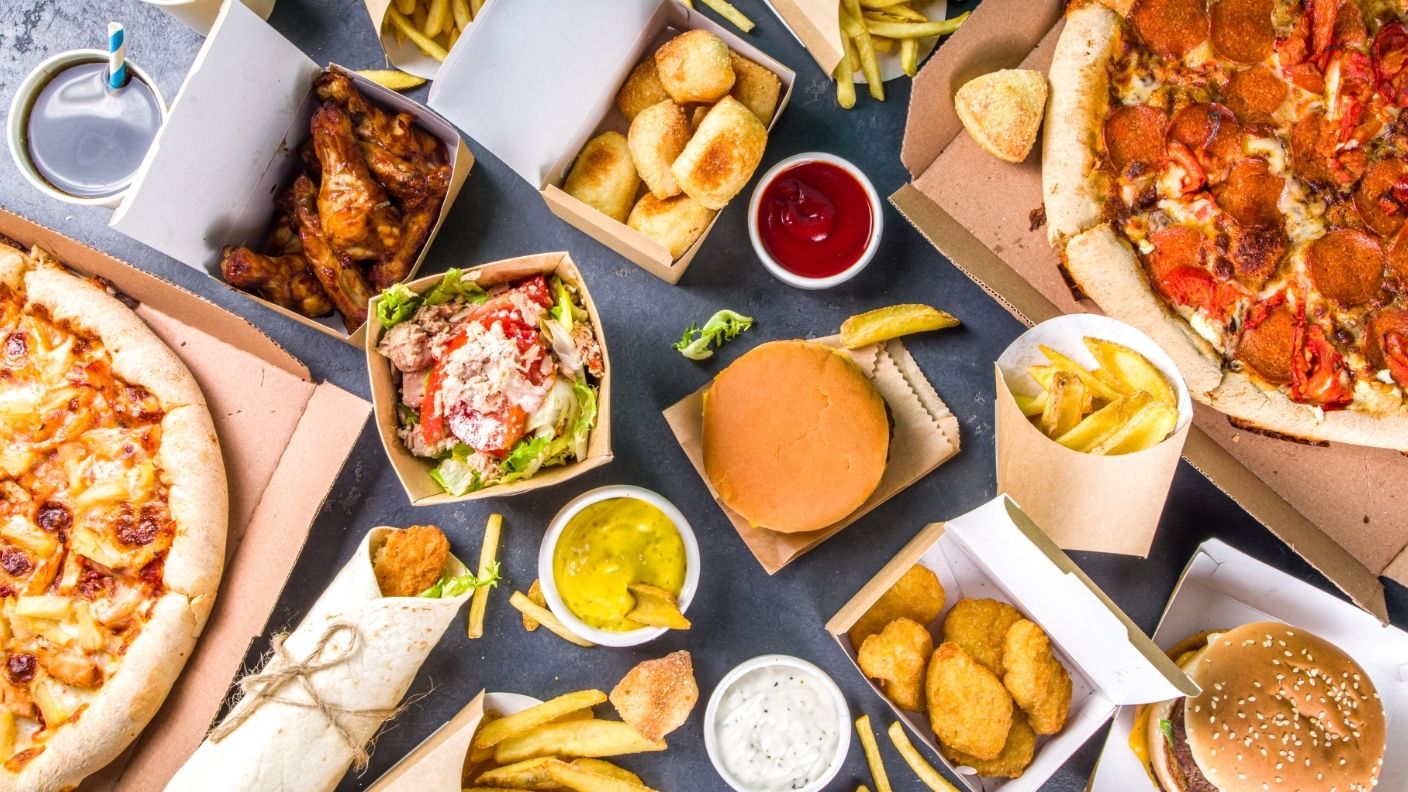

Cutting out fast food for a month sounds like an obvious health upgrade, and for the most part, the research backs that instinct up. What actually changes inside the body during that stretch is more specific and more interesting than just weight loss.
Researchers have studied fast food’s effects on the body extensively, from heart health to brain function, giving a fairly clear picture of what a 30 day break can realistically undo. Some of the effects show up within days, and others take longer to fully develop.
None of it requires eating perfectly the rest of the time. Here is what actually happens to the body over 30 days without fast food.
The Health Risks Fast Food Carries In The First Place
Eating fast food more than twice a week makes a person 1.5 times more likely to develop heart disease than someone who rarely or never eats it, according to a study published in Circulation and cited by Eat This, Not That. Regular fast food consumption has also been linked to a doubled risk of insulin resistance, according to research published in The Lancet.
The effects extend to the brain too, with researchers at Oregon Health and Science University finding that trans fats can actually shrink gray matter over time. Separate research published in Public Health Nutrition has linked higher fast food intake to a greater risk of depression as well.
Weight And Blood Sugar Often Move Fast
One of the more immediate, visible changes after cutting fast food is weight loss, largely because fast food meals tend to pack far more calories, sugar and fat into a similar portion size compared to food made at home, according to GymJunkies. That drop in weight alone can begin reversing early markers of heart disease and high cholesterol.
Blood sugar and insulin production also tend to stabilize once fast food gets removed from the routine. Increased energy and improved focus commonly follow, since the body is no longer working through the same repeated blood sugar spikes and crashes.
Even Taste Itself Can Change
Part of why fast food is so easy to overeat comes down to how efficiently the body absorbs it. A 2023 study comparing two groups eating identical calorie totals found that a highly processed, low fiber diet led to about 95 percent of calories being absorbed, compared to only 89 percent on a less processed, higher fiber diet, according to Built With Science.
“Dietary fiber absolutely helps with stool elimination frequency and ease of elimination,” nutrition researcher Layne Norton has explained, a small but real part of why more processed diets tend to net out to more usable calories overall. Separate research has also found that cutting hyperpalatable, processed foods can measurably shift how intensely a person perceives salty and sweet flavors afterward, according to a study published on PMC.
None of this means fast food needs to disappear from life permanently to see a benefit. Even a single focused month away from it appears to move the needle on real, measurable markers, from blood sugar to brain function to how food itself actually tastes afterward.
RELATED ARTICLE: The Fast Food Order That Matches Your Zodiac Sign
