


What Actually Happens to Your Muscles When You Skip the Protein Shake After a Workout

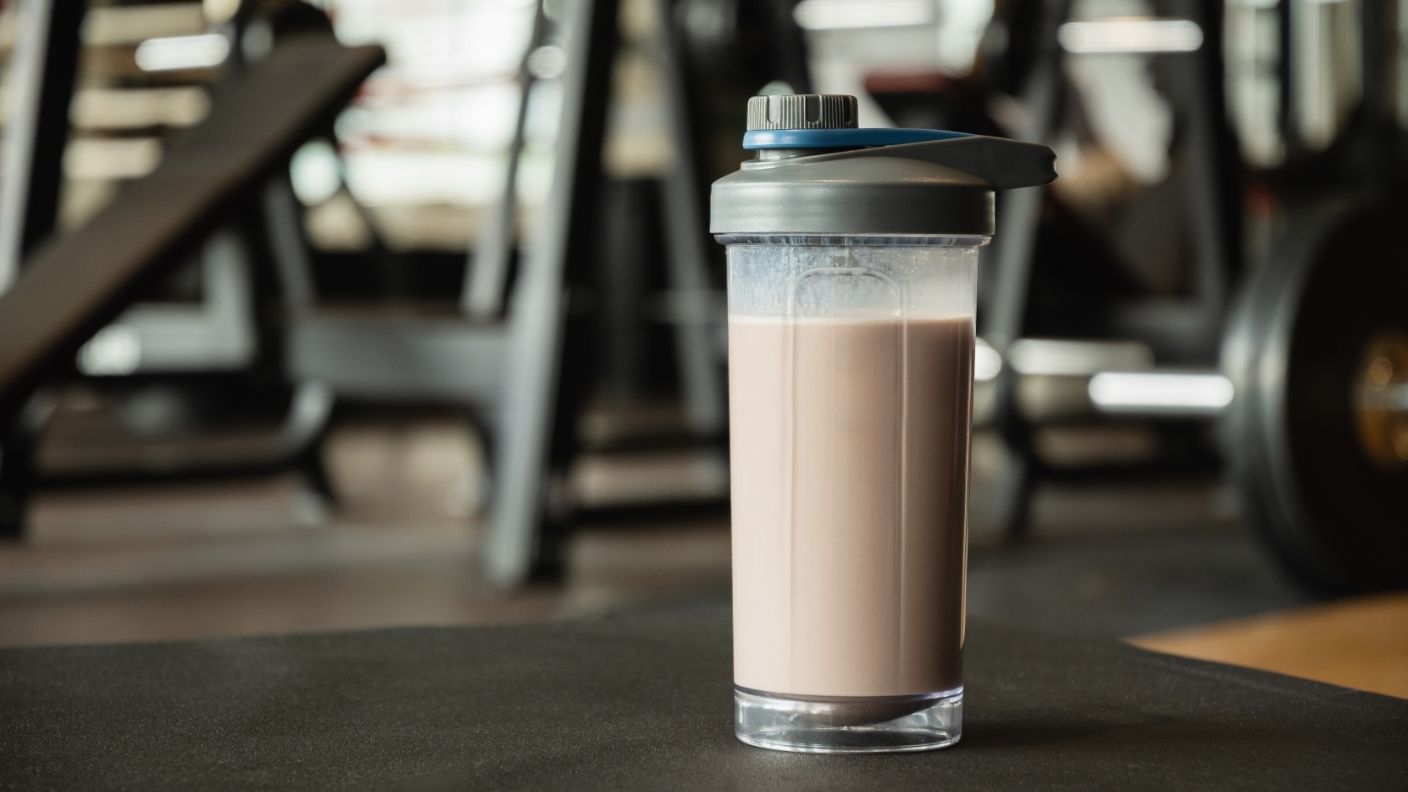

Walk through any gym locker room and you’ll spot the same ritual: a shaker bottle, a scoop of powder, and a race to drink it before the muscles supposedly start wasting away. For years, that post-workout shake has been treated as non-negotiable.
So what really happens when you forget it, run out of powder, or just don’t feel like chugging anything? The answer is more relaxed than the supplement aisle would have you believe, but there are a few situations where it does matter.
Your Muscles Are Already Breaking Down Slightly
Resistance training creates tiny amounts of stress in muscle fibers, and the body responds by ramping up two processes at once. Muscle protein synthesis builds new tissue, while muscle protein breakdown clears out the damaged bits.
Without food, breakdown can briefly outpace building. That sounds alarming, but it’s a normal, temporary part of training, and it doesn’t mean your hard-earned progress is disappearing from one missed shake.
The “Anabolic Window” Is Wider Than You Think
The idea that protein has to arrive within 30 minutes came from early research that’s since been rethought. Larger reviews found that when people ate the same amount of protein across the day, the precise timing after a workout made little difference to muscle gains.
Muscles also stay extra responsive to protein for a long stretch after training, often around a full day or more. Eating a protein-rich meal within a few hours covers most people just fine.
Daily Total Matters Far More Than One Shake
When researchers look at what actually drives muscle growth, the biggest factor is how much protein you eat over the whole day. Many sports nutrition experts point to roughly 1.6 grams per kilogram of body weight as the level where most of the benefit kicks in for people who lift regularly.
If you’re hitting that number through meals, skipping the shake changes very little. If you’re well under it, the shake was probably doing more heavy lifting than you realized, and that’s the gap worth fixing.
Your Pre-Workout Meal Changes the Picture
What you ate before training plays a big role in how much a post-workout shake matters. A meal with protein a couple of hours beforehand keeps amino acids circulating during and after the session.
Training on an empty stomach is a different story. After an overnight fast and a morning workout, the body has gone a long time without protein, so getting a solid meal or shake in fairly soon afterward makes more of a difference.
Real Food Works Just as Well
There’s nothing magic about powder. A shake is simply a convenient way to deliver protein, and a meal with eggs, Greek yogurt, chicken, fish, or tofu does the same job.
Whole foods also bring extras a shake might lack, like fiber, vitamins, and minerals. Many people find a proper meal more satisfying too, which makes it easier to avoid grazing later in the day.
How You Spread Protein Out Matters
Muscles seem to respond best when protein arrives in solid doses throughout the day rather than in one giant serving. Many experts suggest aiming for roughly 20 to 40 grams per meal, spread across three or four eating occasions.
That’s where a shake can earn its spot, as an easy way to round out a meal that came up short. Skip it after training, and you can simply make the next meal a little more protein-heavy instead.
Carbs Deserve Some Credit Too
Protein gets all the attention, but carbohydrates handle a separate job: refilling glycogen, the stored fuel muscles burn during exercise. After a long or intense session, those stores can run low.
For most casual gym-goers, normal meals refill glycogen without any special effort. Athletes who train twice a day or do long endurance sessions are the exception, since getting carbs back in quickly helps them perform well in the next workout.
Sleep Is Where Much of the Repair Happens
A lot of the rebuilding happens overnight, which is why some lifters eat a protein-rich snack before bed. Slow-digesting options like cottage cheese or Greek yogurt release amino acids gradually through the night.
Sleep itself matters just as much as what’s eaten beforehand. Skimping on rest can undercut recovery far more than skipping a shake, so a consistent bedtime is one of the most underrated muscle-building habits around.
RELATED ARTICLE: 7 Foods That Help Your Muscles Recover Faster After a Workout
