


Want Your Produce to Last Longer? These Storage Tricks Can Help

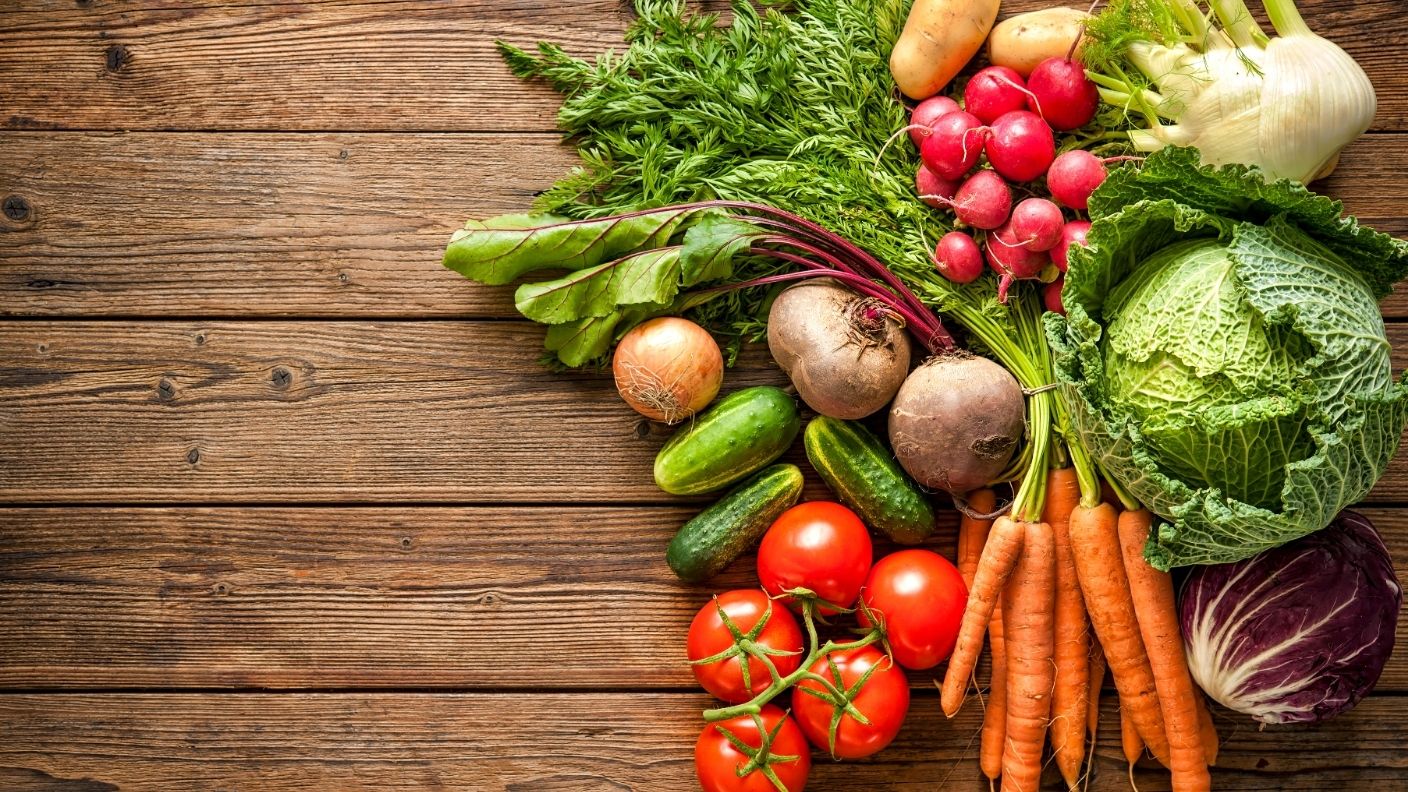

Half a bag of spinach turning slimy by the weekend or a bunch of bananas going brown overnight isn’t really bad luck. It usually comes down to where and how that produce got stored in the first place.
A few small adjustments to what goes where can stretch the life of most fruits and vegetables by days, sometimes longer.
Keep Apples and Bananas Away From Everything Else
Apples and bananas release a surprising amount of ethylene gas as they ripen, a natural compound that speeds up ripening in whatever sits nearby. Stored next to leafy greens or other fruit, they can quietly push everything around them toward spoiling faster.
Keeping them in a separate bowl or a different part of the kitchen isn’t just tidiness, it’s a real way to slow down the rest of the produce. A single overripe banana in the wrong spot can take down an entire bag of lettuce within a day or two.
Treat Fresh Herbs Like Cut Flowers
Herbs like cilantro, parsley, and mint tend to wilt fast when left loose in a plastic bag. Trimming the stems and standing them upright in a jar with an inch of water, the same way a bouquet gets treated, keeps them fresher for noticeably longer.
Loosely covering the leaves with a plastic bag and setting the jar in the fridge adds even more time. Basil is the one exception here, since it actually prefers room temperature rather than the cold of a refrigerator.
Hold Off on Washing Berries Until You’re Ready to Eat Them
Rinsing berries as soon as they get home feels like the responsible move, but the extra moisture left behind speeds up mold growth significantly. Berries stored dry, then washed right before eating, hold up far longer in the fridge.
A dry paper towel lining the container helps absorb any remaining humidity from the berries themselves. It’s a small step that can be the difference between a container lasting three days or a full week.
Wrap Celery in Foil Instead of Plastic
Celery kept in its original plastic bag tends to go limp within a matter of days, since the plastic traps moisture against the stalks. Switching to aluminum foil instead allows a small amount of airflow while still holding in enough humidity to keep it crisp.
This one small swap can stretch celery’s usable life from under a week to closer to a month in some cases. It’s a low-effort change that makes a noticeably bigger difference than it seems like it should.
Store Potatoes and Onions in Separate, Dark Places
Potatoes and onions are often kept together out of habit, but stored side by side, they actually speed up each other’s spoiling. Onions release gases that encourage potatoes to sprout faster than they would on their own.
Both do best in a cool, dark spot rather than the refrigerator, which can affect their texture and flavor over time. A pantry drawer or a paper bag in a cabinet works better than anywhere near direct light.
Line the Crisper Drawer With Paper Towels
Leafy greens and other high-moisture vegetables tend to sit in their own condensation inside a sealed crisper drawer, which speeds up wilting and rot. A layer of paper towels underneath absorbs that excess moisture before it becomes a problem.
Swapping the paper towels out every few days keeps the effect going rather than letting them get saturated and useless. It’s an easy habit to build into a regular grocery unpacking routine.
Keep Tomatoes on the Counter, Not in the Fridge
Refrigerating tomatoes might seem like the safer choice, but cold temperatures actually break down the compounds responsible for their flavor and texture. Left on the counter out of direct sunlight, tomatoes ripen more evenly and taste noticeably better.
Only fully ripe tomatoes that need to be eaten within a day or two benefit from a short trip to the fridge. Otherwise, counter storage wins out both for taste and for how long they stay usable.
Store Mushrooms in a Paper Bag
Mushrooms packaged in plastic tend to sweat and turn slimy within a few days, since the plastic traps moisture against their porous surface. A paper bag allows them to breathe while still protecting them from drying out completely.
This works whether the mushrooms come pre-packaged or loose from a bulk bin. It’s one of the simplest swaps on this list, just a different bag doing a noticeably better job.
Stand Asparagus Upright in Water
Asparagus dries out and toughens quickly when left loose in the crisper drawer. Trimming a small piece off the bottom of the stalks and standing them upright in a shallow container of water, much like flowers in a vase, keeps them hydrated and crisp for days longer.
Loosely covering the tops with a plastic bag before refrigerating adds an extra layer of protection against wilting. It takes up a bit more fridge space than a bag would, but the difference in freshness makes it worth the trade-off.
RELATED ARTICLE: Why You Should Stop Keeping Your Milk in the Fridge Door
