


Want to Lose Belly Fat but Don’t Know Where to Start? This Simple Kitchen Habit May Help

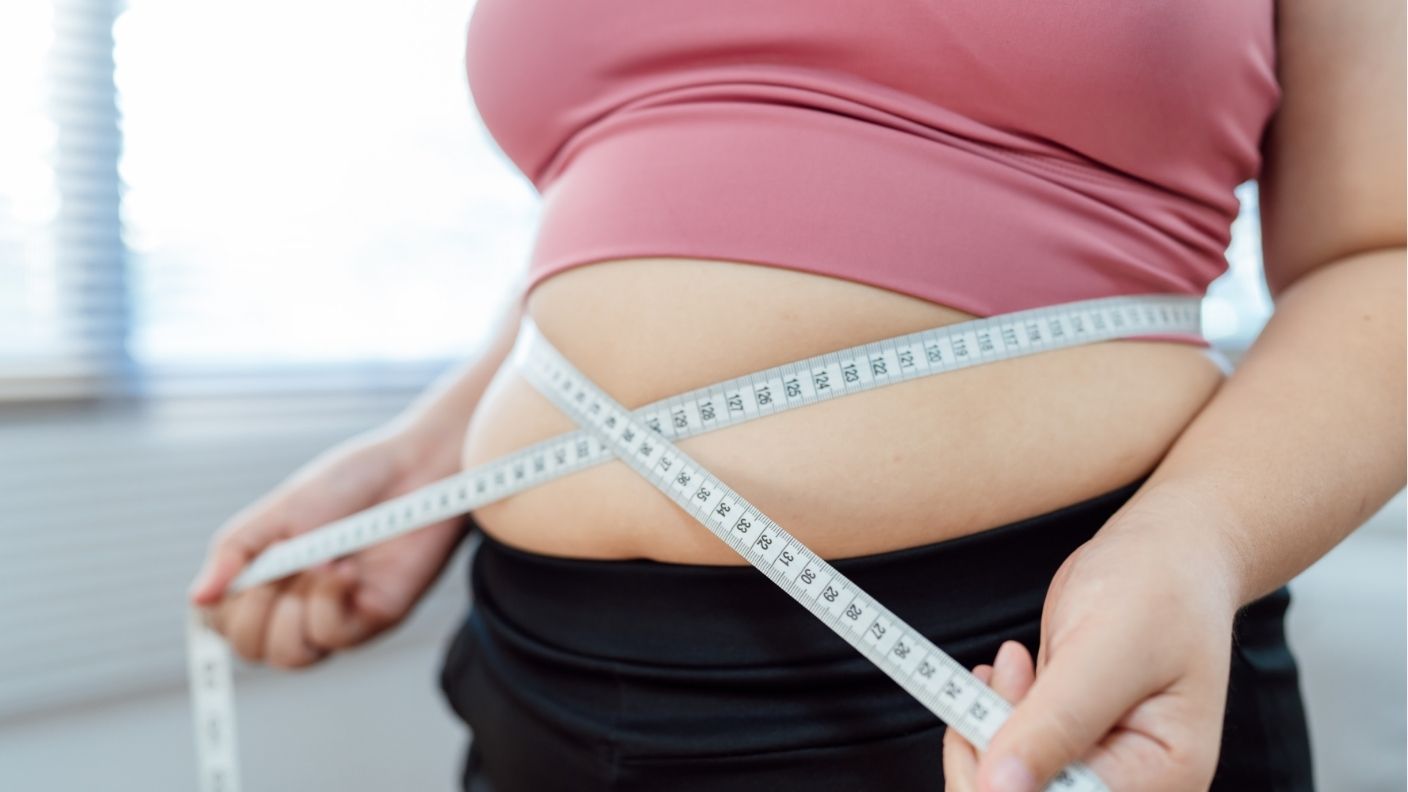

Belly fat specifically tends to feel like the hardest kind of weight to shift, and most advice on how to lose it sounds like an overwhelming full lifestyle overhaul. Diet changes, hours of cardio, cutting out entire food groups, the list can feel endless before anyone even starts.
Researchers have actually traced a meaningful part of the difference down to one specific, simple kitchen habit. Keep reading to see what it is and why it matters so much.
Not All Belly Fat Works The Same Way
Not all belly fat carries the same health risk, which is part of why it can be confusing to know what actually matters. Visceral fat, the fat that sits deep around internal organs, is far more strongly linked to diabetes and heart disease than the fat sitting just under the skin.
That distinction matters because the two types of fat do not always respond to the exact same habits. Understanding which one actually drives most of the health risk is the first step toward knowing where to focus.
One Study Found A Direct Connection
Researchers at Wake Forest Baptist Medical Center tracked over a thousand adults over five years, using CT scans to precisely measure how their visceral fat changed over time. They found that every ten gram increase in daily soluble fiber intake was linked to a 3.7 percent reduction in visceral fat accumulation.
Notably, that same connection did not show up for the fat just under the skin, only for the deeper, more dangerous visceral fat specifically. That kind of precise, scan based measurement makes the finding considerably more convincing than most general diet advice.
The Reason Comes Down To How This Fiber Behaves
The reason soluble fiber specifically makes this difference comes down to how it physically behaves in the body. It absorbs water and forms a gel like substance that slows digestion, helping people feel fuller for longer and naturally eat less over the course of a day.
That same fiber also feeds beneficial bacteria in the gut, a connection researchers increasingly tie to better metabolic health overall. Slower digestion and steadier blood sugar both work directly against the mechanisms that tend to drive visceral fat storage in the first place.
Getting There Does Not Take Much
Reaching a meaningful amount of soluble fiber does not require a dramatic overhaul of an existing diet. A cup of black beans provides roughly five grams, a pear adds about two more, and a half cup of oats contributes another two, putting a ten gram daily target well within reach through a few ordinary meals.
Vegetables, fruit, oats and legumes are the most reliable sources, all common enough to work into breakfast, lunch or a simple snack. That kind of small, consistent addition is a realistic place to start rather than an intimidating full plan.
So if belly fat has felt like an impossible place to even begin, working a few more servings of beans, oats or fruit into the week is a genuinely evidence backed place to start. Sometimes the simplest kitchen habit really does move the needle on the fat that matters most.
RELATED ARTICLE: Why 80% of Women Are Struggling to Lose Weight Because of One Missing Mineral
