


Trying to Eat More Protein? This Everyday Food May Have the Solution You Need

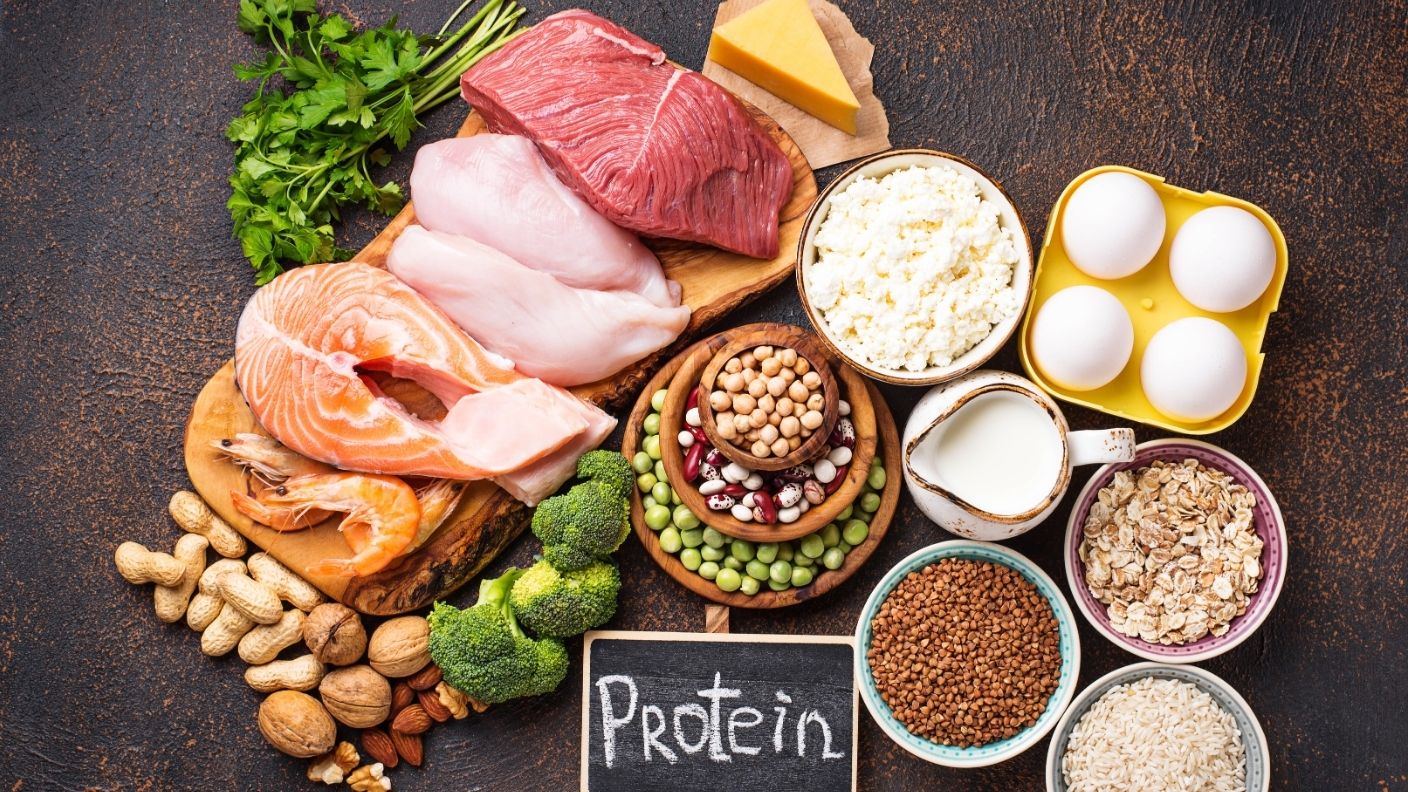

Trying to hit a daily protein goal usually points people toward chicken breast, protein powder or expensive cuts of meat. Dietitians keep pointing to a much cheaper option that has been sitting in most pantries the entire time.
It requires no cooking, lasts for months on a shelf, and delivers a real amount of protein in every can. Keep reading to see what it is and what to actually watch out for.
One Small Can Delivers A Serious Amount Of Protein
The food in question is canned tuna, and the protein numbers hold up well against pricier options. A three ounce can delivers around sixteen grams of protein, while a larger five ounce can provides closer to twenty grams, according to figures from a leading tuna brand.
That puts a single can roughly on par with a cup of legumes or an ounce of beef, all for a fraction of the price and prep time. It requires no cooking at all, making it one of the fastest ways to add real protein to a meal.
Most People Are Not Getting Enough Seafood Anyway
Most people could stand to eat more of it in the first place. According to the CDC, only about one in four American adults eats the recommended two servings of seafood per week, leaving a fairly wide nutritional gap.
Canned tuna offers one of the simplest ways to close that gap, since it requires none of the prep or expense that usually comes with fresh fish. Tossed into a salad, a sandwich or a quick pasta dish, it turns seafood into something realistic for a busy weeknight.
It Comes With Real Nutritional Extras Too
Beyond protein, canned tuna brings along a few nutritional extras that most everyday proteins do not offer. Registered dietitians have pointed to its omega-3 fatty acids and selenium content, along with vitamin D and B12, nutrients tied to heart and brain health.
That combination is part of why dietitians tend to recommend it so consistently, rather than treating it as just a cheap source of protein. Few pantry staples pack that much nutritional value into something that costs so little and requires zero cooking.
There Is One Real Caveat Worth Knowing
Despite all of that, canned tuna is not something dietitians recommend eating completely without limits. Mercury can build up gradually with regular consumption, which is why most experts suggest sticking to a couple of servings a week rather than eating it daily.
Choosing light or skipjack tuna over albacore helps reduce that risk further, since albacore tends to carry higher mercury levels. That one simple adjustment keeps the benefits intact while avoiding the main downside tied to overdoing it.
So if hitting a protein goal has felt harder than it should, a few cans of tuna kept in the pantry might be worth the shelf space. Sometimes the easiest solution to a nutrition gap was already sitting in the cabinet the whole time.
RELATED ARTICLE: Women Over 50 Are Rethinking Protein and the Reason Isn’t Weight Loss
