


Trying to Eat Less Meat? These 8 Foods Can Make the Switch Easier


Cutting back on meat usually fails for a predictable reason: the meal that replaces it just doesn’t feel as satisfying. A pile of steamed vegetables next to rice isn’t a real substitute for the texture and heartiness meat brings to a plate.
The foods that actually make this transition work aren’t the ones with the highest protein counts on a nutrition label. They’re the ones that come closest to replicating what meat was doing on the plate in the first place.
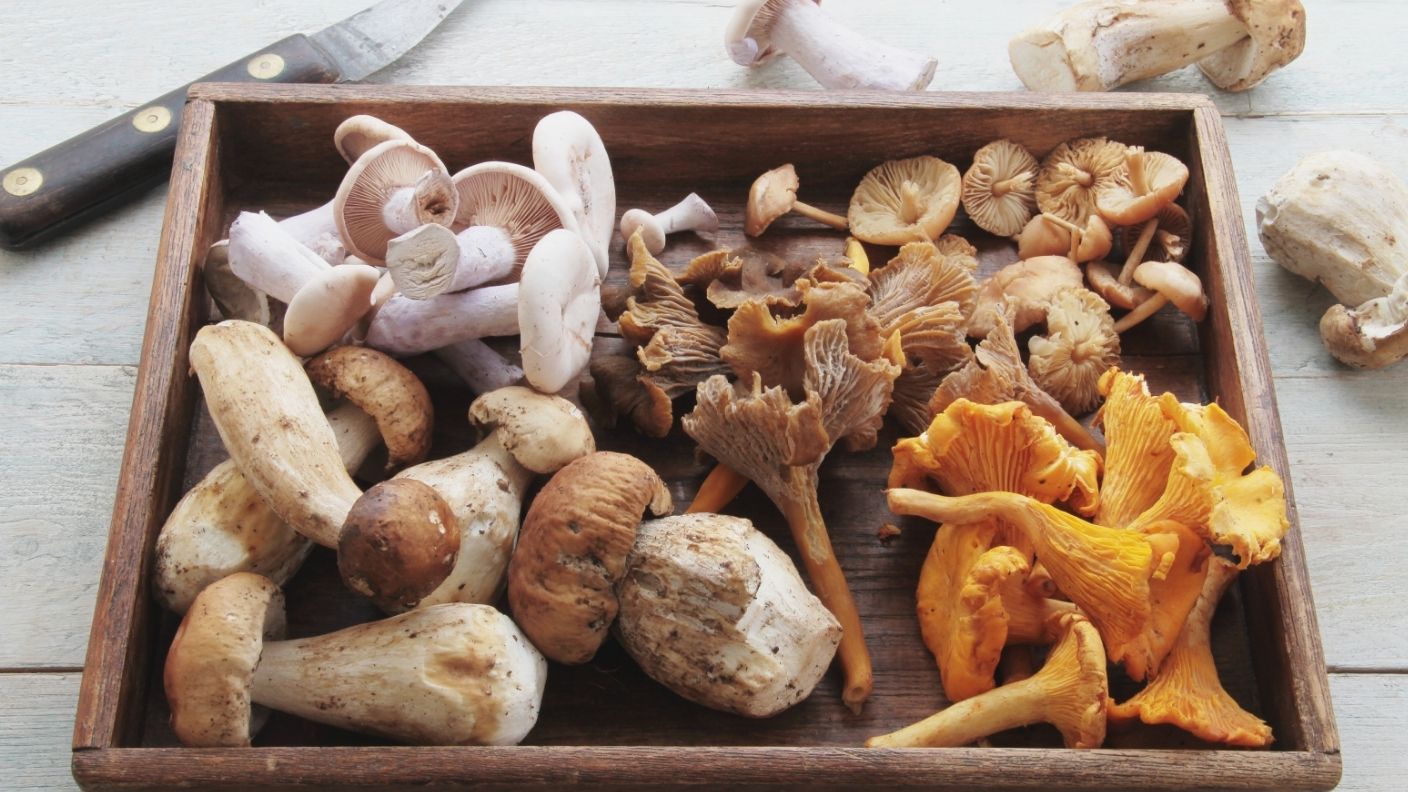
Mushrooms Bring the Savory Depth Meat Usually Provides
Mushrooms contain naturally occurring glutamates, the same compounds responsible for the deep, savory taste in a good steak or slow-cooked stew. Cooked down properly, especially browned in a hot pan rather than steamed, they develop a meaty richness that few other vegetables come close to.
Chopped finely and mixed into ground beef, mushrooms can replace a portion of the meat in burgers, tacos, or meatloaf without anyone noticing much of a difference in flavor. That blending approach works especially well for easing into smaller portions of meat rather than cutting it out all at once.
Lentils Hold Up Like Ground Meat in Sauces and Fillings
Cooked lentils break down into a texture that’s genuinely close to ground meat once they’re simmered into a sauce or taco filling, which is part of why they show up so often in meatless bolognese and chili recipes. They also hold their shape well enough in a pan that they don’t turn to mush the way some legumes do.
Unlike a lot of meat substitutes, lentils cook quickly and need no soaking, which makes them an easy weeknight swap rather than a project that requires planning ahead. A cup of cooked lentils in place of half the usual ground beef in a recipe is often enough that the dish barely changes.
Chickpeas Go From Crispy to Creamy Depending on How They’re Cooked
Few foods are as flexible as chickpeas when it comes to standing in for meat. Roasted until crisp, they work as a crunchy topping in place of bacon bits or fried meat toppings; blended or mashed, they turn into a base for patties that hold together surprisingly well on a grill or in a pan.
That range matters for anyone easing off meat rather than cutting it entirely, since chickpeas can fill in for very different textures depending on the meal. A roasted chickpea has almost nothing in common texturally with a mashed chickpea patty, which keeps meals from feeling repetitive.
Tofu Takes On Whatever Flavor It’s Given
Plain tofu doesn’t taste like much on its own, and that’s exactly what makes it useful. Pressed to remove excess moisture and then marinated, it absorbs soy sauce, garlic, or spice blends far more readily than meat does, which makes it easier to recreate the flavor of a dish even after the meat is gone.
Texture depends almost entirely on how it’s prepared: cubed and pan-fried until crisp on the outside, it works in stir-fries; blended smooth, it can thicken sauces or fillings. That range makes tofu useful across far more meals than its bland reputation suggests.
Tempeh Has a Chew That Tofu Doesn’t
Made from fermented, whole soybeans pressed into a firm block, tempeh has a noticeably denser, chewier texture than tofu, closer to what a piece of meat actually feels like between the teeth. Its slightly nutty flavor also holds up better against bold marinades and sauces without disappearing.
That fermentation process gives tempeh a texture that crumbles and sears in a way tofu simply can’t replicate, which makes it a stronger option for dishes built around ground meat, like crumbled taco filling or a stir-fry that needs some bite. Slicing it thin and pan-searing it also creates a crust similar to what a seared cutlet would develop.
Jackfruit Shreds Like Slow-Cooked Meat
Young, unripe jackfruit has almost no flavor of its own, but its stringy, fibrous texture happens to look and pull apart almost exactly like slow-cooked pulled pork or shredded chicken. Once it’s simmered in barbecue sauce or a similar seasoned liquid, that resemblance becomes even more convincing.
It’s a particularly useful entry point for dishes that are usually built entirely around shredded meat, since jackfruit fills that specific texture gap in a way beans or tofu don’t. A jackfruit sandwich piled with barbecue sauce and slaw ends up feeling closer to the real thing than most people expect.
Beans Add Bulk and Protein Without Much Effort
Black beans, kidney beans, and pinto beans all bring a dense, filling quality to a dish that thin vegetables alone can’t replicate, which is a big part of why chili and burrito fillings work fine with far less meat than a recipe originally calls for. Their protein and fiber content also help keep meals satisfying in the same way meat normally would.
Canned beans require almost no prep work, which removes one of the biggest obstacles to actually making the swap on a regular basis. Draining and rinsing a can takes seconds, compared to the planning that dried beans or more involved substitutes sometimes require.
Walnuts Mimic Ground Meat’s Texture When Chopped Fine
Pulsed in a food processor until finely chopped, walnuts take on a crumbly texture that looks remarkably close to cooked ground meat, which is why they show up so often in meatless taco filling recipes. Their natural fat content also helps them brown slightly when cooked, adding to that resemblance.
Beyond texture, walnuts bring a subtle richness that plain vegetables don’t offer, which helps a meatless filling feel less like a compromise. Mixed with taco seasoning and briefly cooked in a pan, they pick up flavor almost as readily as ground beef would.
RELATED ARTICLE: 7 Foods That Are Packed With More Protein Than You Might Expect
